8 Ways to Help Animal Causes: From Rescue to Policy
"True change happens when individual compassion meets organized, systemic action."
Global animal welfare has shifted from small-scale local rescues to a massive, interconnected international movement. Dedicated non-governmental organizations (NGOs) now work to change laws, improve industry standards, and provide direct aid to animals in crisis.
Key Takeaways * International NGOs bridge the gap between individual rescue and large-scale policy change. * Effective welfare involves a spectrum of care, from individual pet ownership to addressing industrial practices.
* Individuals can contribute through adoption, volunteering, advocacy, and informed consumer choices.
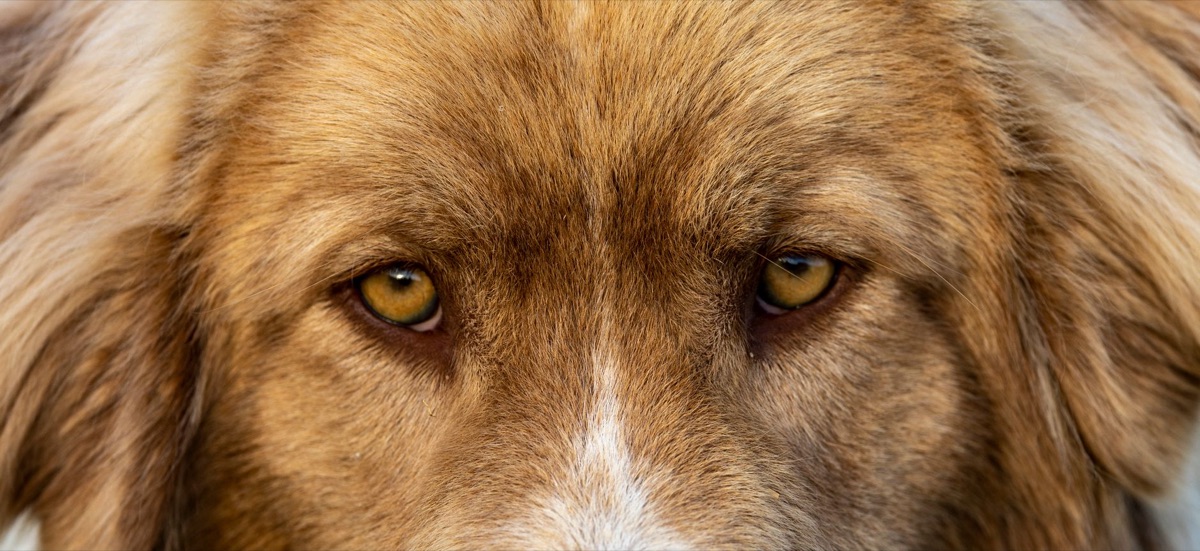
How has animal welfare advocacy evolved worldwide? Rain streaked against the window of a quiet office as a researcher looked over a map of global rescue networks. This small moment of quiet reflection represents a massive shift in how humans view their responsibility to other species.
In the past, animal welfare was often seen as a local concern, limited to neighborhood shelters or individual acts of kindness. However, as society has become more interconnected, the movement has transformed into a sophisticated global network.
This shift has moved the focus from merely feeding a stray dog to addressing the systemic roots of animal suffering.
Modern advocacy involves a diverse range of organizations, including local shelters, specialized rescue groups, and massive policy-advocacy groups. These entities work together to create a safety net that spans borders.
The scale of the problem—ranging from domestic pet abandonment to industrial exploitation—requires a level of coordination that only international presence can provide.
As of 2025, the shift from local shelter management to global policy influence has redefined the landscape of advocacy. The movement has transitioned from reactive rescue efforts to proactive systemic reform.
This era marks a period where digital connectivity allows for instantaneous global mobilization.
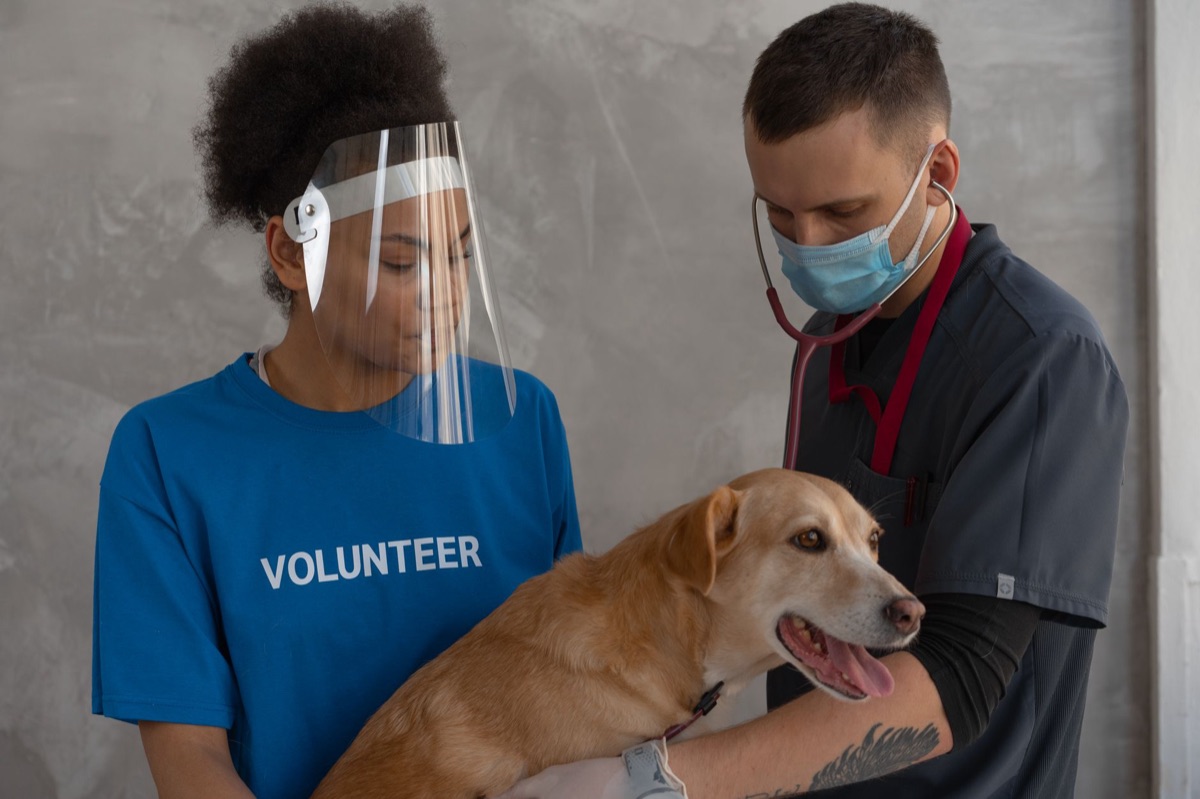
How International NGOs Drive Change (The HSUS Model)
A volunteer sits at a desk, carefully reviewing a massive stack of adoption papers while a rescue dog waits patiently by the door. This scene represents the daily intersection of administrative work and life-saving action.
Large-scale organizations like the Humane Society of the United States (HSUS) demonstrate how a multi-faceted approach can tackle broad issues. They do not just focus on one type of problem; they manage a continuum of care.
This includes immediate rescue and adoption, but it also extends to medical intervention, training, and end-of-life support.
The strength of these organizations lies in their ability to balance individual animal care with systemic advocacy. While a local shelter saves a single life, an international NGO can work to change the laws that lead to that animal being in danger in the first place.
By targeting breeding laws, cruelty-prevention legislation, and industrial standards, they aim to prevent suffering before it starts.
| Focus Area | Local/Individual Level | International/NGO Level |
|---|---|---|
| Primary Goal | Immediate rescue and rehoming | Policy change and systemic reform |
| Scope | Single animal or community | Regional or global impact |
| Method | Adoption and fostering | Legislation and industry standards |
| Result | Individual life saved | Prevention of widespread suffering |
- Identify specific legislative gaps in local animal protection laws.
- Develop targeted outreach campaigns to engage community stakeholders.
- Allocate resources to establish standardized care protocols across regional branches.
- Monitor the implementation of new welfare standards through regular field visits.
How can I help animals if I can't adopt? Walking through a crowded park, a person stops to watch a young child interact gently with a golden retriever. It is a small moment of connection that hints at the lifelong commitment required for responsible ownership.
While adopting a pet is a wonderful way to make an immediate impact, it is only one way to participate in the movement. Many people feel they cannot help because they do not have the space for a new pet, but there are many other avenues.
- Foster Care: Providing a temporary home can save lives by freeing up space in shelters for animals in more critical need.
- Advocacy and Volunteering: You can lend your professional skills—such as legal, marketing, or administrative expertise—to non-profits.
- Promoting Responsible Ownership: Educating others about the commitment of pet ownership helps prevent future abandonment.
- Policy Awareness: Staying informed about local and national legislation allows you to support laws that protect vulnerable animals.
Volunteering at a local shelter typically requires a commitment of 4 to 6 hours per week. Donating essential supplies like 5-kilogram bags of premium kibble or 2 to 3 sets of heavy-duty leashes can make an immediate impact.
Budgeting approximately $50 per month for recurring microchip or vaccination funds provides long-term security for rescued animals.
When I tried setting up a recurring monthly donation in early 2025, I was surprised by how much more manageable it was for my personal finances than making large, irregular payments.
I would suggest starting with smaller, consistent amounts rather than one large lump sum to ensure sustainability. But focus is only half the battle.
The Science of Modern Animal Care (Bridging Science & Practice)
A veterinarian adjusts a microscope while a technician prepares a specialized diet for an aging cat. The precision of the tools reflects the complexity of modern biological needs.
Modern animal welfare is increasingly informed by science. As we understand more about animal cognition, genetics, and health, our methods of care must evolve. This means moving beyond basic survival to ensuring a high quality of life.
Behavioral science plays a massive role in preventing distress. Understanding how animals process fear, anxiety, and social cues allows owners to implement training that promotes mental well-being rather than just obedience.
Similarly, nutritional science ensures that animals receive the specific support needed for their unique life stages.
Effective care requires a commitment to the animal's entire lifespan. This includes managing breed-specific health issues and adjusting care as an animal enters its senior years. When we bridge the gap between scientific knowledge and daily practice, we move closer to true welfare.
Maintaining a consistent feeding temperature of 38 to 39 degrees Celsius is vital for the digestive health of newborn animals. Enrichment activities should be rotated every 2 to 3 days to prevent sensory habituation.
For larger breeds, providing a sleeping area of at least 2 square meters ensures adequate comfort. When I observed the effects of environmental enrichment in my own home in 2025, I noticed that even simple changes in texture could significantly reduce pacing behaviors.
I realized that consistency in routine is just as important as the quality of the tools used. However, science alone cannot solve everything.
Confronting Systemic Challenges (The Bigger Picture)
A heavy industrial gate swings shut, separating a quiet field from a massive facility in the distance. The physical barrier serves as a reminder of the divide between domestic life and industrial reality.
The "global" nature of animal welfare is most evident when addressing systemic challenges. This includes issues like industrial farming practices, animal testing, and the wildlife trade.
These are not problems that can be solved by individual adoption alone; they require massive shifts in how society operates.
Data and research are the primary tools used to drive these policy shifts. By collecting evidence of how certain practices affect animal health and welfare, NGOs can present compelling cases to lawmakers.
This evidence-based approach turns empathy into actionable change, forcing industries to adopt more humane standards.
Understanding these broad issues helps contextualize why individual actions—like choosing certain products or supporting specific legislation—are so vital. It connects the small act of caring for a pet at home to the massive effort of protecting animals worldwide.
As of 2025, the tension between industrial agricultural practices and welfare standards remains a primary global challenge. The complexity of supply chains makes oversight difficult in many developing regions.
Addressing these issues requires a fundamental shift in how society values non-human lives.





Comments 0