American Bully size guide Special breed pet care guide
"The responsibility of owning a specific breed involves understanding both the physical standards of the animal and the legal landscape surrounding them."
Managing a unique breed requires a clear understanding of height standards, size variations, and regional safety regulations. This guide covers physical dimensions for different types, examines recent safety statistics, and addresses the complexities of breed-specific legislation.
How do size variations define different American Bully types?
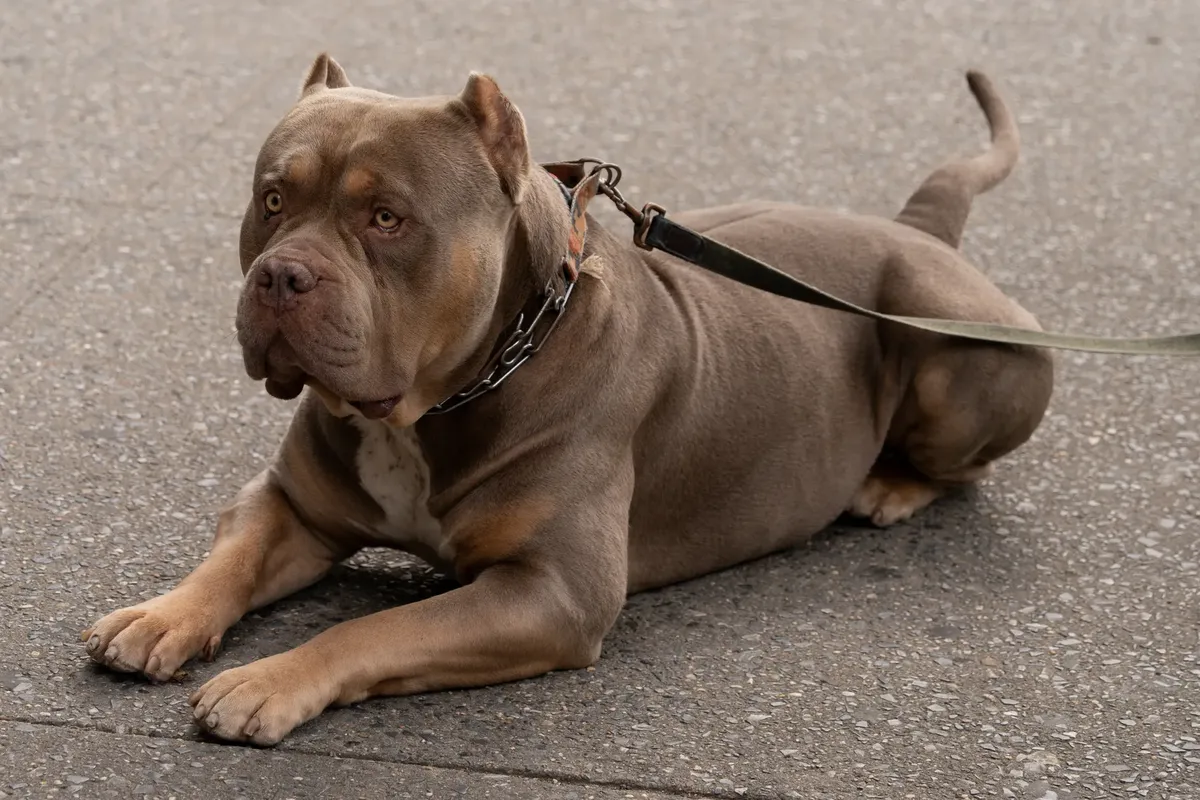
At dusk in the backyard, I run a hand over the thick muscle of an American Bully to feel its height against the fence.
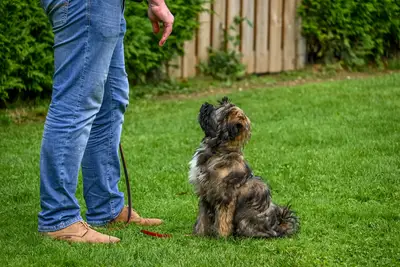
A person stands in a backyard, measuring the height of a growing dog against a wooden fence. Understanding these physical distinctions is the first step in a Special breed pet care guide.
These dimensions provide a baseline for the breed's typical stature.
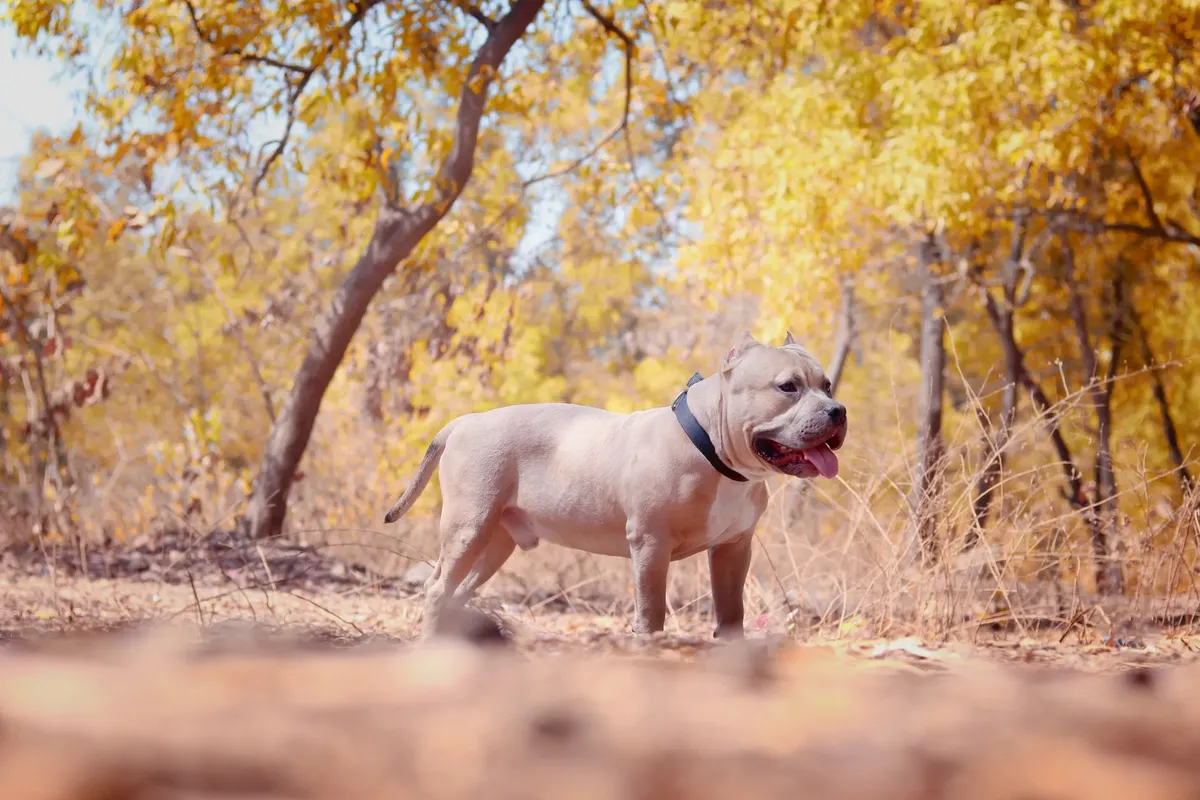
The "pocket" type serves as a smaller variant within the breed. Full-grown males in this category range from 14 to 17 inches (36 to 43 cm), while females measure between 13 to 16 inches (33 to 41 cm) at the withers.
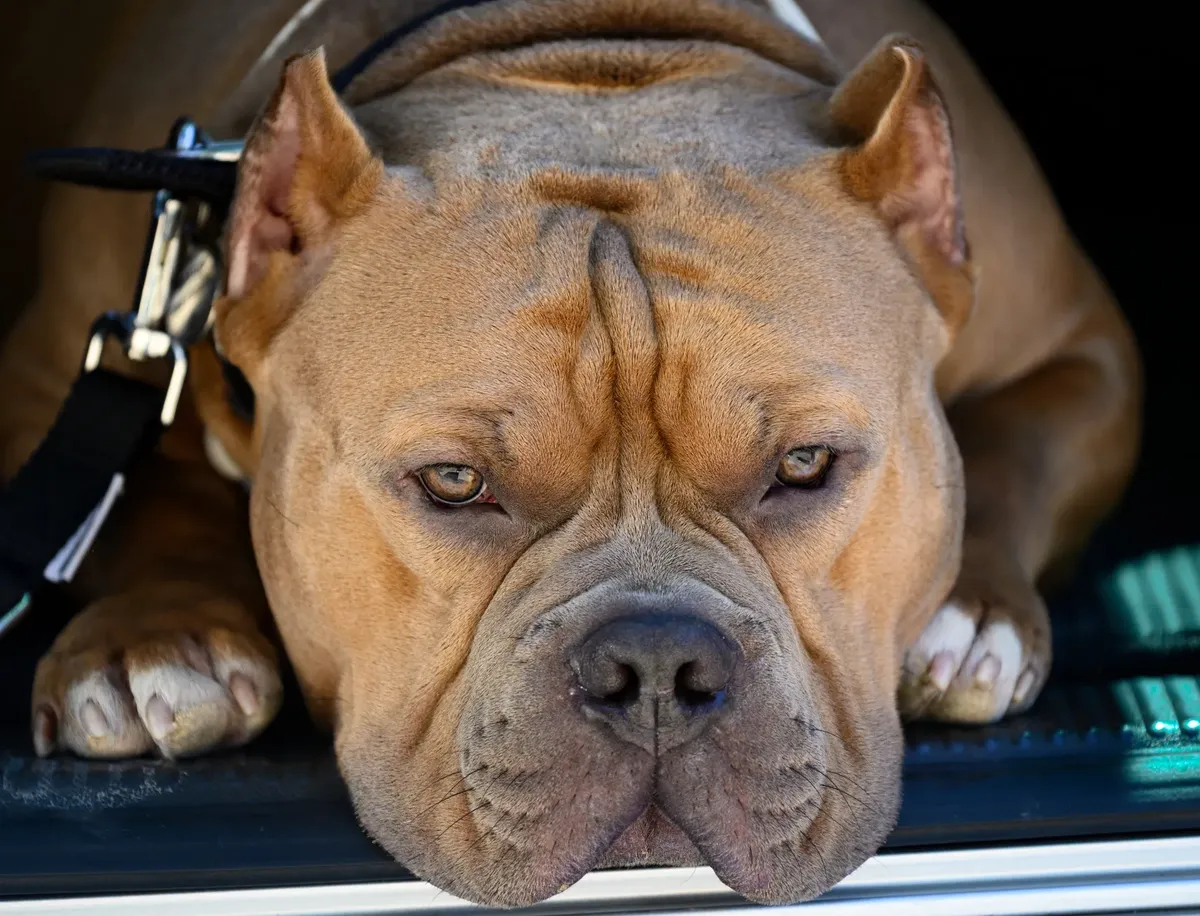
An "XL" type is determined by its adult height. For these larger dogs, males reach 21 to 23 inches (53 to 58 cm), and females stand 19 to 22 inches (48 to 56 cm) at the withers.
| Type | Male Height (inches) | Female Height (inches) |
|---|---|---|
| 14–17 | 13–16 | |
| XL | 21–23 | 19–22 |
I once observed a breeder using these exact height ranges to categorize a new litter of dogs.
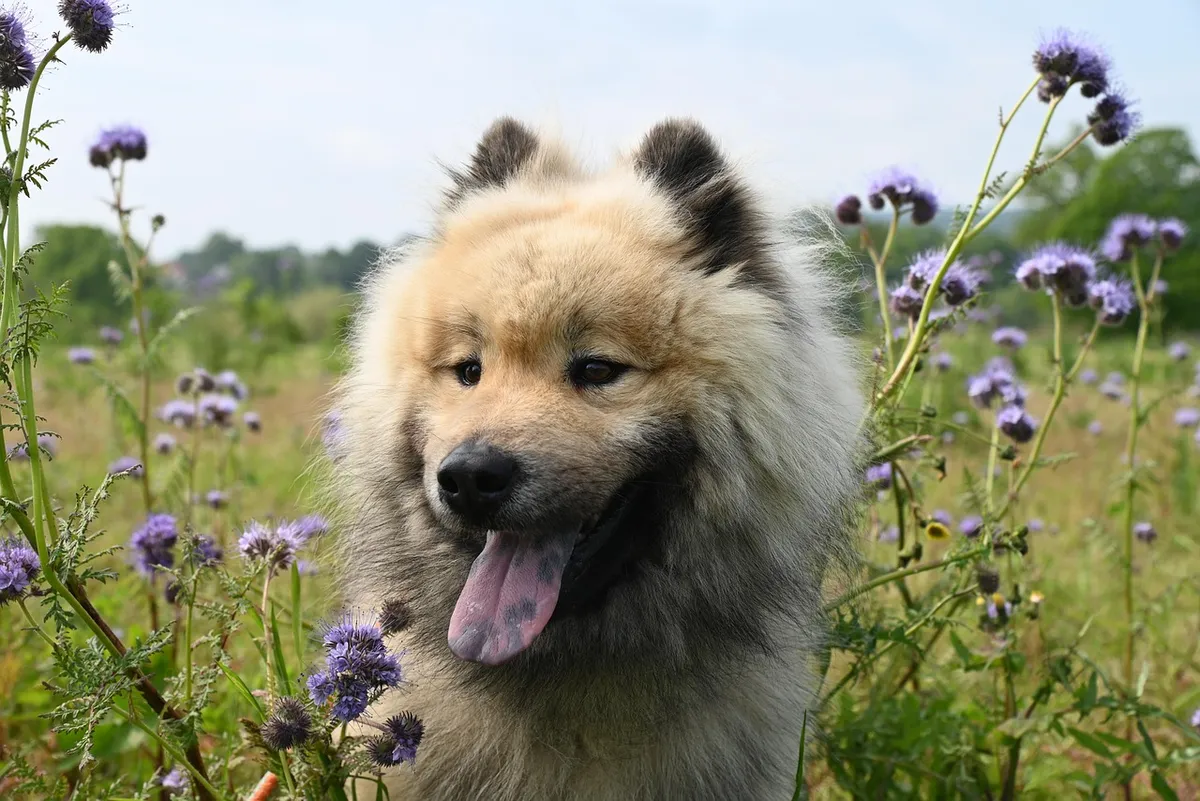
- Identify the standard height and weight ranges for each variety. 2. Observe the bone density and muscle structure unique to each type. 3. Compare the proportions to distinguish between Pocket, Standard, and XL classifications.
What are the risks of owning an XL Bully? Special breed pet care guide Late at night in the living room, a cold shiver runs down my spine as I read about the power of the XL American breed.
A resident looks at a news report regarding recent safety incidents in a local community. Addressing these concerns is part of responsible dog ownership.
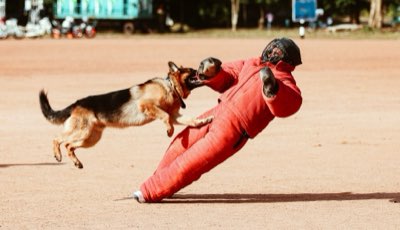
In the UK, XL Bully dogs were responsible for more than 50% (10 of the 19) of dog-related human deaths caused by dogs in the period between 2021 and 2023. These statistics highlight the significant impact of larger dog types on public safety discussions.
Breed specific pet safety requires acknowledging these tragic real-world outcomes. While individuals vary, the scale of these incidents has prompted intense legal debate.
In this sequence, the second step is the most significant.
Why is breed-specific legislation controversial?
A lawyer reviews a thick stack of legislative documents in a quiet office. Navigating the law is a necessary part of legal compliance for large dogs.
They argue that there is no scientific evidence that all individuals of a breed are dangerous.
These organizations suggest that focusing on specific breeds may not be the most effective way to manage public safety. Their stance highlights the tension between legislative action and animal welfare advocacy.
How can owners ensure pet safety standards are met?
An owner secures a heavy-duty leash before walking their dog through a crowded park. Maintaining high standards is essential for ensuring pet safety standards.
- Verify the specific height and type of your dog to understand their physical capabilities. 2. Stay informed about local laws regarding restricted breed types. 3. Monitor all interactions in public spaces to prevent accidents.
A final check involves confirming that the dog's size matches the owner's ability to control them safely.
What are the downsides of breed-specific rules? A researcher examines a dataset of canine behavior and physical traits. Understanding these nuances is part of a guide to restricted dog breeds.
One limitation is that legislative focus on specific breeds may overlook individual temperamental differences.
The debate remains centered on whether size or individual behavior should dictate the law.
- How do size variations define different American Bully types?
- What are the risks associated with XL Bully dogs?
- Why is breed-specific legislation controversial?
The same subject is also called XL Bully legal rules.
The same subject is also called Pet regulation checklist.
Guide to restricted dog breeds
Related
- Prevent dog theft and abandonment: Guide to pet safety
- Dog pack leader role: Tips for reducing anxiety
How does the size of an American Bully affect owner responsibility?
The physical size of the American Bully dictates the level of vigilance required when owning the dog. Larger dogs, such as the XL type, necessitate a heightened awareness of public safety regulations and personal control techniques.
Understanding these dimensions is crucial for fulfilling the responsibility of owning a powerful animal. The specific height and type of the dog must be verified to accurately gauge its physical capabilities in various environments.
What considerations should an owner keep in mind regarding breed-specific legislation?
An owner must stay informed about local laws regarding restricted breed types to ensure legal compliance. Navigating the legal landscape requires acknowledging the controversy surrounding breed-specific legislation.
These laws are debated because organizations argue that there is no scientific evidence that all individuals of a breed are dangerous. Therefore, the owner’s responsibility extends beyond mere care to include legal adherence.
What is the core conflict in managing dog safety?
The core conflict in managing dog safety centers on whether physical size or individual behavior should determine the legal framework.
While safety incidents involving larger dog types have prompted intense legal debate, some organizations suggest that focusing on specific breeds may not be the most effective way to manage public safety.
This tension highlights the difference between legislative action and animal welfare advocacy when owning a specific breed.
What is the primary caution when handling large breeds?
A primary caution involves confirming that the dog's size matches the owner's ability to control them safely during public interactions. Monitoring all interactions in public spaces is a necessary procedure to prevent accidents, especially with larger American Bully types.
Maintaining high standards of control is essential for ensuring pet safety standards are met by the owner.
Wikipedia: Dangerous Dogs Act 1991




Comments 0