Dog pack leader role: Tips for reducing anxiety
Preventing separation anxiety requires the owner to establish themselves as a stable pack leader through consistent boundaries and structured socialization. By understanding that dogs are inherently social animals, owners can provide the psychological security necessary to reduce distress during absences.
Key takeaways: * Establish a clear leadership role to provide emotional stability. * Implement structured routine and socialization to build confidence. * Focus on gradual independence training to prevent anxiety.
How to establish effective pack leadership?
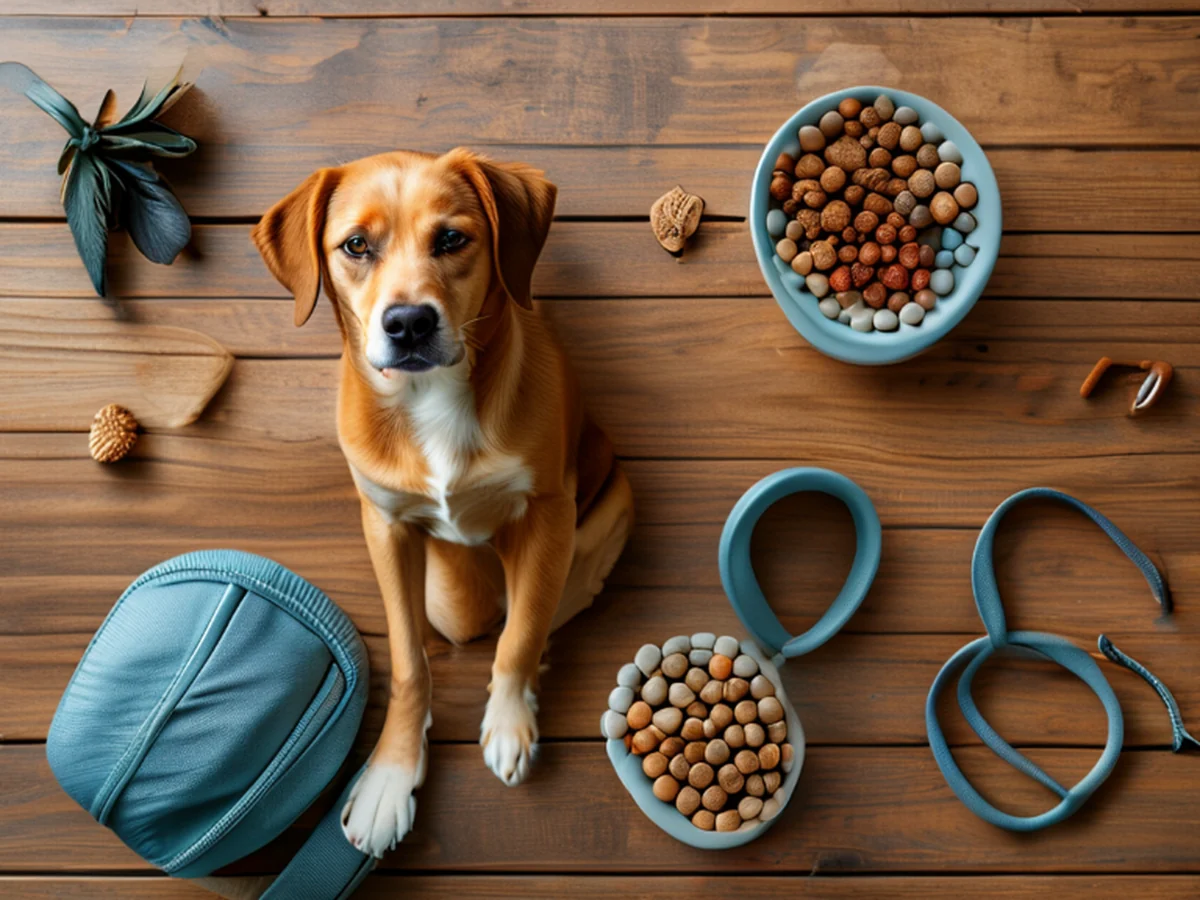
A dog looks to its owner for direction and security when the environment feels unpredictable. Walking through a busy park with a leash in hand, the owner must maintain a calm, assertive presence to signal that the situation is under control.
Effective leadership isn't about dominating through fear; it's about being a reliable source of guidance. When a dog understands the rules of the household, they spend less energy worrying about what might happen when the owner leaves. This stability forms the foundation of a secure attachment.
I once sat on my living room floor, watching my dog pace nervously near the door, realizing that my own lack of routine was contributing to her uncertainty. This moment taught me that leadership begins with consistency in every daily interaction.
To build this foundation, follow these steps:
- Create a predictable daily schedule for feeding, walking, and sleeping to reduce environmental uncertainty. 2. Establish clear boundaries regarding access to specific rooms or furniture to maintain structure. 3. Practice short, controlled periods of separation during training to build the dog's confidence in your return.
A final check involves ensuring that your tone remains calm and your instructions remain consistent across all family members to avoid confusing the animal.
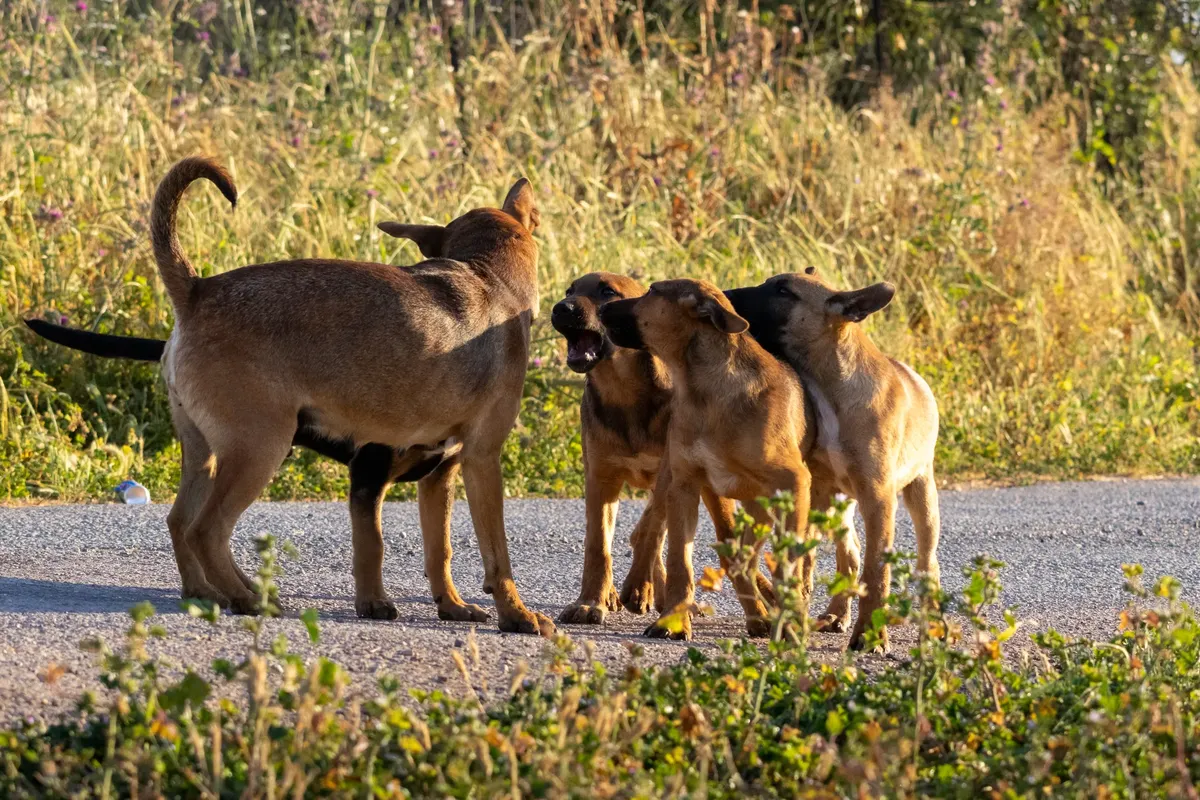
- Demonstrate consistent decision-making.
- Maintain calm authority during transitions.
- Prioritize group cohesion over individual dominance.
Why is socialization essential for anxiety prevention? Dog pack leader role
A dog stands at the edge of a sidewalk, sniffing a new scent while watching a passing cyclist with curiosity. This moment of controlled interaction is the core of socialization, which prevents the fear-based responses that often lead to separation anxiety.
Socialization is the process of exposing a dog to various stimuli in a controlled, positive manner. This builds a "social toolkit" that allows the dog to handle changes in their environment without panicus. A well-socialized dog is more likely to remain calm when their usual routine is interrupted.
Effective socialization involves more than just meeting other dogs; it involves experiencing different sounds, surfaces, and human interactions. This breadth of experience ensures that the dog does not view the world as a series of threats.
In this sequence, the second step is the most critical.
How to manage behavioral correction and boundaries?
A hand reaches down to gently redirect a dog away from a forbidden object, using a steady but kind gesture. This interaction is a crucial part of behavior correction, where the owner teaches the dog how to navigate the human world safely.

Correction should always be constructive rather than punitive. The goal is to teach the dog what to do instead of merely punishing what they should not do. This approach builds trust, which is essential for a leader-follower dynamic.
When correcting behavior, focus on the following:
- Use clear, consistent verbal cues that the dog can easily distinguish. 2. Reward desired behaviors immediately to reinforce the correct path. 3. Avoid emotional outbursts, as high-intensity reactions can increase a dog's anxiety.
One limitation of this approach is that it requires significant time and patience, as behavioral changes do not happen overnight and depend heavily on the dog's individual temperament.
What are the common mistakes in leadership training?
A person stands in a doorway, looking back at a dog that is waiting anxiously for a cue that never comes. This scene represents a common breakdown in communication where the owner fails to provide clear expectations.
One of the most frequent mistakes is inconsistency between different caregivers. If one person allows the dog on the couch and another forbids it, the dog loses its sense of structure, leading to increased anxiety and testing of boundaries.
Another mistake is failing to provide enough mental stimulation. A bored dog is often an anxious dog, as they lack the engagement necessary to process their environment. Leadership includes managing the dog's mental energy as much as their physical activity.
| Mistake Category | Impact on Dog |
|---|---|
| Inconsistent Rules | Confusion and loss of trust |
| Lack of Structure | Increased anxiety and pacing |
The subject here is Dog pack leader role.
The same subject is also called Puppy social skills training.
The same subject is also called Prevent separation anxiety dog.
The same subject is also called Good dog leadership tips.
The same subject is also called Canine behavior correction.
This part also covers How to train a dog well.
This part also covers Best dog socialization methods.
This part also covers Parenting dog pack dynamics.
How to train a dog well
Related


Comments 0