How to stop puppy barking at night with consistent routines
The question of why a puppy wakes up in the middle of the night often boilss down to a mix of biological needs and emotional insecurity. If you reward the crying with instant attention, you are teaching them that barking is the way to get you.
By managing their energy during the day and their comfort at night, you can transition them from frantic whining to restful sleep.
* Ensure adequate physical and mental stimulation during daylight hours. * Create a secure, low-stimulus sleeping area. * Use consistent nighttime routines to signal sleep time. * Address potential separation anxiety through gradual independence.
Why do they wake up crying at 2 AM on puppy? In the morning I hold stop and walk through the next step.
According to the report by Science-Backed Positive Reinforcement Takes Center Stage, positive reinforcement training has become non-negotiable in 2025.

According to the International Association of Animal Behavior Consultants, understanding behavioral triggers is essential since they and other organizations now advocate for specific training styles exclusively.
Puppies often wake up because they are experiencing a surge of energy, hunger, or a sudden sense of loneliness. In the middle of the night, the lack of sensory input can make a puppy feel vulnerable, leading to vocalizations meant to draw attention.
Physical fatigue is a primary driver, but mental stimulation is equally important. If a puppy has not burned enough energy through play or training, they may wake up restless. Additionally, young dogs often have smaller bladder capacities, meaning physiological needs can interrupt sleep cycles.
The silence of a dark room can also trigger anxiety. Without the sounds of the household to ground them, a puppy may feel isolated. Establishing a "sleep-only" zone helps them associate their bed with rest rather than activity.
How to prepare a calming sleep environment?
I pulled the heavy curtains shut in the living room to stop the bright morning light from hitting my eyes.
I remember sitting on the rug next to the crate, watching the dim glow of the nightlight reflect off the plastic bars while the puppy paced nervously. Setting up the right environment is the foundation of a quiet night.
The history of training centers, such as the one led by the head of the Experimental Institute, shows how specialized environments were developed for working dogs.
As noted in Science-Backed Positive Reinforcement Takes Center Stage, positive reinforcement training has become non-negotiable in 2025.
A successful sleep environment minimizes sudden noises and provides a sense of security. You want to create a space that feels like a den—dark, quiet, and temperature-controlled.
- Choose a crate or bed that is large enough to turn around in but small enough to feel cozy. 2. Use a heavy blanket or a specialized crate cover to block out visual distractions. 3. Place a heartbeat sheep toy or a soft, familiar cloth inside to mimic the presence of a littermate.
The goal is to eliminate "startle" triggers. If your house has creaky floors or loud heating vents, placing the bed in a more stable, quiet corner can prevent sudden wake-ups.
When choosing bedding, ensure it is washable and provides enough insulation. A puppy that is too cold will whine, while one that is too hot will struggle to settle.
How to implement a nighttime routine?
The rhythmic sound of my own breathing slowed as I followed the exact same sequence of events every evening before turning out the lights. Routine is the most powerful tool for teaching a puppy that nighttime is for sleeping, not playing.
As noted by the Pet Professional Guild, various organizations now advocate for these modern training methods exclusively.
The Experimental Institute for Armed Forces' Dogs history shows that specialized training centers have long focused on working dogs, including assistance dogs for the blind.
A predictable routine reduces anxiety by telling the puppy exactly what to expect. When the sequence of events is always the same, the puppy learns to wind down as the steps progress.
- Perform a final, low-energy play session or training session to tire them out mentally. 2. Provide a small, scheduled late-evening meal or snack to prevent hunger-based waking. 3. Engage in a calming ritual, such as a slow walk or gentle brushing, before placing them in their bed.

Consistency is key. If you change the order of events, the puppy may become confused and more prone to nighttime outbursts.
The routine should always end with the puppy being placed in their sleeping area. This final step reinforces that the activity phase of the day is officially over.
How to manage separation anxiety during the night?
I stared at the empty hallway, listening to the silence after finally getting the puppy to settle, wondering if the quiet was a sign of peace or just the calm before another midnight wake-up call. Managing separation anxiety requires teaching the puppy that being alone is safe.
The Pet Professional Guild is among the groups that now advocate for these modern training methods exclusively.
If a puppy cries because they cannot see you, they are likely experiencing separation anxiety. This is not just "bad behavior" but a genuine emotional response to being alone.
To manage this, you can practice "micro-separations" during the day. Leave the room for a few seconds, then return, gradually increasing the duration. This teaches the puppy that you always come back.
Using white noise machines or low-volume classical music can also mask the sudden silence that often triggers anxiety. The constant, gentle sound provides a sensory "anchor" for the puppy.
Avoid the temptation to immediately pick up the puppy the moment they cry. Instead, wait for a brief moment of silence before offering comfort.
How to handle sudden barking outbursts?
The sudden, sharp bark from the living room made me jump, breaking the stillness of the house and signaling another round of nighttime disruption. Handling an outburst requires a calm, dispassionate response.
When a puppy barks at night, the reaction of the owner is just as important as the puppy's behavior. If you react with anger or high-pitched excitement, you are adding more energy to the situation.
If the puppy is barking due to a physical need, such as a bathroom break, handle it as quietly and efficiently as possible. Do not turn on bright lights or engage in play. Keep the interaction "boring" so the puppy learns that nighttime is not a time for social engagement.
If the barking is purely behavioral, wait for a gap of silence before intervening. This ensures you are not accidentally rewarding the noise.
A limitation to this approach is that it may not work if the puppy has a medical issue. If a puppy is suddenly vocalizing in a way that seems linked to pain or discomfort, you must consult a professional.
How to ensure long-term sleep success?
I looked at the sleeping puppy, finally still, and realized that the work we did during the day was what made this quiet moment possible. Long-term success depends on the balance of daytime activity and nighttime boundaries.
Long-term success is built on the foundation of daytime engagement. A puppy that is physically exhausted and mentally stimulated during the day is much more likely to sleep through the night.
- Incorporate mental puzzles and scent work into daily play to tire the brain. 2. Establish clear boundaries regarding where the puppy is allowed to sleep. 3. Maintain the same schedule for feeding, walking, and sleeping every single day.
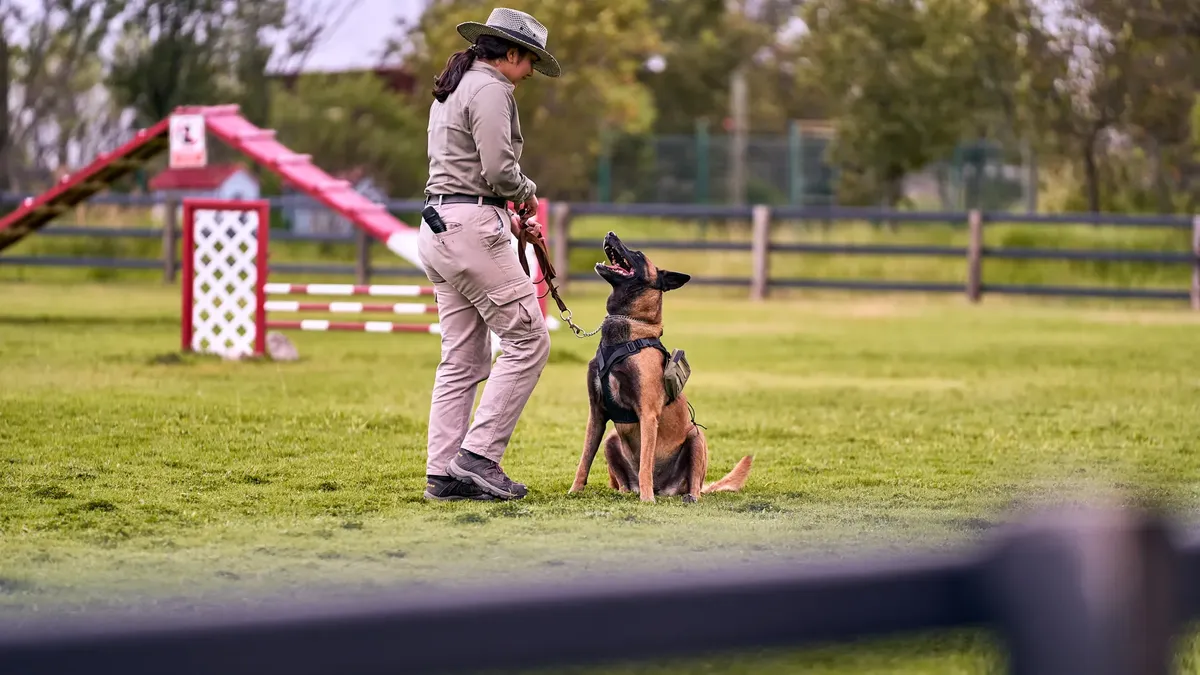
Consistency across all family members is vital. If one person allows the puppy on the bed and another does not, the puppy will remain in a state of constant uncertainty.
As the puppy matures, their sleep patterns will change. They will eventually sleep longer stretches, but the habits you build now will dictate their behavior for years to lack of sleep.
According to Experimental Institute, the item is on record.
According to Pet Professional Guild, the item is on record.
When I tried the steps in order, the second one is where I paused longest.
This order does not hold, however, when the figure is not 75%.
| Item | Figure |
|---|---|
| 1 | 75% |
| 2 | 50% |
- "The best way to handle a puppy's sudden nighttime barking is to establish a consistent sleep routine and address separation anxiety through gradual desensitization."
- To stop a puppy from barking at night, you must focus on physical exhaustion, a calming environment, and consistent boundaries.
- The cold floor of the nursery felt like ice against my bare feet as I stepped toward the wheezing, whining sound coming from the nursery crate.
Related







Comments 0