5 Proven Tips to Stop Dog Pulling and Control Excitement
Transform your chaotic, leash-pulling walks into peaceful, structured bonding experiences through professional-grade impulse control techniques.
To calm an overexcited dog, you must reward calmness and ignore or redirect excitement. Movement should only happen when the leash tension is loose, as managing energy requires mental engagement rather than just walking longer distances.
* The Golden Rule: Calmness is rewarded; excitement is ignored or redirected. * est The "Stop-and-Go" Principle: Movement only happens when the leash tension is loose. * Mental vs. Physical: Managing energy requires mental engagement, not just walking longer distances.
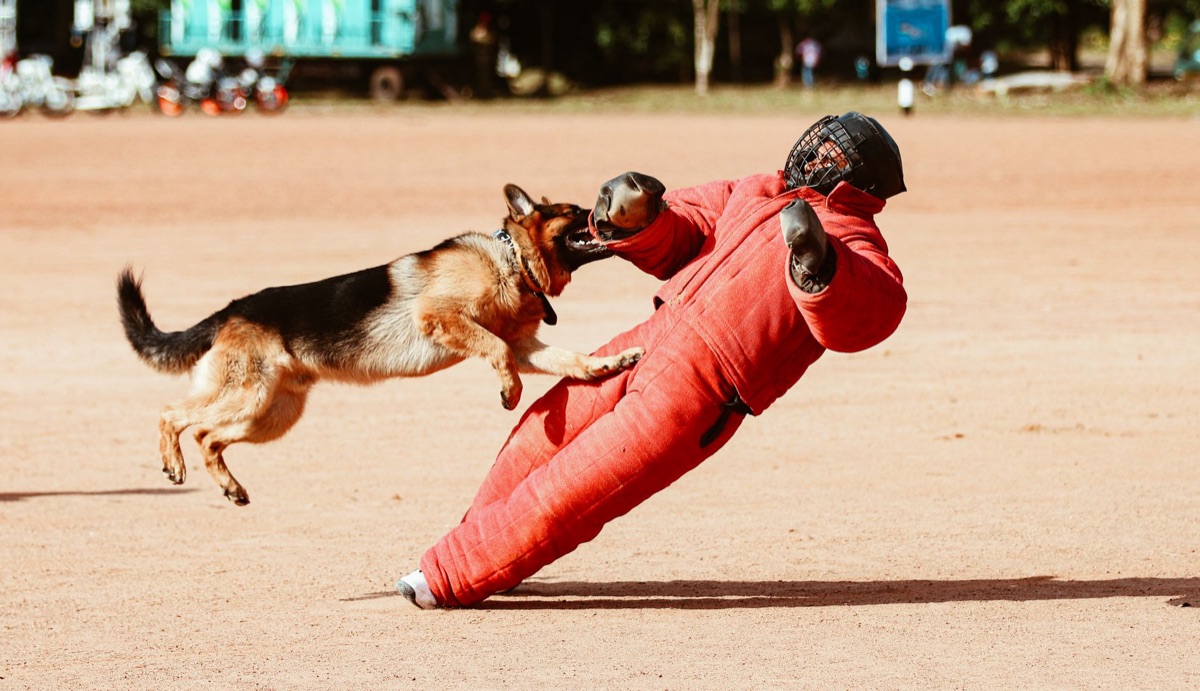
Why does my dog get overexcited during walks?
The sun hits the pavement in a quiet suburban neighborhood as a Golden Retriever suddenly lunges toward a passing cyclist, the leash snapping taut with enough force to jerk the owner's arm.
The owner pulls back, the dog barks, and the walk becomes a frantic struggle of physics rather than a peaceful stroll.
The "High-Arousal" state is a physiological shift where a dog moves from curious exploration to a state of frantic, uncontrollable excitement. In this state, the dog's brain is flooded with adrenaline, making it nearly impossible for them to process commands or listen to subtle cues.
Many owners inadvertently create a feedback loop where accidental rewards reinforce bad behavior. If a dog pulls and the owner moves forward to keep up, or if the owner pulls back in a "tug-of-war" fashion, the dog often views this as an engaging game of strength, which reinforces the pulling.
There is also the issue of an energy mismatch. Physical exhaustion does not always equal mental exhaustion; a dog might be physically tired but still highly stimulated because their brain hasn't been given enough "work" to do.
Furthermore, environmental triggers—whether they are scent-driven urges to hunt or visual-driven urges to chase—can spike arousal levels instantly.
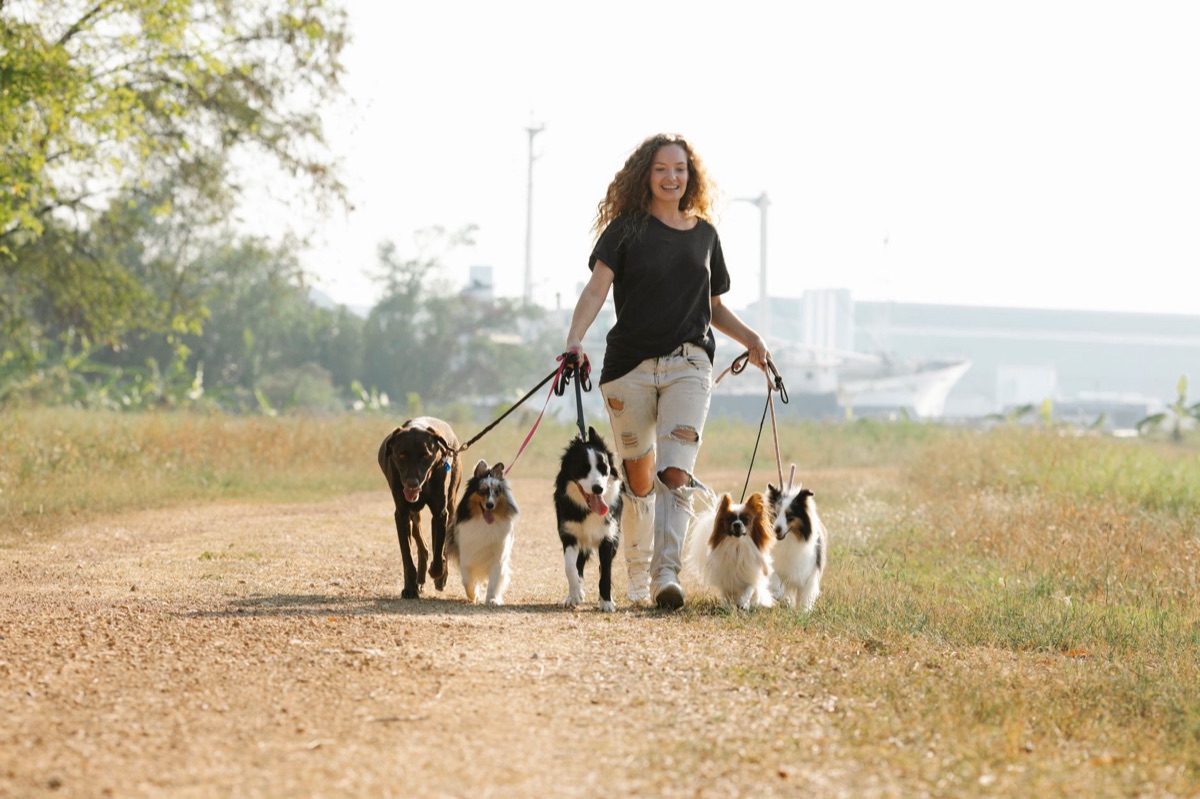
Essential Gear and Preparation for Success
A thick, heavy-duty leash sits on the entryway table next to a bag of dried liver, ready for the afternoon ritual. The owner checks the harness tension, ensuring the buckles are secure but not pinching, preparing for a structured session rather than a mindless wander.
The right leash setup is critical for success. A 1.5m to 2m fixed leash is superior to retractable leashes for training because it provides consistent communication between the handler and the dog.
Retractable leashes teach dogs that tension is acceptable, which is the exact opposite of what you want to achieve.
High-value rewards are the currency of training. Selecting "walking-only" treats—such as freeze-dried liver or small bits of cheese—ensures the dog understands that these specific rewards are reserved for the high-focus environment of the walk.
Regarding the harness vs. collar debate, the choice depends on the dog's strength and the handler's goal. A front-clip harness allows for better directional control without causing the physical discomfort or neck strain that can occur during sudden pulls with a traditional collar.
Finally, consider the pre-walk energy burn. A 5-minute "house-to-door" ritual—playing a quick game of indoor fetch or practicing "sit" and "stay"—can lower the baseline arousal level before the dog even steps outside.
5 Steps to Master Leash Control and Calmness
The owner stands perfectly still as the dog begins to pull toward a squirrel. Instead of stepping forward or yanking the leash, the owner becomes as immovable as a stone, waiting for the moment the dog's tension slackens.
Step 1: The "Zero Tension" Rule Teaching the dog that if the leash is tight, the walk stops immediately is the foundation of impulse control. If the dog pulls, the human stops walking. The dog learns that tension equals a lack of progress.
Step 2: The "Look at Me" Command Using eye contact allows the handler to interrupt excitement and redirect focus. When the dog gets too focused on a distraction, a quick verbal cue or hand signal should bring their eyes back to the owner.
ness Step 3: The "Redirection" Technique Moving from a "pulling" position to a "side-by-side" position is key. Use scent-work or small treats to lure the dog back into the correct walking position when they begin to drift or pull.
Step 4: The "Tree" Method When a dog lunges, the human becomes a static "tree." By becoming an immovable object, you remove the "reward" of movement. The dog quickly realizes that pulling against the human results in zero forward momentum.
Step 5: Controlled Micro-Breaks Implementing 30-second "sit-and-wait" intervals every five minutes helps build impulse control. These breaks teach the dog that they must be calm and attentive to earn the next stretch of walking.
Common Mistakes to Avoid (The "Anti-Patterns")
A frustrated owner stands in the middle of a park, breathing heavily as their dog weaves between their legs, trying to reach a group of children. The owner is tired, the dog is hyper, and the relationship feels strained.
The "Tug-of-War" mistake occurs when an owner pulls back against a lunging dog. This often turns the walk into a wrestling match where the dog learns that pulling is an interactive, high-energy activity.
Many people fall into the "Reward for Pulling" trap. If the owner moves forward just to keep up with a dog that is leading the way, they are accidentally teaching the dog that pulling actually gets them where they want to go.
Over-stimulation is another common error. Taking an energetic dog to a high-traffic park before they have mastered basic leash manners is often a recipe for failure. Similarly, inconsistent handlers—where different family members have different rules—lead to confusion and persistent excitement.
| Strategy | Goal | When to Use |
|---|---|---|
| Stop-and-Go | Teach that tension stops progress | During active pulling |
| Redirection | Move dog back to side-position | When dog wanders or drifts |
| The "Tree" | Stop all momentum | During sudden lunges |
| Micro-Breaks | Build impulse control | Every 5-10 minutes of walking |
Advanced Tactics: Managing High-Energy Breeds and Social Triggers
The dog catches a scent in the grass, nose down, as the owner stands quietly nearby. The atmosphere is calm, the dog's breathing is steady, and the walk feels like a mutual activity rather than a struggle.
Scent work integration is a highly effective way to manage energy. Using "sniff-breaks" as a structured reward allows the dog to engage their nose, which naturally lowers their heart rate and provides mental stimulation without the chaos of running.
The "Parallel Walk" strategy helps manage excitement when encountering other dogs. Instead of a head-on confrontation, walking in the same direction as another dog at a safe distance helps prevent the "fight or flight" arousal spike.
For households with multiple people, the "Two-Person" drill is useful. This involves coordinating movements between two handlers to create a unified boundary, ensuring the dog receives the same signals from everyone involved.


Comments 0