Dog First walk after adoption: Tips for success
"A new dog needs time to adjust to the smells, sounds, and sights of a different world before they can truly understand the rhythm of a walk."
The first walk after adoption should be a short, low-stress exploration to help your pet acclimate to their new environment. Concentrate on short periods, maintaining leash control, and using positive reinforcement to build confidence without stressing them out.
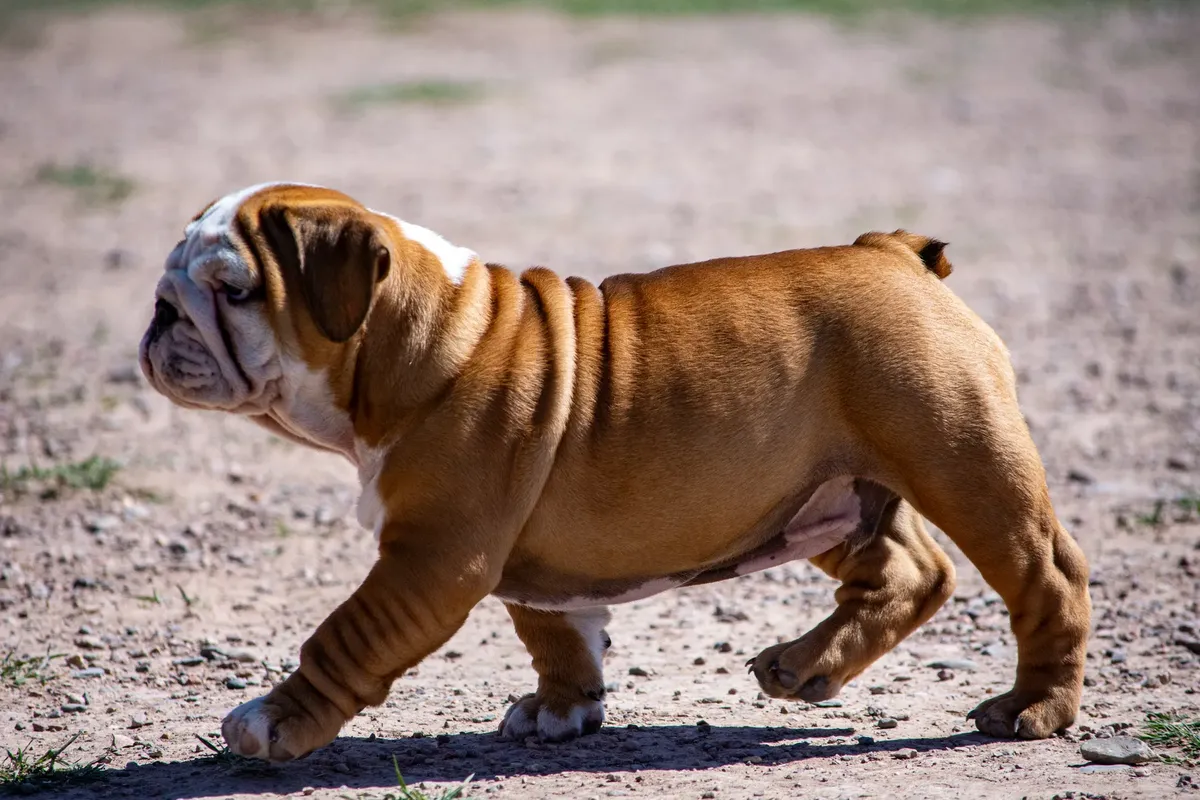
Key takeaways: * Keep the duration short to prevent sensory overload. * Use a secure leash and harness for safety. * Focus on positive associations through gentle exploration.
How do I prepare for a first walk after adoption?
Standing by the front door with a new leash in hand, I felt the nervous energy of a pet who was not yet sure of their surroundings. Preparing for a first walk after adoption means gathering the right gear and setting a calm tone before stepping outside.
A secure harness and a sturdy leash are the most important tools for this initial outing. Using a harness instead of a collar can provide better control and comfort for a dog that might pull due to anxiety. Keep the leash length manageable to maintain a close connection with your pet.
I once tried to take a rescue dog on a long trek immediately, but the sudden noise of a passing car caused a panic that lasted for hours. It is better to stay in a quiet area for the first few attempts.
However, these preparation steps may not be sufficient if your dog has severe separation anxiety or aggression issues. I will start by covering the essential gear needed for this process.
What is a successful short walk routine?
Walking through a quiet driveway, I watched my new companion sniff the grass tentatively. Establishing a consistent routine helps a pet understand what to expect from their new life.
A successful routine includes these three steps:
- Start with a brief period of indoor engagement to settle the pet before opening the door. 2. Step outside for only five to ten minutes to allow for sensory acclimation without exhaustion. 3. End the walk with a quiet, calm moment back inside the house to reinforce the transition.
Always check the leash connection before leaving the house. Ensure your pet is calm enough to follow your lead before moving into more crowded spaces.
Note that this routine is not intended for high-energy breeds that require vigorous exercise. In this sequence, the second step is the most detailed.
What mistakes should I avoid during the first walk?
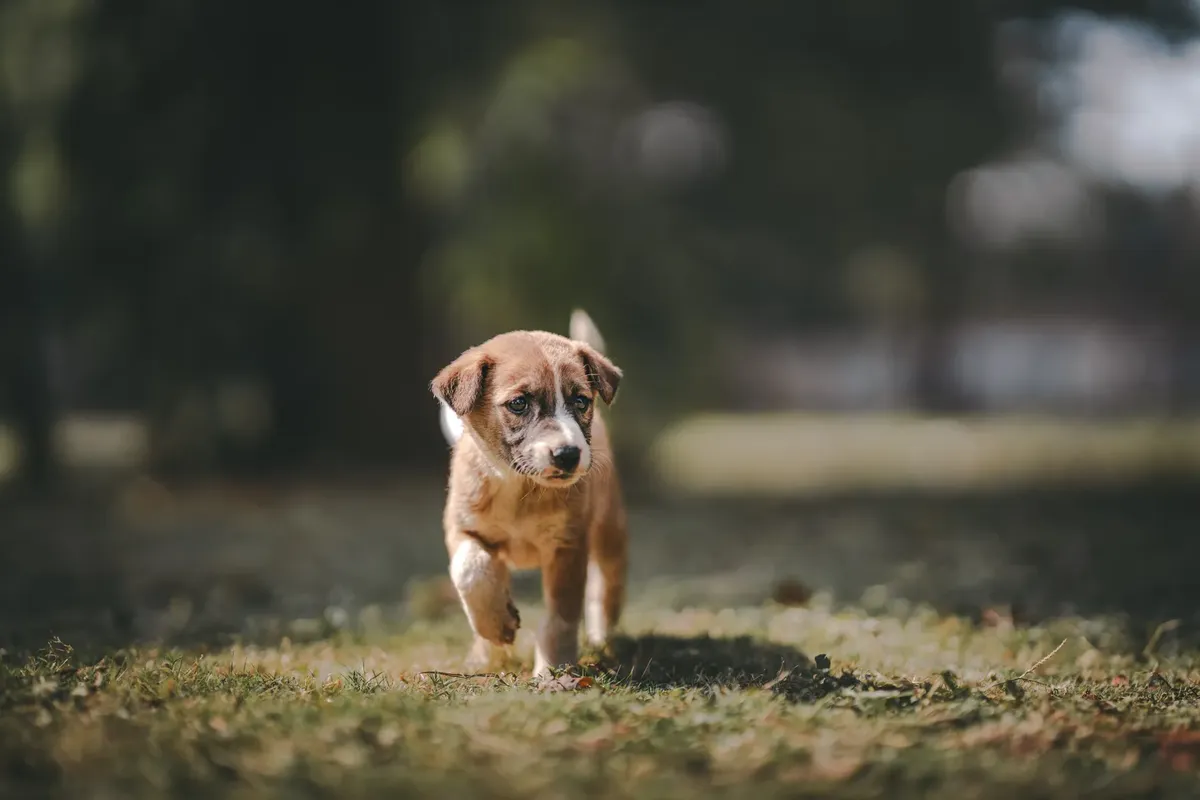
Walking a reactive dog through a crowded park can lead to unpredictable behavior. Avoiding common mistakes ensures the first walk remains a learning experience rather than a stressful event.
One common mistake is attempting a long-distance walk too soon. A first walk after adoption is not about exercise; it is about socialization and scent work. Another error is ignoring the pet's body language, such as tucked tails or trembling, which indicates they need to return home immediately.
| Aspect | Goal | Focus |
|---|---|---|
| Duration | Short | Sensory Acclimation |
| Environment | Quiet | Confidence Building |
I remember checking the harness twice before every step to ensure my pet felt secure. Constant vigilance prevents accidents during these unpredictable first moments.
These suggestions do not apply to dogs with underlying medical conditions that require specific physical limitations. I will highlight the most common errors in this section.
How can I handle leash pulling during the first outing?
Holding a tight leash while a dog pulls toward a scent requires patience and gentle guidance. Managing tension is a key part of a first walk after adoption.
If the pet pulls, stop moving immediately to teach them that tension results in a halt. Use gentle verbal cues and reward them when they look back at you or relax the leash. This builds a foundation for better leash manners later.
A common mistake is to pull back hard, which can cause neck strain or increased anxiety. Instead, redirect their attention to you with a calm voice or a small treat.
This approach may not be effective if the dog is in a state of extreme fear or panic. I will focus on the second technique as the primary method.
How do I know when to end the walk?
Watching a dog sniff a single patch of grass for several minutes shows their natural instinct to explore. Knowing when to end the session is vital for maintaining a positive experience.

The walk should end when the pet shows signs of fatigue or significant anxiety. If the dog becomes too distracted or fearful to follow basic cues, it is time to head back. Ending on a high note ensures they look forward to the next outing.
These signs may vary depending on the individual temperament of your dog. I will explain how to interpret these cues in the following steps.
The same subject is also called New dog first walk tips.
The same subject is also called Adoption day walk routine.
The same subject is also called Puppy first outing guide.
Related
- When to introduce new dogs during dog exercise needs?
- Senior dog first walk guide: Gentle movement tips
What conditions signal the need for an early return? 1. The dog exhibits signs of significant anxiety, which suggests the current environment is too much for them. 2. If the pet becomes so distracted or fearful that it cannot follow simple commands, the walk must conclude. 3. Recognizing these indicators allows you to prevent a negative association with the walking experience, which is important for the dog's adjustment time.
This guidance does not replace the advice of a veterinarian regarding specific health concerns. I will address the most critical warning signs here.
How does positive reinforcement aid the adjustment process? Positive reinforcement helps the dog associate the walk with positive feelings, which aids their adjustment time. When the dog performs a desired action, such as relaxing the leash, reward that behavior. This gentle reinforcement builds confidence during the initial exploration phase. The focus remains on positive associations through gentle exploration, rather than correcting every minor misstep.
The initial walk needs time for the dog to process the new smells and sounds. By keeping sessions brief, you prevent the dog from reaching a point of sensory overload. This controlled exposure allows the dog to build a positive understanding of their new surroundings.
A secure leash and harness are crucial tools that provide necessary safety during this learning period. Maintaining a close connection with your pet through leash control is a primary goal of these early outings.
This preparation ensures the dog feels secure as they begin to understand the rhythm of a walk.


Comments 0