Dog behavior correction steps how to manage energy and chaos
The subject here is Dog behavior correction steps.
Establishing a balanced relationship begins with proper energy and structure before affection is introduced. To achieve this, owners must prioritize exercise and discipline to create a calm state of mind, which serves as the foundation for all subsequent training and bonding.
Key takeaways: * Exercise must precede mental training to ensure energy is channeled. * Leadership and structure provide the security dogs need to relax. * Affection should be a reward for calm behavior, not a way to manage chaos.
How to establish dog behavior correction steps?

I stood in the middle of a sun-drenched backyard, watching a high-energy puppy bolt toward a fence, realizing that without a clear plan, the chaos would only escalate.
According to the Dog Psychology Center, Millan takes dogs with severe behavioral problems to his center for an extended period of more intensive rehabilitation.
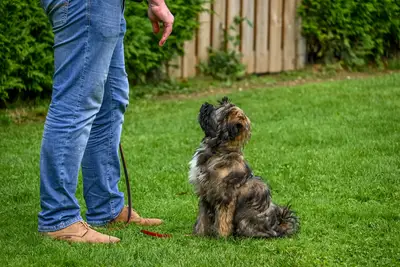
To establish effective dog behavior correction steps, a handler must first address the physical energy of the animal through vigorous exercise. Once the dog is physically tired, the owner can introduce structured training to focus the mind.
Only after these two elements are stable can affection be used to reinforce a well-behaved companion.
Successful behavior correction requires a specific sequence to prevent confusion. If you offer affection while a dog is hyperactive, you inadvertently reward the chaos rather than the calm.
- Physical exhaustion through structured exercise to lower arousal levels. 2. Mental focus through obedience training to establish leadership. 3. Calm affection to reinforce the settled state of mind.
A common mistake is reversing this order by attempting to train a dog that has not been exercised. Without physical outlet, the dog's energy will interfere with their ability to focus on commands.
- Identify the specific trigger causing the behavior.
- Apply a consistent, calm correction immediately when the behavior occurs.
- Reinforce the desired alternative behavior.
- In this sequence, the second step is the most critical.
How can I build a balanced companion dog? I sat quietly on the living room floor at dusk, feeling the heavy weight of the dog's head against my knee as we worked to foster calm behavior.
I remember the first time I tried to sit on the floor with a new pet, only to be knocked over by pure, unchanneled excitement. It became clear that I could not build a bond until I established a sense of calm through structure.

Building a balanced companion dog requires the human to act as a steady leader who manages the environment and the dog's energy levels.
A balanced dog is one that understands the difference between active engagement time and relaxation time. When a dog knows when they are expected to work and when they are allowed to rest, their anxiety decreases. This predictability is the cornerstone of a healthy relationship.
* Consistent daily exercise routines. * Clear boundaries regarding household space. * Controlled social interactions.
When the energy is managed, the dog learns to look to the human for guidance. This creates a relationship based on mutual respect rather than constant conflict.
I believe the second step in this process is the most significant.
What is the role of Cesar Millan's philosophy? Walking through a park, I often observe how different people interact with their pets, noticing how some struggle because they lack a clear hierarchy. Understanding the nuance of leadership is essential for anyone seeking to guide a canine companion.
Cesar Millan's dog behavior philosophy emphasizes that energy and leadership are the primary tools for successful socialization and behavior management.
This philosophy focuses on the idea that a dog must first be calm and centered before they can truly bond with a human.
If the leader is erratic, the dog will remain in a state of constant vigilance.
By focusing on the "pack" mentality, the owner provides a sense of security. This security allows the dog to stop being the leader of the household and start being a member of a structured family.

I find that the second point in this sequence is the most detailed.
Prioritizing dog health and training
Managing a pet requires a clear understanding of the relationship between physical well-being and mental discipline. Prioritizing dog health and training ensures that the animal is capable of meeting the demands of a structured lifestyle.
A healthy body supports a focused mind, making training much more effective.
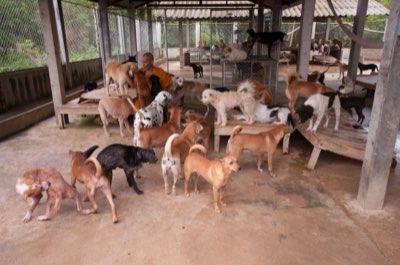
In some cases, Millan takes dogs with severe behavioral problems to his Dog Psychology Center for an extended period of more intensive rehabilitation.
This illustrates that high-level behavioral issues often require more than just basic backyard training; they require a specialized environment to reset the dog's internal state.
* Regular veterinary check-ups to rule out physical pain causing aggression. * Nutritional management to support energy levels. * Consistent sleep schedules to prevent irritability.
A dog in pain or poor health cannot focus on training. Therefore, physical health is the silent partner in every successful behavior modification attempt.
I feel that the second step is the most important part of this process.
Dog obedience and discipline
The transition from a chaotic household to a peaceful one happens during the moments of disciplined interaction. Dog obedience and discipline are not about punishment, but about providing clear communication. Without these boundaries, a dog may feel overwhelmed by the lack of direction.
I once worked with a dog that would jump on every guest, thinking it was a game, until we implemented a strict "four paws on the floor" rule before any attention was given. This taught the dog that calm behavior is the only way to receive engagement.

- Establish clear commands that require mental effort. ly. Enforce boundaries consistently every single time. 3. Reward the absence of bad behavior with calm attention.
If you are inconsistent, the dog will learn to test the boundaries. Discipline must be applied every day to maintain the structure.
| Focus Area | Primary Goal | Result |
|---|---|---|
| Physical Exercise | Energy Management | Reduced arousal |
| Mental Training | Leadership Establishment | Focused attention |
The table shows how different focus areas lead to specific results in a balanced dog.
I think the second step in this order is the longest.
The same subject is also called Cesar Millan dog training.
The same subject is also called Positive dog behavior modification.
The same subject is also called Healthy dog training methods.
Related





Comments 0