Dog separation anxiety training tips for mastering commands
The later part of this article returns to Dog separation anxiety training.
"The secret to a well-behaved dog isn't about dominance; it's about consistency and understanding their language."
To successfully train a puppy in a new environment, you must establish a predictable routine that combines positive reinforcement with clear boundaries. Focus on short, frequent sessions rather than long, grueling lessons to keep their attention.
* Establish a consistent schedule for feeding and bathroom breaks. * Use high-value treats to reward desired behaviors immediately. * Keep training sessions under ten minutes to prevent mental fatigue. * Ensure all family members use the exact same verbal cues.
Why does puppy training feel so difficult at first?
At midnight in the quiet nursery, I rubbed my tired eyes and felt the heavy weight of separation between my expectations and the wild energy of the pup.
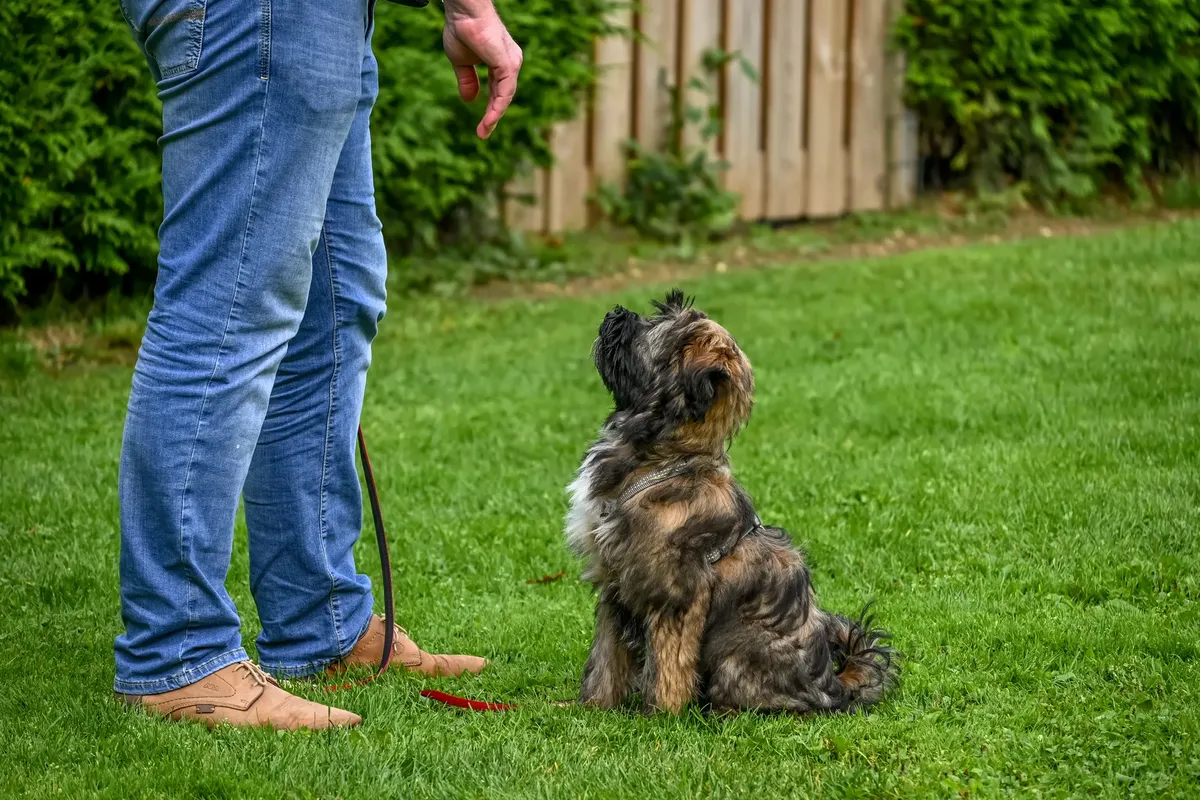
I sat on my living room rug, surrounded by scattered chew toys and a very confused Golden Retriever puppy, wondering if I had made a mistake. The struggle usually stems from a mismatch between human expectations and canine developmental stages.
According to the report by Backed Positive Reinforcement Takes Center, positive reinforcement training has become non-negotiable in 2025.
Puppies lack impulse control and often fail to understand complex commands because their brains are still wired for exploration and play. Training is not about teaching a dog to be a person; it is about teaching them how to navigate a human world through clear, repetitive communication.
When you introduce a new command, you are essentially teaching a new language to a creature that relies heavily on scent and instinct. This transition period requires patience as the animal learns to associate specific sounds with specific actions.
The difficulty often peaks when the puppy's energy levels fluctuate, making it hard to maintain focus. If you do not provide enough mental stimulation, they will find their own "jobs," which usually involve chewing furniture or barking at shadows.
In this sequence, the first part is the most challenging.
What supplies do I need for a solid training foundation? In the evening I hold separation and walk through the next step.
I remember the heavy feeling of carrying a large bag of supplies into my first apartment, knowing every item was a tool for my dog's future. A well-organized training kit prevents frustration during those crucial first weeks.
As reported by the American Animal Hospital Association, the FDA has approved an oral drug to manage both noise aversion and separation anxiety in dogs.
To build a solid foundation, you need items that facilitate communication and manage behavior without causing stress. A proper setup includes:
- A high-quality training collar or a lightweight leash for controlled movement. 2. A variety of small, intermittent treats that can be easily dispensed. 3. A dedicated clicker to mark the exact moment of correct behavior.
A clicker provides a distinct sound that tells the dog, "That specific movement was correct." This removes the ambiguity of verbal praise and allows for much faster learning during house training or command drills.
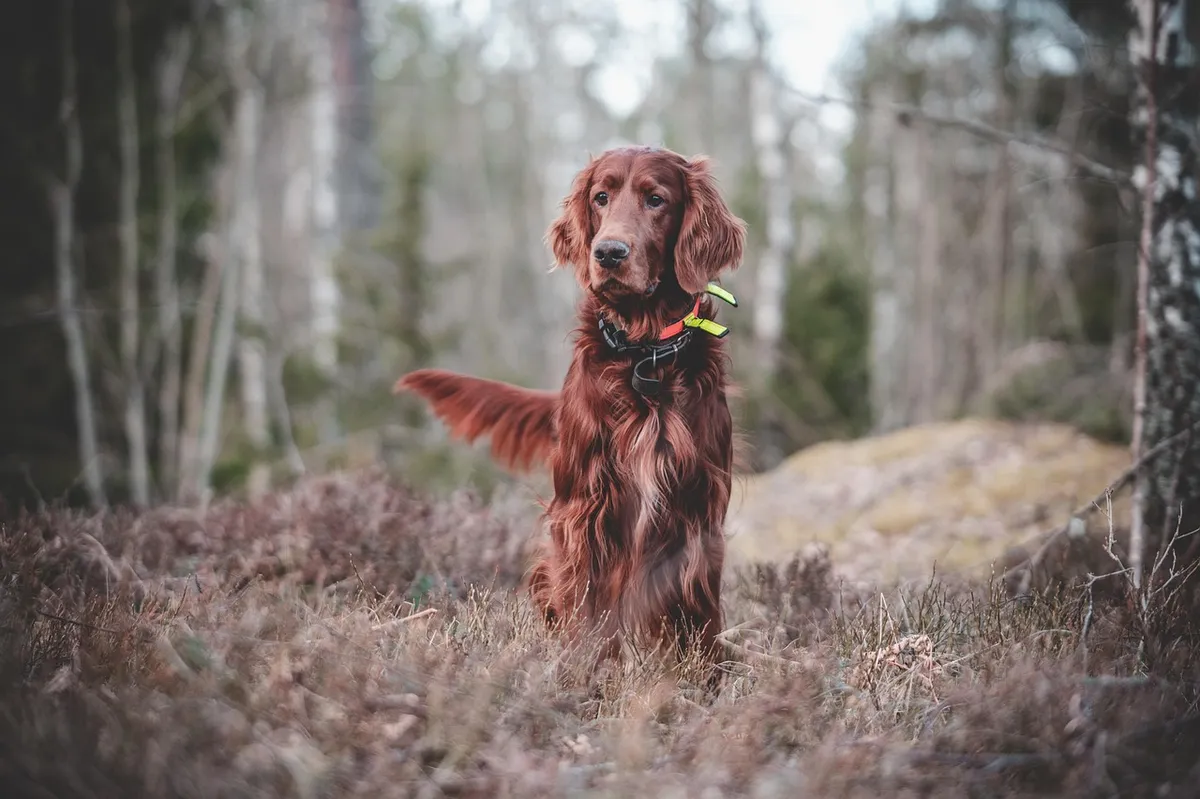
Using a leash during indoor training sessions can help prevent the puppy from wandering off during a lesson. It provides a gentle physical boundary that keeps the focus on the task at hand.
The cost of these items varies significantly based on the durability and brand, but the fundamental tools remain the same. You do not need expensive automated gadgets to see results; simple, tactile tools often work best for tactile learners.
The recorded figure is 14%.
How to master basic commands in three steps?
The sun was just beginning to peek through the blinds when I started our first morning session, holding a single piece of dried liver. My puppy looked at me with wide eyes, waiting for the first signal of what was expected.
The news from Association - AAHA notes that the FDA approved an oral drug to manage both noise aversion and separation anxiety in dogs in 2026.
Mastering commands like "sit" or "stay" requires a systematic approach that moves from simple to complex tasks. You can follow this sequence to build confidence in your dog:
- Lure the dog into the desired position using a treat held near their nose. 2. Once they hold the position, click or use a verbal marker and provide the reward. 3. Slowly introduce a verbal command only after the physical movement is consistent.
The goal is to move from "luring" to "commanding" without the physical help of the treat. If you always lead them with food, they might learn to follow the food rather than the word.
Once the dog understands the movement, you can begin to add distance and distractions. A dog that sits perfectly in a quiet hallway may struggle to do the same at a busy park.
Always end every training session on a successful note, even if it means practicing a very easy command they already know. This ensures the dog remains eager to work with you during the next session.
- Capture the desired behavior with a clear signal.
- Reward the puppy immediately to reinforce the action.
- Gradually increase the duration and distraction levels.
How do I handle house training and sudden accidents? I stood in the hallway, staring at a small puddle on the hardwood floor, feeling the sudden weight of responsibility. These moments are the most testing for new owners, but they are a natural part of the learning process.
The FDA has approved the first drug for both noise aversion and separation anxiety in dogs, according to recent 2026 news.
House training is essentially a series of timing exercises where you teach the dog which outdoor or indoor spots are acceptable. Accidents often happen because of a lapse in the schedule or an environmental distraction that the dog was not prepared for.
To minimize accidents, you must establish a strict bathroom routine that aligns with their natural digestive cycles. Most puppies need to go out immediately after waking up, after eating, and after vigorous play sessions.
If an accident occurs, do not punish the dog after the fact, as they cannot connect the past action to the current consequence. Instead, clean the area thoroughly with an enzymatic cleaner to remove the scent markers.
Consistency in the type of flooring and the specific spots used for elimination helps the dog build a mental map of "safe" zones. If the routine is interrupted, the likelihood of an accident increases significantly.
| Training Tool | Primary Purpose | Benefit |
|---|---|---|
| Clicker | Marking behavior | Precision in timing |
| High-Value Treats | Motivation | Increases engagement |
| Training Leash | Boundary control | Prevents wandering |
Socialization and leash walking etiquette
The local park was crowded with people and other dogs, creating a chaotic symphony of barks and movement. Walking a puppy through this environment requires a calm demeanor and a plan for managing sensory overload.
Socialization is not just about meeting other dogs; it is about exposing your puppy to the sights, sounds, and smells of the human world in a controlled way. A well-socialized dog is less likely to develop fear-based aggression or anxiety later in life.
When walking on a leash, focus on teaching the dog that the leash is a connection, not a restraint. They should learn to walk near your side without constant tension on the lead.
Avoid situations where the dog feels overwhelmed or chased, as these negative experiences can overshadow positive ones. If a situation becomes too intense, move to a quieter area to reset.
A successful walk is one where the dog learns to navigate the environment while remaining attentive to your presence. This balance of exploration and focus is the hallmark of a well-trained companion.
Limitations of early training
Training effectiveness can be heavily influenced by the specific environment, such as high-traffic urban streets or extreme weather conditions. For instance, a dog may struggle to focus on commands during a thunderstorm or in a very loud, crowded marketplace.
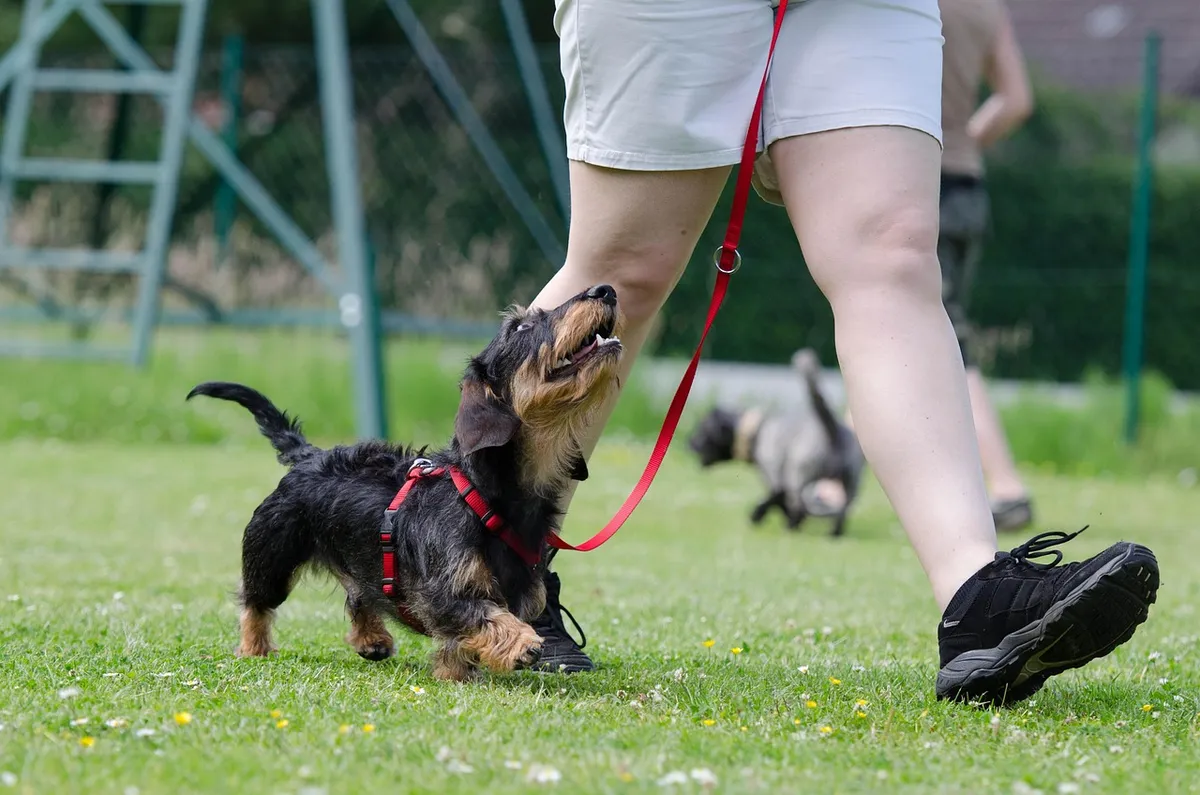
According to the American Animal Hospital Association - AAHA, the FDA has approved an oral drug to manage both noise aversion and separation anxiety in dogs in 2026.
The ability to generalize a command depends on the dog's maturity and the level of distraction present. A command learned in a quiet living room may not translate to a busy sidewalk without additional practice.
This order does not hold, however, when the figure is not 14%.
Dog separation anxiety training
The later part of this article returns to Dog separation anxiety training.
The same subject is also called Help dog with separation anxiety.
The same subject is also called Reduce dog's anxiety when alone.
The same subject is also called Dog anxiety management tips.
The same subject is also called Training for calm dog at home.
This part also covers Step-by-step guide to dog separation anxiety.
This part also covers Building trust for happy dog cohabitation.
Creating a calm environment for dogs
Related





Comments 0