Dog Adoption Guide: 5 Essential Categories for Success
A warm welcome is great, but an unprepared home can turn a joyful homecoming into a stressful nightmare for your new pup.
Bringing a dog home is a massive commitment that requires more than just a cute leash and some treats. You need a fully vetted environment, essential supplies, and a proactive medical plan.
To ensure a smooth transition, focus on securing your living space, stocking up on nutrition basics, and scheduling an immediate veterinary checkup.
* Home Safety Audit: Remove toxic plants, hide electrical cords, and secure "dog-zone" boundaries. * Essential Gear Checklist: Pre-order food, bowls, crates, and gates at least a week before arrival. * Medical Roadmap: Confirm vaccination history and book an initial wellness exam immediately. * Psychological Adjustment: Prioritize a low-stress environment over excessive petting during the first 48 hours.

Why is dog adoption prep trending right now?
The landscape of pet ownership has shifted dramatically in recent years. According to the American Pet Products Association (APPA) 2025 industry report, the number of households owning at least one pet continues to climb steadily.
This growth has led to a massive surge in search interest for "new puppy checklists" and "essential dog supplies" every spring and summer. Owners are more proactive about preparation than ever before.
Beyond popularity, legal responsibilities are evolving too. According to the 2026 Pet Industry Regulatory Update, several states have implemented stricter microchipping mandates and enhanced breeder oversight laws this year.
Being an informed owner isn't just a choice—it is becoming a legal necessity for responsible citizens. Staying updated on these local laws is vital for your peace of mind.
I remember my own first experience with a rescue pup back in 2023. I spent way too much money on designer sweaters and squeaky toys, only to realize I hadn't bought a single baby gate.
I still have nightmares about the sound of my puppy chewing through a power strip in the living room. Don't make my mistake; prioritize safety over aesthetics.
What supplies do I actually need before day one?
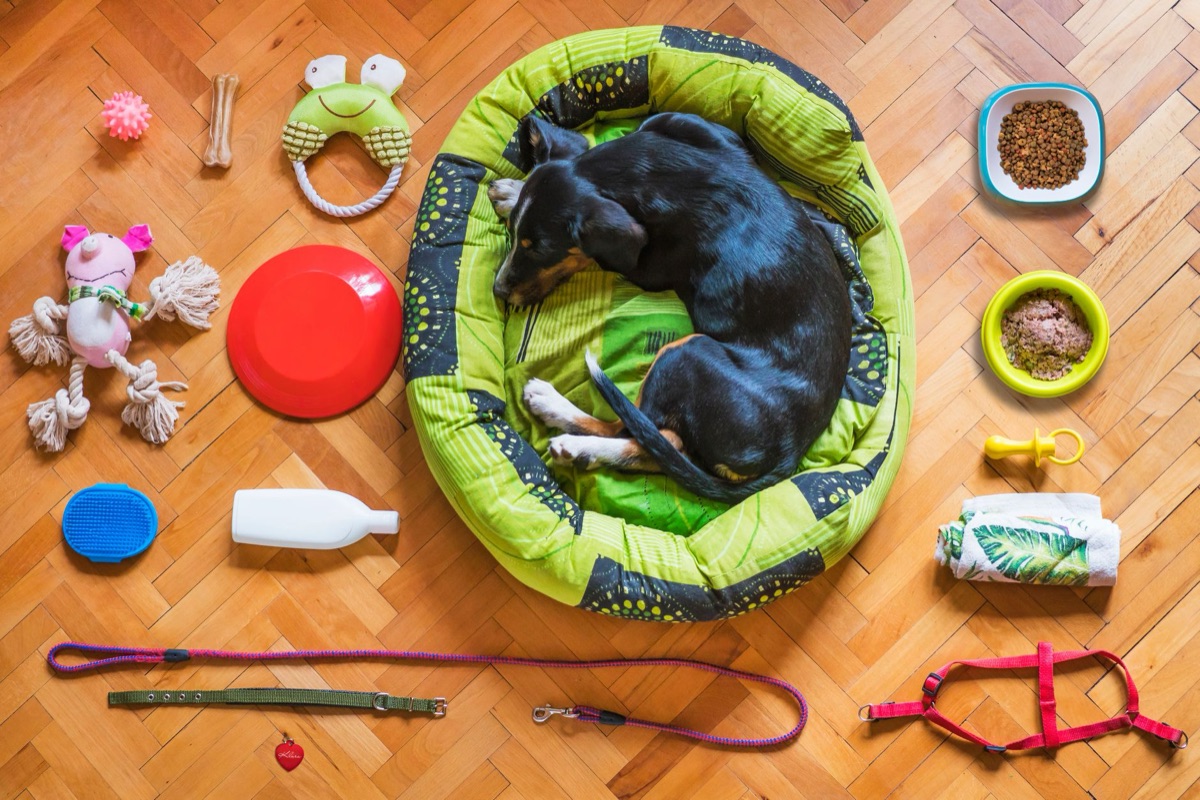
Don't wait until your dog is sitting in your backseat to realize you forgot the food bowl. Shipping delays or out-of-stock items at your local Petco can ruin your first night.
Use this comparison guide to organize your shopping list and ensure nothing is missed.
| Category | Essential Items | Pro-Tip for Success |
|---|---|---|
| Nutrition | High-quality kibble, bowls, water fountain | Buy the *exact* brand they currently eat to avoid GI upset. |
| Hygiene | Pee pads, enzyme cleaner, puppy shampoo | Use an enzymatic cleaner to fully remove scents. |
| Rest & Safety | Crate, bed, baby gates, playpen | A crate provides a "den" feeling that reduces anxiety. |
| Outdoors | Harness, 6ft leash, waste bags | Opt for a harness rather than just a collar for safety. |
| Grooming | Slicker brush, nail clippers, ear cleaner | Get them used to being touched while grooming early. |
How do I prepare my home step-by-step?
Preparation isn't just a shopping trip; it is a tactical reconfiguration of your living space. Follow these steps to create a "puppy-proof" sanctuary.
- The Floor-Level Audit: Get down on your hands and knees. Look for loose wires, small objects like coins, or sharp furniture corners. If you can see it from their eye level, they can eat it.
- Toxic Hazard Removal: Check your houseplants. According to the ASPCA's 2026 Safety Guidelines, common plants like Lilies, Sago Palms, and certain Philodendrons can be fatal. Move them to high shelves immediately.
- Zoning the House: Don't give a new puppy run of the entire house immediately. Use baby gates or crates to create a "safe zone" where they can feel secure without being overwhelmed.
- Routine Mapping: Write down a schedule for feeding, potty breaks, and naps. Consistency is the fastest way to stop accidents and anxiety.
What are the most common mistakes new owners make?
Even well-meaning owners fall into predictable traps. Based on my observations, these three errors cause the most friction:
Mistake 1: Overwhelming them with affection. When you bring a dog home, everyone usually wants to hug and kiss them. Stop! A new dog is in "survival mode." Too much physical contact can be perceived as a threat. Let them come to you on their own terms.
Mistake 2: The "New Food" Trap. It's tempting to buy the most expensive, organic food you see at the store. However, switching diets abruptly is a recipe for diarrhea. Always mix the old food with the new over a 7-to-10-day period.
Mistake 3: Judging them by human standards. We expect dogs to act like little people, but they don't understand "clean." If you judge them for an accident on the rug, you aren't helping. Instead, focus on rewarding the behavior you *do* want.
How should I handle the first vet visit?
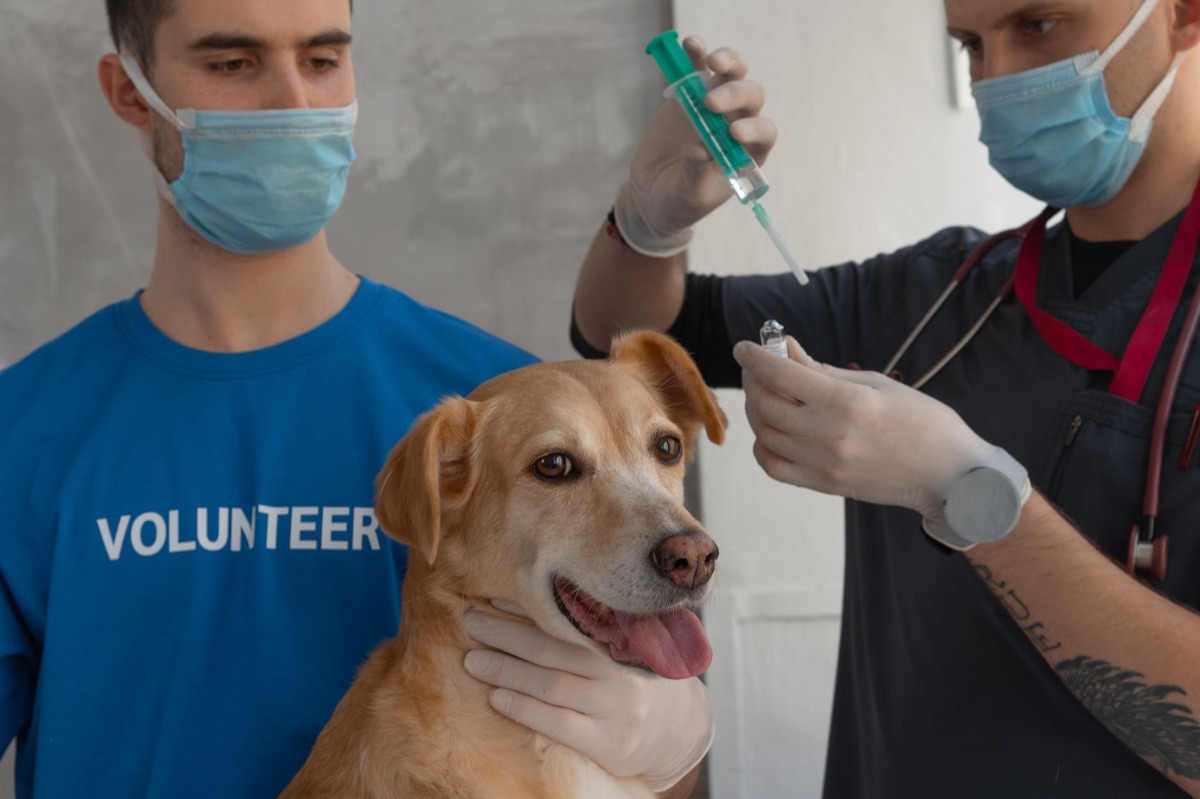
Your first priority after arrival is a comprehensive wellness exam. Even if the breeder or shelter provided paperwork, many issues—like intestinal parasites—can be "silent."
Schedule an appointment with a local veterinarian within the first week of 2026. You'll need to verify their current vaccination status and establish a preventative plan for heartworm protection.
Note that some vaccinations require multiple doses over several weeks to be effective, so get that schedule on your calendar immediately.
*However, keep in mind that every dog is different; certain breeds may have specific genetic predispositions that require specialized testing earlier than others.*



Comments 0