Dog language sound button training: Why use these tools
"The ability to communicate needs through sound buttons can bridge the gap between species, turning simple cues into a meaningful dialogue."
Using sound buttons for dog language sound button training offers a way to foster cognitive growth and social connection. This guide covers how to introduce buttons, how to manage consistency, and how to assess progress through structured interaction.
How does dog language sound button training work?
A hand reaches for a colorful plastic button on the living room floor, pressing it to trigger a clear, recorded voice. This interaction is the foundation of dog language sound button training, where a pet learns to associate specific sounds with physical outcomes or objects.
The process depends on repeated association to connect a concept with a spoken sound. By using a single button for a specific command or object, the pet begins to understand that pressing the device results in a predictable change in their environment.
This method engages the animal's natural problem-solving abilities.
Effective canine communication training requires patience and a structured environment. Owners must ensure the buttons are placed in accessible locations to allow for natural exploration.
The process relies on associative learning, where the dog connects a specific sound to a tangible outcome. By pressing a button that plays a word like "outside" or "play," the dog learns that the sound serves as a tool to communicate a specific desire to the owner.
What are the best tools for my pet's brain development?
In the sunny living room, a hand presses a plastic button to trigger a sound that bridges the gap of language. A dog trots toward a small device placed near the door, stepping firmly on a button to signal a desire to go outside. Utilizing pet cognitive development tools like sound buttons allows for a more interactive relationship between the owner and the animal.
These tools are designed to turn abstract thoughts into audible requests, helping to reduce frustration in pets that cannot verbally communicate. The buttons act as a physical interface for the dog's intent. Because the feedback is immediate, the learning loop remains tight and effective.
Developing these skills through sound button for dogs involves choosing durable, easy-to-press hardware that can withstand daily use. High-quality buttons ensure that the tactile feedback is consistent for the pet.
Effective tools include interactive puzzle feeders to stimulate problem-solving, scent work kits to engage the nose, and communicative button sets for linguistic engagement.
How to start improving dog speech skills at home?
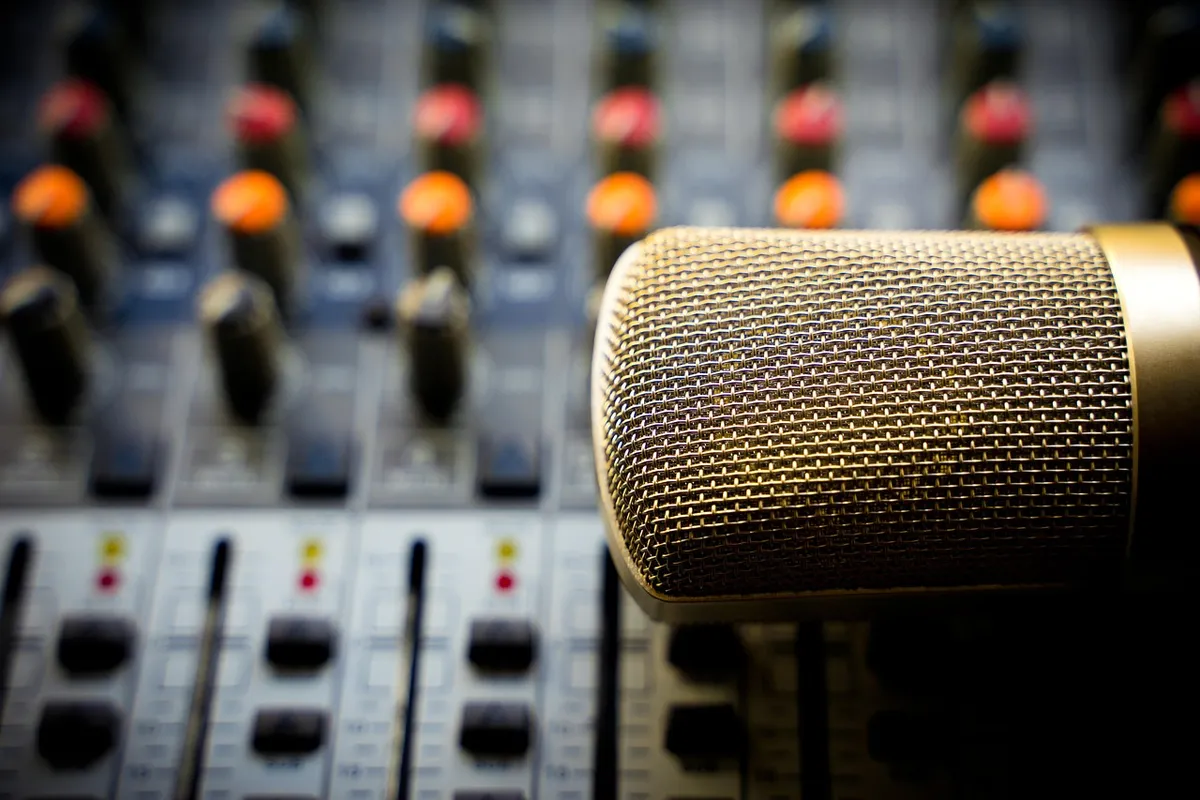
At dusk, I sit on the rug and press a button to demonstrate the basics of language to my eager pet.
A trainer sits on the floor, holding a treat while a dog stares intently at a button labeled "Play." To begin improving dog speech skills, owners should start with a single, high-motivation word to establish the concept of cause and effect.
- Select a high-value target, such as "Outside" or "Food," and place the button in a high-traffic area. 2. Model the behavior by pressing the button yourself before providing the associated reward or action. 3. Gradually increase the frequency of use by rewarding the dog only when they successfully trigger the sound.
I found that starting with a single, clear command made the initial phase of learning much smoother for both the pet and myself. After the initial association is set, the pet can begin to generalize the concept to other situations.
- Introduce a single button with a high-value reward to establish the connection between the sound and the result.
- Model the behavior by pressing the button yourself while performing the associated action.
- Gradually expand the vocabulary by adding new buttons once the dog consistently uses the initial ones.
What are the limitations of these tools?
A pet sits quietly by a button, looking at the owner but making no attempt to press it. While these tools are innovative, they are limited by the animal's current cognitive level and the clarity of the human's reinforcement.
Using these tools effectively requires that the pet already possesses a baseline level of focus and understanding of cause-and-effect relationships. If the pet is distracted or the environment is too noisy, the association may fail to take hold.
The effectiveness of boosting dog intelligence with sound is also dependent on the pet's ability to generalize a sound to a real-world object or action. A dog might learn to press "Treat" but struggle to understand that "Outside" means a walk.
These tools are limited to specific, pre-programmed concepts and cannot facilitate complex abstract thought. They also require significant time investment and consistent human interaction to remain effective.
Comparison of Training Approaches
| Approach | Primary Focus | Learning Speed |
|---|---|---|
| Single-Button Method | Concept of cause and effect | Rapid initial success |
| Multi-Button Method | Vocabulary expansion | Gradual complexity |
While button training focuses on verbal communication, puzzle feeders target problem-solving skills, and scent work focuses on sensory engagement. Each approach serves a different aspect of cognitive health.
This part also covers Latest research on dog language.
This part also covers Innovative pet training methods.
Latest research on dog language
Related





Comments 0