Senior dog food portion control: Tips for weight management
"Managing the dietary needs of an aging pet requires a delicate balance between caloric density and nutritional completeness to maintain vitality."
Effective senior dog food portion control requires adjusting caloric intake based on activity levels and metabolic changes to prevent obesity.
This guide covers understanding moisture content differences, managing calorie density, and implementing gradual feeding transitions to support long-term health.
Key Takeaways: * Differentiate between wet and dry food moisture to manage caloric density. * Monitor weight changes to prevent metabolic strain in aging pets. * Understand how moisture levels affect satiety and hydration.
Why is moisture content important for senior dog food portion control?
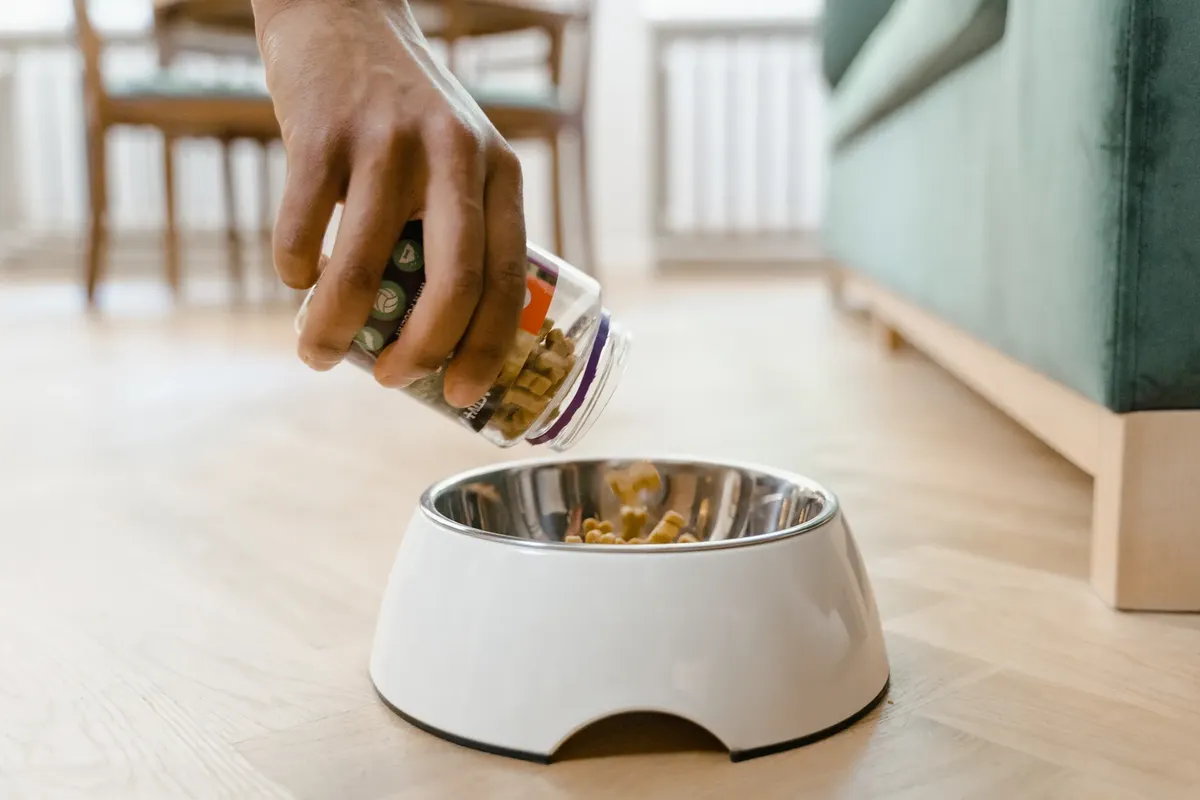
At noon in the sunlit kitchen, I scoop heavy wet food into a bowl, feeling the cool weight of the moisture used to satisfy my senior dog.
A caregiver stands in a quiet kitchen, weighing a handful of kibble against a scoop of wet food. The difference in weight is striking, yet the actual energy content tells a different story.
Understanding the relationship between weight and calories is essential for senior dog food portion control. While wet food feels heavy, it contains roughly 60–78% water, which is significantly higher in moisture than dry or semi-moist food.
This high water content can help older dogs feel full without consuming excessive calories.
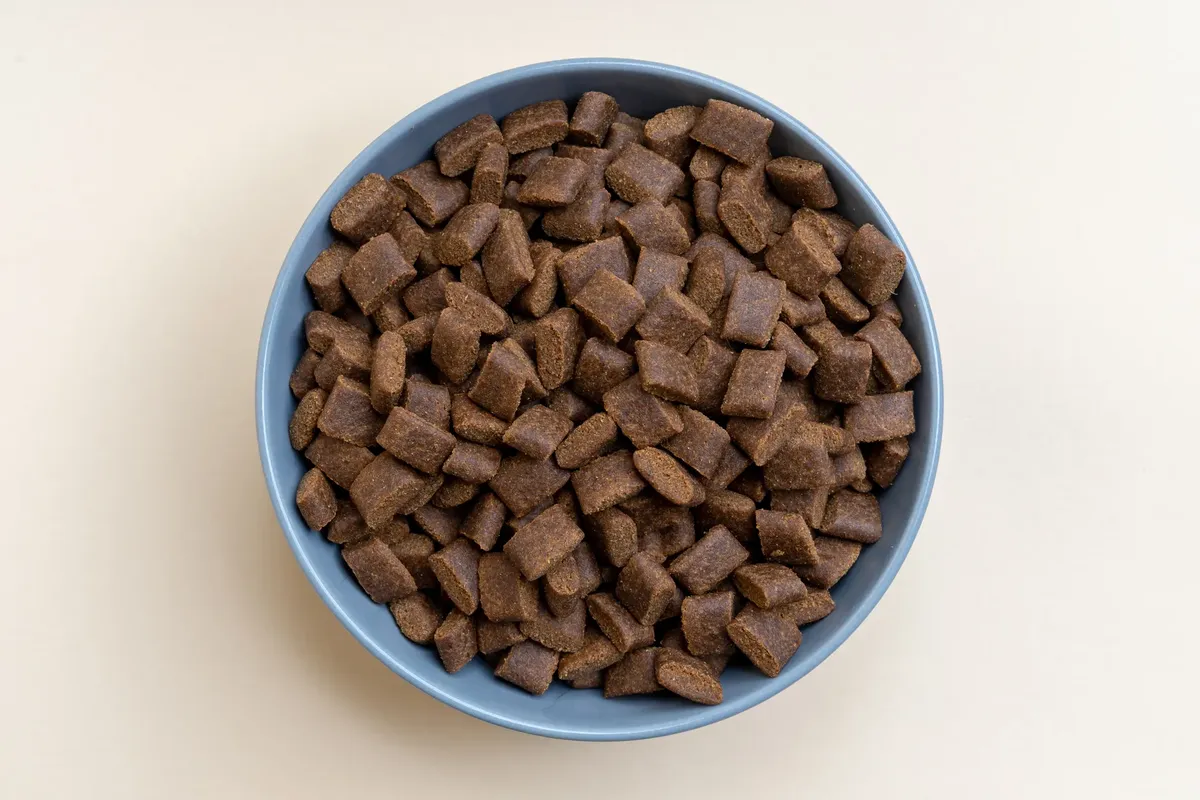
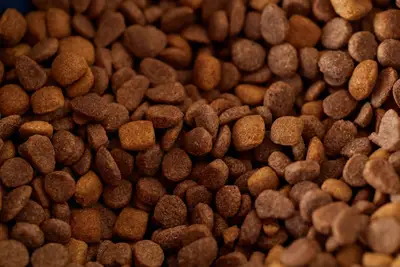
Dry dog food usually consists of bagged pellets that contain 3–11% water. Because much of the weight is gone, the calorie density per gram is much higher than wet alternatives. If you rely solely on weight to measure meals, you might inadvertently overfeed.
In contrast, dry food contains 6–10% moisture by volume, as compared to 60–90% in canned food. This means a small volume of dry food provides a much higher concentration of energy. When managing an aging pet, you must account for these density gaps to avoid weight gain.
Increasing moisture content adds bulk to the meal without adding excessive calories, helping older dogs feel full on smaller portions.
How do you implement effective old dog weight management?
While standing in the backyard at dusk, I run my palm over the ribs of my senior dog to feel for a lean frame.
A hand gently feels the ribs of a senior dog to check for ideal body condition. The goal is to maintain a lean frame to protect aging joints.
Effective old dog weight management involves calculating the specific caloric needs of the individual pet. Since metabolism slows with age, the amount of food provided must be adjusted to prevent excess fat accumulation.
One common method is to mix wet and dry foods to increase volume without adding massive calories. Because wet food has higher water content, it can provide satiety. This helps the dog feel satisfied while you maintain a strict caloric limit.
Another approach is to monitor the physical condition of the pet regularly. If the dog is gaining weight too quickly, the portion size must be reduced. Adjusting the frequency of meals can also help manage hunger pangness in older animals.
The final step is to consult with a professional if weight fluctuations become extreme. Sudden changes in weight can indicate underlying health issues that require medical intervention.
- Gradually reduce caloric density while maintaining nutrient levels.
- Incorporate high-moisture foods to increase satiety.
- Monitor daily weight changes to adjust portions accordingly.
What are the best ways to manage dog weight through moisture adjustment?
A person carefully pours water into a bowl of dry kibble to soften the texture. The pet approaches the bowl, sniffing the increased aroma of the moistened food.
Finding the best ways to manage dog weight often involves playing with the moisture levels in the bowl. You can use the higher water content of wet food to your advantage.
| Food Type | Moisture Content | Relative Caloric Density |
|---|---|---|
| Dry Food | 3–11% | High |
| Wet Food | 60–78% | Low |
I once tried mixing a small amount of canned food into dry kibble to see if it helped my dog feel more full. This adjustment allowed the pet to eat a larger volume of food while keeping the total calories consistent with a strictly dry diet.
One limitation is that much of the weight in wet food is water, so you cannot rely on weight alone to measure calories.
In this sequence, the second step is the most significant.
How can you master healthy eating for aged pets?
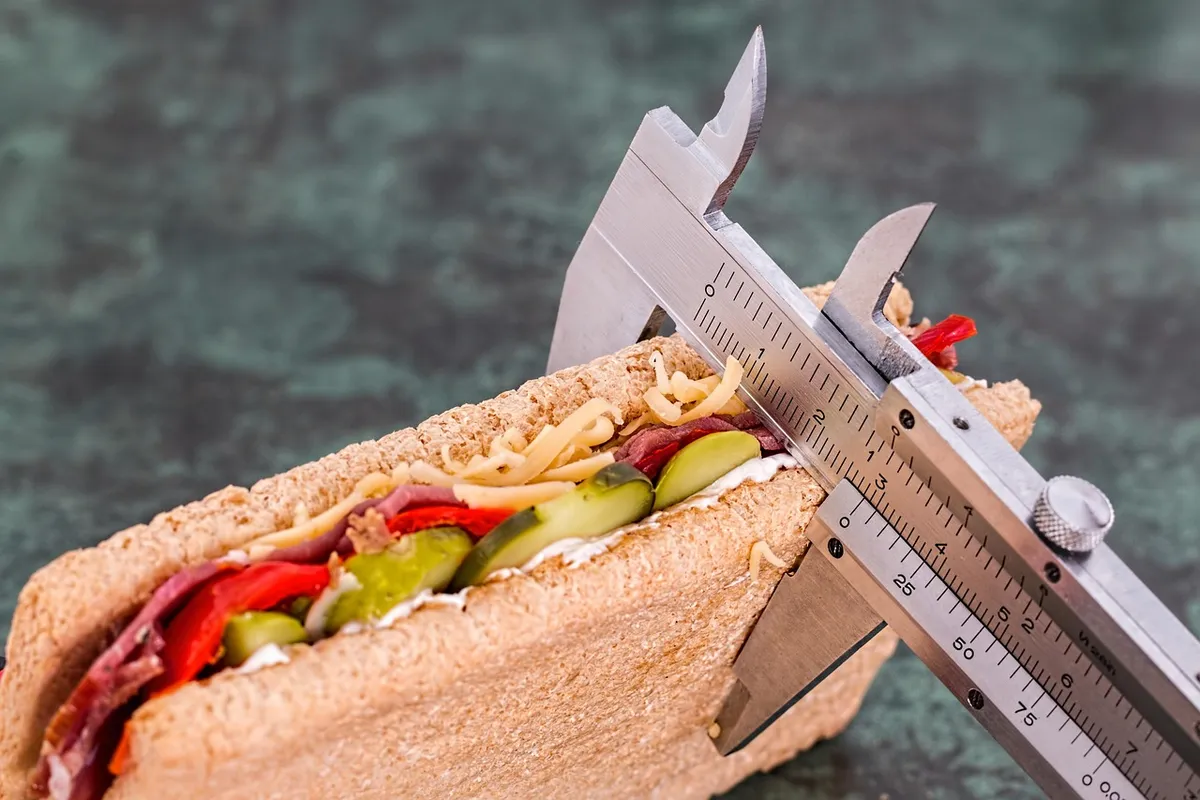
A hand carefully measures a precise portion of food into a ceramic bowl. The environment is calm, ensuring the pet can focus on the meal.
Practicing healthy eating for aged pets requires a consistent routine. Because older dogs may have different digestion speeds, the timing of meals can impact their overall wellness.
- Calculate the total daily caloric requirement based on the pet's current weight and activity level. 2. Divide the total daily amount into two or more smaller meals to prevent digestive upset. 3. Use a kitchen scale to measure dry food precisely to avoid the inaccuracies of volume-based measuring cups.
After setting the portion, check the pet's energy levels and stool consistency. These are immediate indicators of whether the current caloric intake is appropriate for their digestion.
Focus on nutrient-dense ingredients and use water or broth to expand the volume of their meals.
What are the challenges of adjusting senior dog meals?
An owner looks at a bag of food, considering the shelf life and the ingredients inside. The task of maintaining a steady diet feels like a constant calculation.
According to the FDA, since 1993, the agency has confirmed concerns regarding toxins in feed grade ingredients, yet no comprehensive federal regulation exists on mycotoxin testing in the ingredients used to make pet food.
According to the American Veterinary Medical Association, the video references the case of a specific commercial pet food plant that was also the subject of a March 2014 study published in the Journal of the American Veterinary Medical Association.
When you are adjusting senior dog meals, you must account for the fact that ingredients change.
For example, according to the Association of American Feed Control Officials (AAFCO), animal by-products in pet food may include parts obtained from any animals that have died from sickness or disease, provided they are rendered in accordance to law.
The nutritional quality of these ingredients can vary between brands. You must ensure that the calorie-to-nutrient ratio remains high enough to support an aging body. If a food is too calorie-dense, it becomes difficult to manage weight.
Additionally, the texture of the food matters. As dogs age, they may develop dental issues. You might need to transition from hard pellets to softer, moisture-rich foods to ensure they can still eat comfortably.
Managing changes in appetite and ensuring the dog remains satisfied despite lower calorie counts can be difficult.
The same subject is also called Senior dog diet control.
This part also covers Why control senior dog intake.
This part also covers Senior dog health through diet.
Related

Comments 0