Bully height standards guide Breed specific pet laws
"Safety in dog ownership begins with understanding the physical standards and regulatory implications of specific breed types."
Understanding breed-specific pet laws ensures that owners can provide a secure environment while remaining compliant with local height and type regulations.
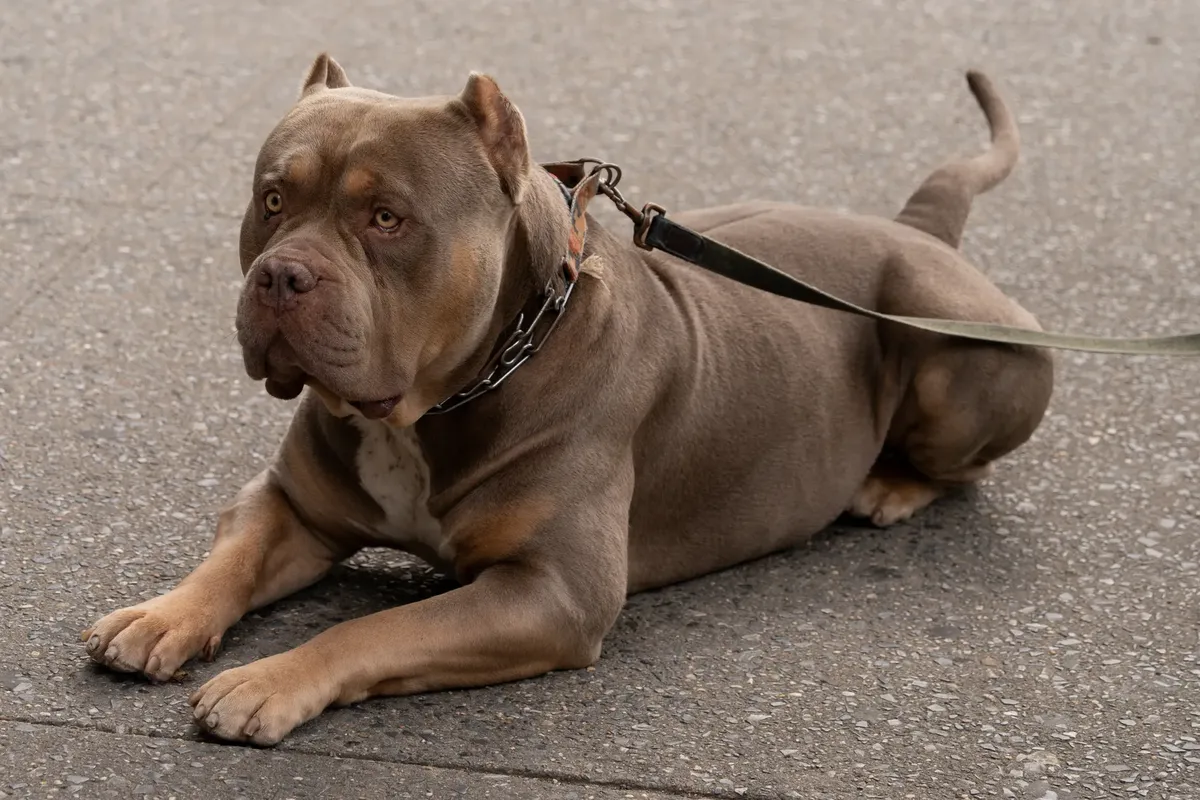
This guide covers height standards for different variants, safety considerations regarding larger types, and essential steps for responsible ownership.
What are the height standards for different American Bully types?
In the sunny backyard, I pull the measuring tape tight against the dog's shoulder to see if this bully meets the height standard.
A person stands in a backyard, holding a measuring tape against a dog's shoulder to check its height. Determining the correct size category is essential for understanding breed-specific pet laws.
Standard American Bully types have specific height requirements at the withers. For this category, full-grown males must measure between 17 to 20 inches (43 to 51 cm), while females must be 16 to 19 inches (41 to 48 cm).
The "pocket" type serves as a smaller variant of the breed. In this group, full-grown males stand 14 to 17 inches (36 to 43 cm) at the withers, and females measure 13 to 16 inches (33 to 41 cm).
The "XL" type is defined by its larger adult height. Males in this category reach 21 to 23 inches (53 to 58 cm), while females measure 19 to 22 inches (48 to 56 cm) at the withers.
Why do XL Bully dogs require extra attention? Breed specific pet laws
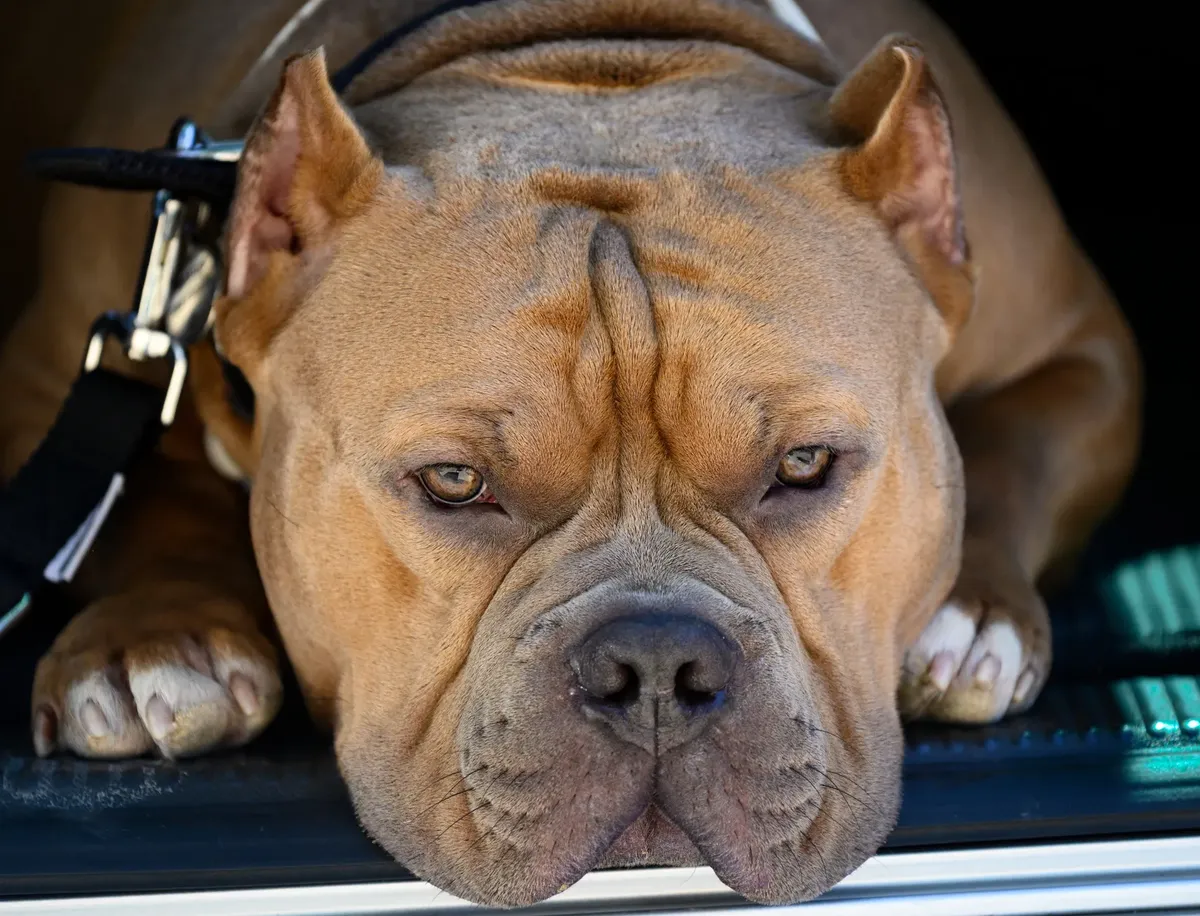
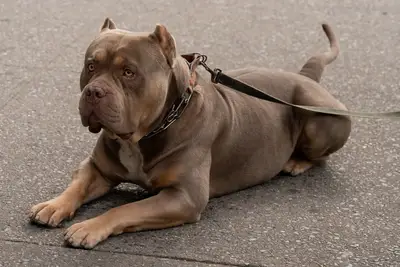
An owner looks at a large dog leaning against a wooden fence, noting its significant physical presence. Creating a safe pet environment requires recognizing how size impacts interaction.
Size-related risks are often linked to the XL type. XL Bully dogs were responsible for more than 50% (10 of the 19) dog-related human deaths caused by dogs in the UK in the period between 2021 and 23.
This statistic highlights the importance of managing larger-than-average dogs. Responsible dog ownership involves preparing for the physical strength associated with these taller variants.
Understanding breed regulations helps owners anticipate the space and containment needs for larger animals. A pet breed legal guide should always account for the physical dimensions of the animals involved.
How can I manage size-specific ownership?
In the quiet morning, I grip the thick leash tightly to manage my bully through the crowded park.
A hand runs along a dog's coat while checking the height at the withers once more. Following a pet breed legal guide involves managing the specific needs of each size variant.
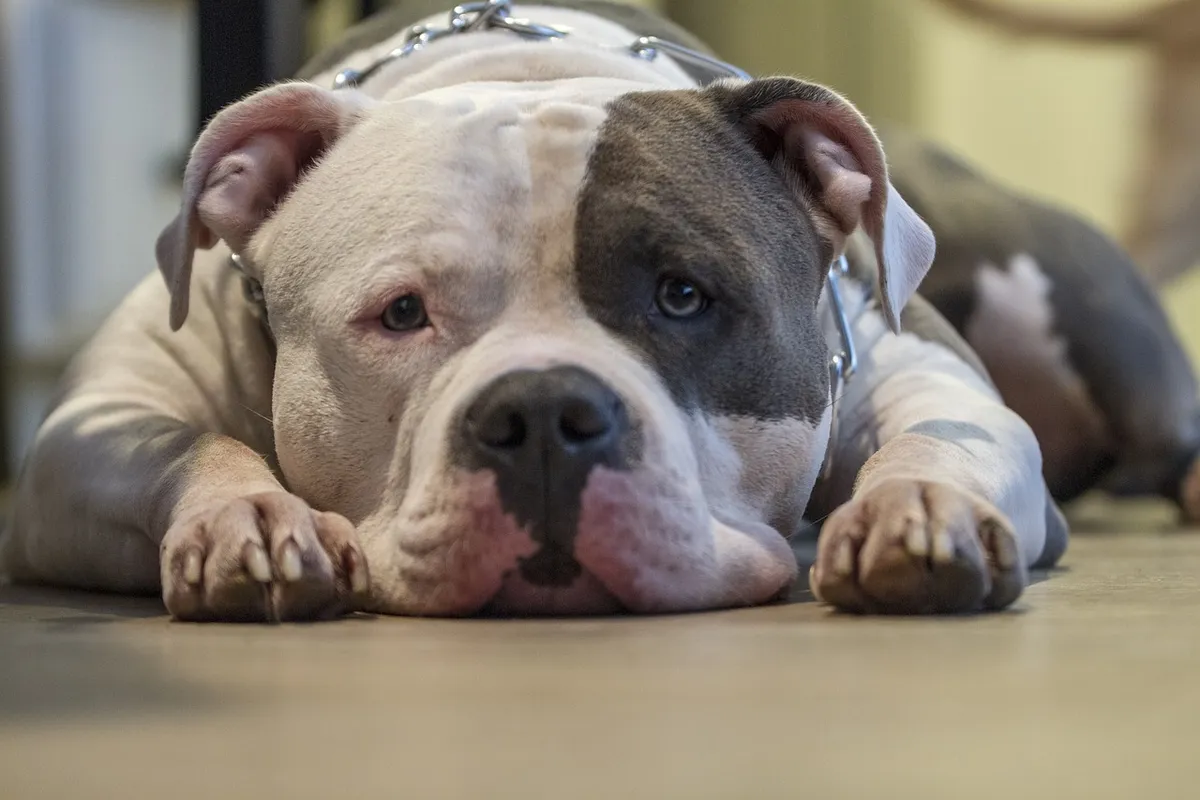
To manage these variations effectively, follow these steps:
- Measure the dog at the withers to identify if it falls into the pocket, standard, or XL category. 2. Adjust the strength of leashes and fencing based on the specific height and weight of the variant. 3. Monitor growth to ensure the dog stays within the expected physical parameters of its type.
I remember checking the height of a new dog to ensure its enclosure was sufficient for its size. A final check of the enclosure integrity is necessary after determining the dog's specific type.
What are the limits of these size classifications?
A person compares the height of a tall dog against a standard measuring post. Identifying a limitation is part of understanding the scope of these physical standards.
These height ranges are used to categorize different types, but they do not account for weight or temperament. The XL type is determined by its adult height, with males 21 to 23 inches (53 to 58 cm) and females 19 to 22 inches (48 to 56 cm) at the withers.
| Type | Male Height (inches) | Female Height (inches) |
|---|---|---|
| 14 to 17 | 13 to 16 | |
| XL | 21 to 23 | 19 to 22 |
- What are the height standards for different American Bully types?
- Why do XL Bully dogs require extra attention?
- How can I manage size-specific ownership?
The subject here is Breed specific pet laws.
The same subject is also called Safe dog keeping rules.
The same subject is also called Dog breed safety laws.
This part also covers Legal guide for dog owners.
Understanding breed regulations
Related
- Dog intelligence communication tools: How to guide smart dog
- Preventing dog theft tips: How to secure your companion dog
How does size impact safety and ownership?
Size impacts safety and ownership by dictating the physical strength and containment requirements for each breed variant. Owners must recognize that larger heights often correlate with different physical management needs.
When comparing the pocket type to the XL type, the difference in height significantly changes the required enclosure strength. A pocket type male measuring 14 to 17 inches requires different containment than an XL male reaching 23 inches.
If an owner fails to adjust for the XL type's height, they may not be prepared for the physical presence of the dog. Safety depends on matching the environment to the specific height of the animal.
Comparison of height categories
Comparing the three categories helps clarify the scope of ownership responsibilities. The pocket type is the smallest, followed by the standard type, and finally the XL type.
- Pocket: 13 to 17 inches. 2. Standard: 16 to 20 inches. 3. XL: 19 to 23 inches.
If a dog is measured at 22 inches, it falls into the XL category rather than the standard or pocket categories. This distinction is vital for understanding the specific regulatory implications of the breed type.
Wikipedia: American Bully (full) Based on the retained excerpt mentioning Bully Standard American Bully Association: American Staffordshire Terrier Boxer Bull-type terriers Bulldog type Cephalic index Pit bull American Bully Kennel Club Archived December 23, 2021, at the Wayback Machine European Bully Kennel Club United Kennel Club – American Bully Standard American Bully Association




Comments 0