Puppy Mills Red Flags: How to Avoid Unethical Breeding
Understanding the dark reality of puppy mills and the cycle of abandonment is the first step toward becoming a responsible guardian and protecting vulnerable lives.
To stop the cycle of abuse, you must recognize the red flags of commercial breeding, understand how impulse buying leads to abandonment, and commit to a lifetime of responsible care through ethical adoption or vetting.
* Recognize the red flags of puppy mills to prevent supporting unethical breeding. * Understand the direct link between impulse purchasing and the cycle of pet abandonment. * Implement proactive lifestyle changes to ensure lifelong commitment to a pet. * Support ethical adoption and responsible breeding to break the cycle of abuse.
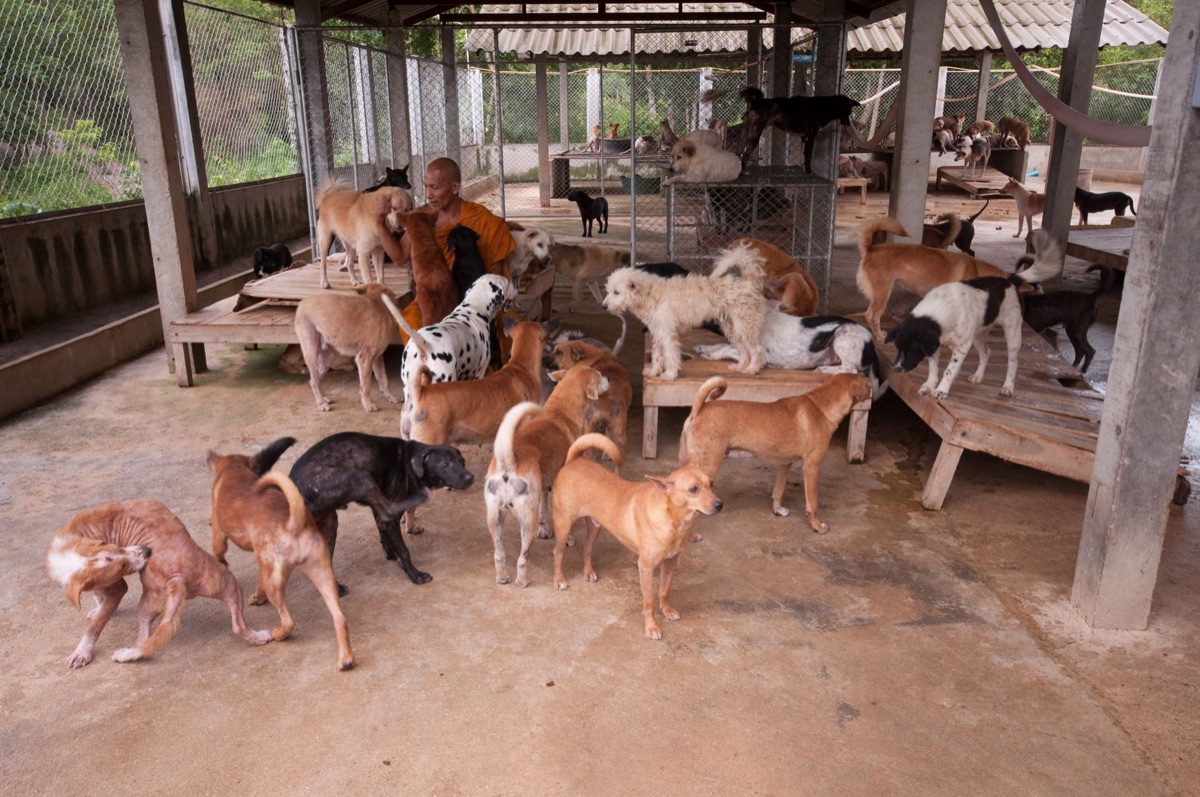
How do puppy mills fuel the cycle of abuse?
A cold, metal cage rattles in a dark warehouse as a mother dog cries for her litter. This scene is the daily reality for animals living in high-volume commercial breeding facilities. The Nuffield Council reports that global annual estimates range from 50 to 100 million animals.
Puppy mills are commercial operations that prioritize profit over the health and well-being of animals. These facilities focus on mass-producing specific breeds to meet consumer demand, often resulting in poor living conditions and physical neglect.
Because these puppies are often sold "cheaply" to meet high demand, they frequently arrive with genetic issues or health crises. When these unexpected medical emergencies occur, owners who bought on impulse often feel overwhelmed, leading directly to the cycle of pet abandonment.
The ethical cost is high: consumer demand for specific breeds provides the financial incentive for these facilities to continue overbreeding. By choosing to bypass these mills, you strike at the heart of the profit motive that keeps these cycles of exploitation running.
However, these systemic issues may not be immediately visible to someone visiting a facility in person. When I first looked into the logistics of large-scale breeding, I was shocked by how easily individual animal suffering can be masked by high-volume production.
I realized that seeing a clean facility doesn't necessarily mean the animals are being treated ethically. This realization was a turning point in how I view the pet industry.
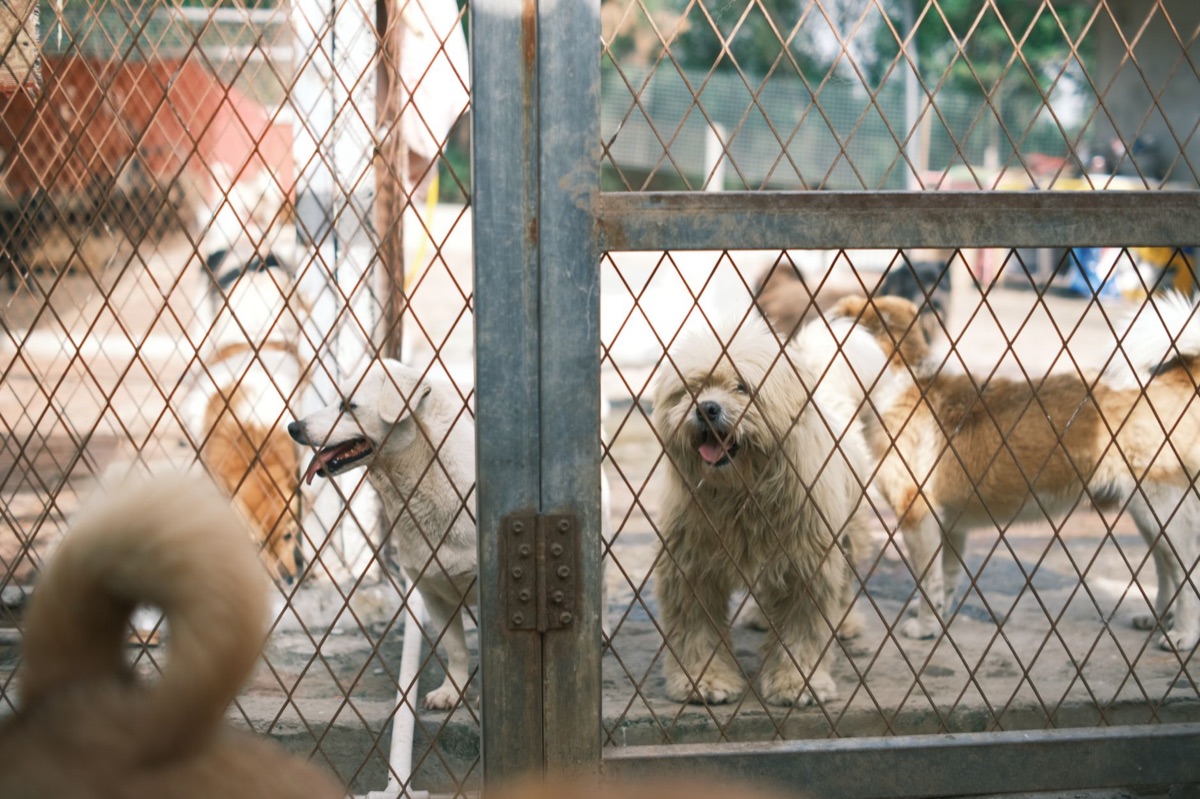
How can consumers identify and avoid puppy mills?
I remember walking into a small, brightly lit pet store in a suburban shopping center and feeling an immediate sense of unease when I saw the lack of space for the animals. That gut feeling was my first lesson in spotting a potential mill-sourced animal.
According to the USDA, in 2016 501,560 animals (61%) (not including rats, mice, birds, or invertebrates) were used in procedures that did not include more than momentary pain or distress.
You can avoid supporting these facilities by watching for specific red flags. The first is a total lack of transparency regarding the breeding environment or the health of the parent animals. If a seller cannot show you where the mother lives or refuses to discuss her history, walk away.
Another red flag is the ability to purchase any breed at any time without meeting the animals in a domestic setting. If the "breeder" seems more like a salesperson than a caretaker, they are likely part of a mass-production chain.
To protect yourself and the animals, use this "Sanctuary Check" list when meeting a potential source:
- Request a facility visit: Ask to see where the breeding dogs live and how they are cared for.
- Inspect the mothers: Ensure the parent animals are healthy, clean, and not kept in cramped or unsanitary conditions.
- Verify documentation: Ask for veterinary records, vaccination history, and microchip information.
- Ask about temperament: A responsible breeder should be able to describe the personality of the parents.
| Feature | Ethical Breeder/Rescue | Puppy Mill Red Flag |
|---|---|---|
| Environment | Domestic, clean, socialized | Cramped, industrial, or hidden |
| Transparency | Openly shows parents and history | Hides breeding area or refuses questions |
| Availability | Limited litters, focus on health | "Any breed, any time" availability |
| Vetting | Asks you questions about your home | Focuses only on the sale/transaction |
This approach may not work if a seller is highly skilled at mimicking the appearance of a small-scale home breeder. When I went to meet a potential seller, I found that asking pointed questions about genetic history was much more effective than just looking at the environment.
I learned that a breeder's reluctance to show me their living space was a major red flag. But even a perfect breeder can lead to a crisis if the owner isn't prepared.
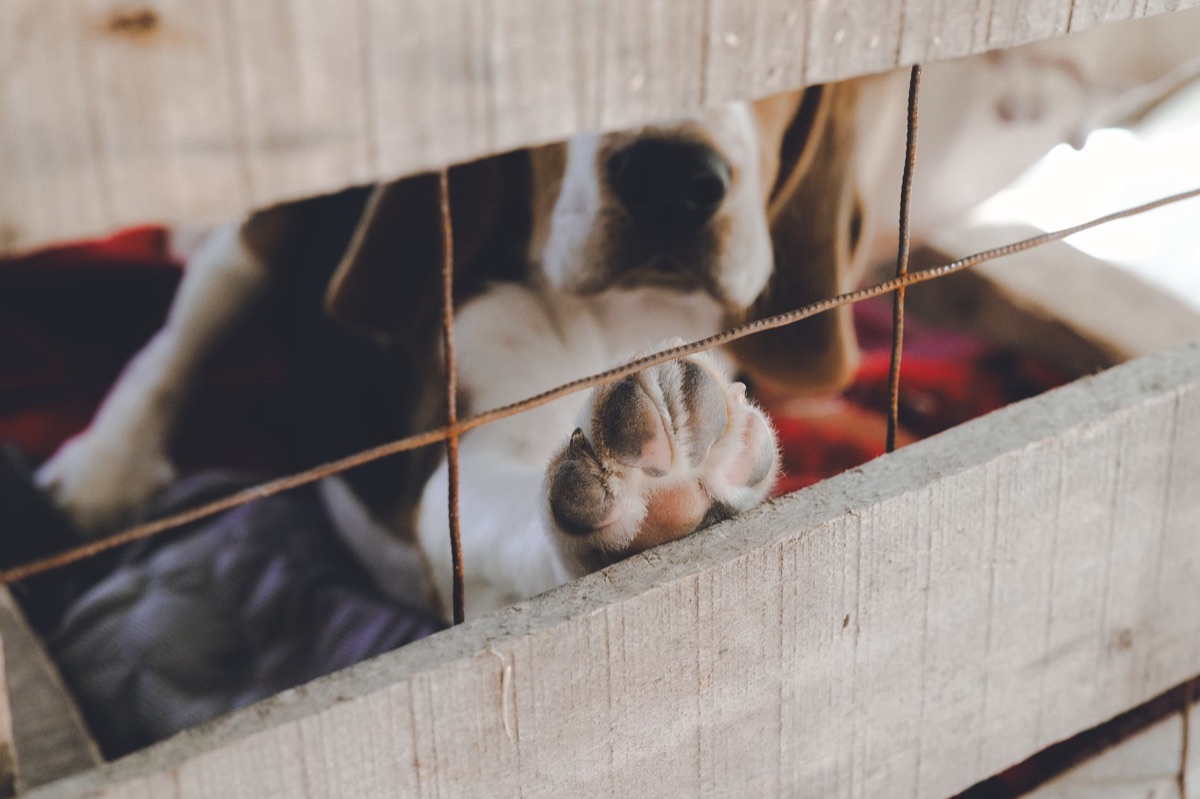
Why does pet abandonment happen and how can we prevent it?
A person sits on a couch, looking at a chewed-up shoe and a much-needed vet bill, feeling a sudden, overwhelming urge to give the puppy away. This moment of crisis is often the result of decisions made months earlier.
According to the FDA, over 90% of drugs that appear safe and effective in animals do not go on to receive FDA approval in humans predominantly due to safety and/or efficacy issues.
Pet abandonment often stems from the "impulse buy" trap, where the emotional high of getting a new pet overshadows the reality of long-term responsibility. Common causes of abandonment include lack of training, unexpected medical costs, sudden lifestyle changes, or behavioral issues.
To prevent this, you must move beyond the honeymoon phase and plan for the "whole life" concept, understanding that a pet is a 10-15 year commitment.
Before bringing an animal home, go through this pre-adoption checklist to ensure you are ready:
- Budget Assessment: Calculate the total cost of food, grooming, and emergency veterinary care.
- Space and Time Check: Ensure your living situation and daily schedule allow for regular exercise and socialization.
- Lifestyle Compatibility: Determine if the breed's energy level matches your actual daily activity.
- Growth Expectations: Prepare for the transition from puppyhood to adulthood, including behavioral shifts.
These preventative measures might not be sufficient in cases of sudden, unavoidable life crises. When I witnessed a neighbor struggle with a sudden move, I saw how quickly even the best intentions can fail without a support network.
It taught me that prevention requires more than just education; it requires community resources. However, knowing the risks is only half the battle.

What are the best alternatives to buying from a breeder?
Walking into a local animal shelter, the sound of many different barks echoing off the walls can be overwhelming, but it is also a place of hope. Many of the animals here are waiting for a second chance after being victims of the very cycles we aim to prevent.
The most impactful alternative to purchasing is adoption. Choosing to adopt saves lives by providing homes to animals in shelters and rescue organizations. If you are looking for a specific breed, consider breed-specific rescues.
These organizations often specialize in the unique needs of certain types of dogs and can help you find a compatible companion.
Adopting from a rescue or shelter is a powerful way to reduce the market demand that fuels puppy mills. When you adopt, you are actively choosing to break the cycle. For those who are unsure of their readiness, fostering is an excellent option.
Fostering allows you to test compatibility with a pet's needs before making a permanent, lifelong commitment.
Adopting an older animal may not suit everyone's lifestyle or specific needs. When I decided to adopt a senior dog instead of a puppy, I was surprised by how much easier the transition was due to their established temperament.
I would suggest that anyone considering this should first assess their ability to manage an animal with existing medical needs. But how do we build a world where these tragedies are less common?
How can we promote a culture of animal welfare and responsible ownership?
A child sits on the floor, patiently brushing a dog's coat while an adult explains why the dog needs water and rest. This quiet moment of teaching is where the future of animal welfare begins.
According to the Nuffield Council on Bioethics, global annual estimates range from 50 to 100 million animals.
Promoting a culture of welfare requires both individual action and community engagement. Education is the first line of defense; teaching children and adults about the realities of pet care prevents the "disposable pet" mentality.
On a larger scale, supporting legislation and advocating for stricter laws against puppy mills ensures that animal welfare standards are enforced across the country.
To maintain a responsible ownership environment, focus on these daily habits:
- Routine Veterinary Care: Regular check-ups help catch health issues before they become crises.
- Mental and Physical Stimulation: Prevent behavioral issues through consistent exercise and enrichment.
- Socialization: Ensure pets are well-adjusted to humans and other animals to prevent anxiety-driven abandonment.
- Community Involvement: Support your local shelters through volunteering or donations to help manage the population of animals in need.
By practicing these habits, you help create a society where pets are seen as family members rather than commodities.
Individual efforts may have a limited impact if local laws do not support animal welfare standards. When I started participating in local community workshops, I noticed that people are much more willing to change their habits when they see practical examples of responsible care.
I found that leading by example is often more persuasive than simply lecturing others.
Related



Comments 0