Dog Size Matters: Tailoring Care for Small vs. Large Breeds
Understanding that size dictates lifestyle needs, not just companionship.
Choosing between a tiny Chihuahua and a massive Great Dane isn't just about how much space your living room has; it is about matching your daily rhythm to a biological blueprint. A dog's physical frame dictates its health risks, its energy output, and how it views the world around it.
* Activity vs. Scale: Activity levels must be matched to the dog's potential and size, not just breed stereotypes. * Health Focus: Large breeds require proactive orthopedic and cardiac monitoring; small breeds need vigilance regarding dental disease. * Training Nuance: Basic commands are universal, but socialization windows and physical outlets differ significantly between sizes. * Gear Matters: Equipment like leashes and harnesses must match the specific body structure of the dog to prevent injury.

Why does size dictate the rules of the game?
On a Saturday morning in 2025, I sat on a park bench in Central Park, watching two very different worlds collide.
A Golden Retriever owner was bracing against a 75-pound pull, while a woman with a 5-pound Pomerania sat perfectly still, her tiny companion vibrating with enough energy to power a small city.
The difference in physical presence was immediate.
The skeletal development of a puppy is the foundation of its adult life. In large breeds, the growth phase is a delicate balance; pushing too much weight or high-impact jumping on a growing Great Dane can lead to permanent joint issues.
In 2026, veterinary consensus remains that managing growth plates in giant breeds is the single most important factor in their longevity.
In contrast, small breeds reach maturity much faster, but their bones are often more fragile and prone to fractures from even minor accidents. Activity needs must be viewed through the lens of joint load.
For a large dog, exercise should often focus on controlled, medium-impact movement to protect heavy limbs. For a small dog, the risk is often overheating.
Because they have a higher surface-area-to-mass ratio, they lose heat quickly but can also overheat rapidly during intense bursts of play. Dental health is another silent battleground.
Small breeds often face much higher risks of dental disease because their teeth are crowded into smaller jaw spaces. In large breeds, while dental issues occur, the sheer size of the mouth often makes manual cleaning more manageable—if you have the strength to do it.
But physical size is only half the battle; the mental landscape is just as different.
How do temperament and size collide?
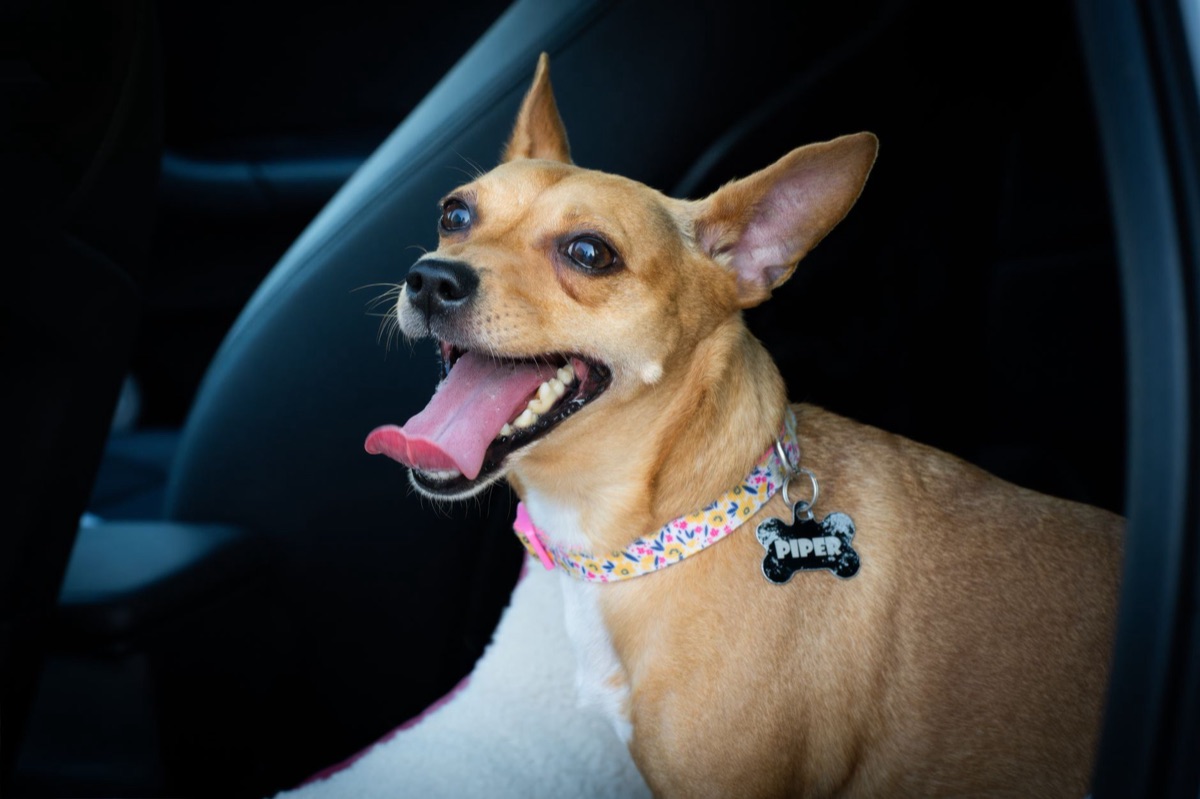
Sitting on a cafe patio in downtown Seattle in the late afternoon, I noticed how a tiny Jack Russell Terrier reacted to a passing delivery truck compared to a Labrador. The small dog's reaction was explosive and vocal, whereas the Labrador simply watched with a heavy, rhythmic tail wag.
Socialization protocols must be tailored to the power dynamic of size. When introducing a tiny dog to a much larger dog, the primary concern is physical safety and the "prey drive" instinct. You cannot treat a meeting between a Yorkie and a Mastiff the same way you would two medium-sized dogs.
Energy release profiles also vary. Some small breeds have "high-drive" personalities that require intense mental stimulation to prevent them from becoming neurotic.
Large breeds often have a different kind of energy—sustained endurance that needs to be burned off through long, structured walks to prevent destructive behaviors at home.
Anxiety triggers look different depending on the frame. Small dogs might internalize stress, becoming hyper-vigilant or hiding, whereas large dogs might express anxiety through territoriality or physical displacement of furniture.
Bonding with a small dog often involves more tactile, close-proximity interaction, while bonding with a large dog requires learning to respect their physical space and boundaries.
However, knowing the personality isn't enough if you haven't mastered the logistics of care.
How do I manage the daily needs of a small dog?
In my own apartment in 2025, I noticed that keeping a small dog active requires a different kind of planning than a backyard-dwelling breed. You can't just "let them out" to get their energy out; they need structured engagement.
* Activity Management: Focus on "burst activity." Small breeds often thrive on short, intense periods of play followed by long rest periods. * Grooming & Parasite Control: Because they are closer to the ground, small dogs are more susceptible to certain environmental parasites and coat debris. Regular brushing is essential to prevent matting in long-haired varieties. * Daily Essentials: Use harnesses rather than collars for many small breeds to prevent tracheal collapse, a common physical vulnerability in toy breeds. * Activity Scheduling: Structure walks to include sniffing opportunities. For a small dog, a -15-minute "sniffari" can be as mentally exhausting as a 45-minute power walk.
| Feature | Small Dog Focus | Large Dog Focus |
|---|---|---|
| Primary Health Risk | Dental & Tracheal issues | Joint & Cardiac issues |
| Exercise Type | High-intensity bursts | Sustained endurance |
| Space Needs | Vertical/Indoor friendly | Floor space/Large beds |
| Grooming Focus | Hair/Skin/Teeth | Joint support/Coat health |
While these tactics work for the little ones, the giants require an entirely different philosophy.
How do I prevent issues with a large dog?
When I visited a friend who owns a German Shepherd in 2026, the first thing I noticed wasn't the dog's size, but the specialized furniture. There were no cheap folding beds; there were heavy-duty orthopedic mats designed to support massive frames.
* Joint & Musculoskeletal Support: Proactive management is key. Use orthopedic beds that support the entire body weight to prevent pressure sores and joint inflammation. Avoid letting large-breed puppies run on hardwood floors or jump excessively to protect growing joints. * Feeding & Digestion: Large breeds often have different caloric needs and slower digestion rates. Use slow-feeder bowls to prevent bloat (GDV), a life-threatening condition where the stomach twists. * Physical Boundaries: Ensure your home has "escape-proof" gates. A large dog's accidental bump can knock over a child or an elderly resident. * Scheduled Rest: Large dogs need significant downtime. Ensure they have a dedicated, quiet space where they won't be disturbed, as their rest periods are vital for physical recovery.
It is easy to get lost in the specifics, but mistakes are often made by ignoring the basics.
What are the most common mistakes to avoid?
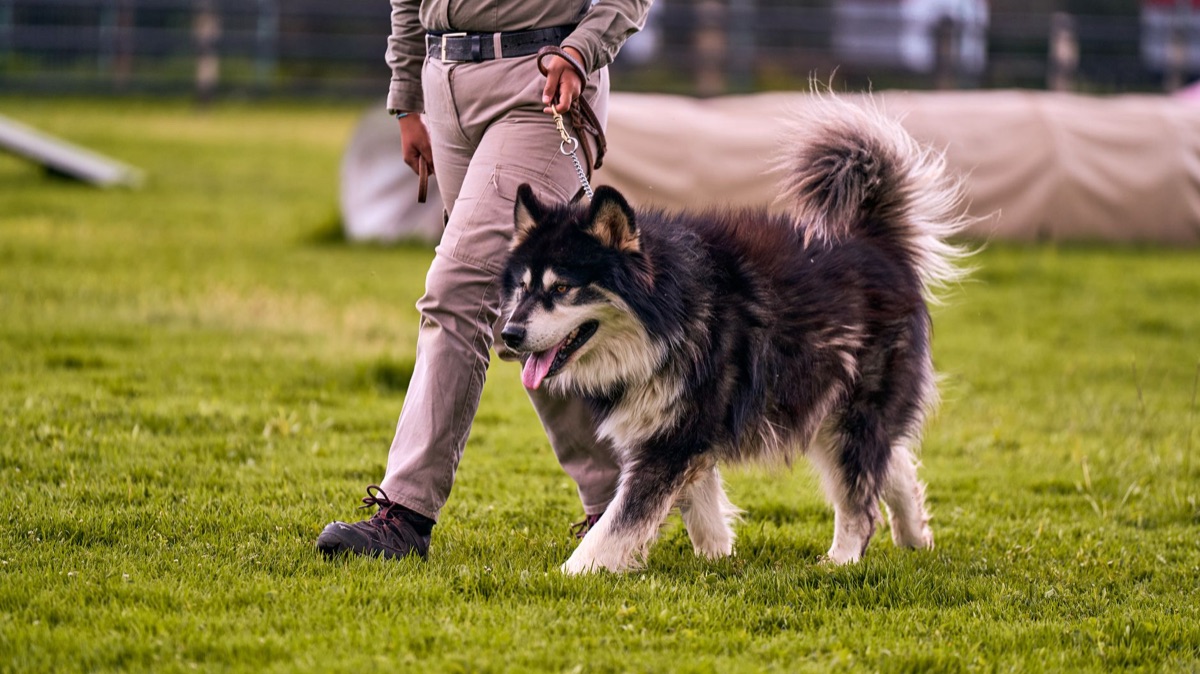
One of the most frequent mistakes is treating a large dog like a small dog by ignoring their physical boundaries. If you allow a 90-pound dog to jump on guests because "they're just friendly," you are setting the stage for an accident.
Conversely, treating a small dog as if they are "tougher" than they are—such as forcing them to walk long distances on pavement—can lead to immediate physical injury.
Another mistake is the "one size fits all" approach to gear. Using a standard collar on a dog prone to tracheal collapse is a recipe for a vet visit. Always match the hardware to the anatomy.
While these rules cover most scenarios, they do not account for individual health quirks or specific breed anomalies that might require custom veterinary intervention.
How do I implement a size-specific care plan?
To ensure your dog lives a long, healthy life, follow these size-specific guidelines:
- Assess the Frame: Identify if your dog's primary needs are joint-related (large) or respiratory/dental-related (small).
- Match the Environment: Ensure your home setup (beds, gates, bowls) matches the dog's physical scale.
- Tailor the Exercise: Use bursts for small dogs and endurance for large dogs to prevent burnout or injury.
- Monitor Growth: For puppies, strictly control activity levels based on their specific growth trajectory.


Comments 0