Dog Grooming 101: Essential Tools and Maintenance Cycles
Stop guessing with your pet's coat; learn how to match specific grooming frequencies and professional-grade tools to your dog's unique hair type for optimal skin health.
Mastering grooming starts with understanding that a Husky requires a completely different toolkit than a Maltese. By matching your grooming frequency to their specific coat type and using the right tools, you prevent painful mats and skin irritation.
* Match grooming frequency to coat type (Double coat vs. Single coat vs. Curly). * Invest in breed-specific tools like slicker brushes, deshedders, and combs to prevent skin irritation. * Balance professional grooming intervals with daily home maintenance to prevent matting and skin issues.

How should I categorize grooming based on coat type?
The sun beats down on a Golden Retriever in a backyard in Austin, Texas, as a thick cloud of golden fur drifts through the air like autumn leaves. It is 2:00 PM on a Tuesday in July 2026, and the heat makes the shedding feel even more relentless.
You realize that if you don't own a high-quality vacuum and a heavy-duty deshedding tool, your living room will soon look like a dog lived there permanently.
Understanding coat categories is the first step to managing the mess. If you treat a Poodle like a Beagle, you will end up with a tangled mess or a bald dog.
Double Coat (Husky, Golden Retriever, Pomeranian): These breeds have a soft undercoat and a coarser topcoat. The focus must be on heavy deshedding, especially during seasonal shedding in spring and autumn.
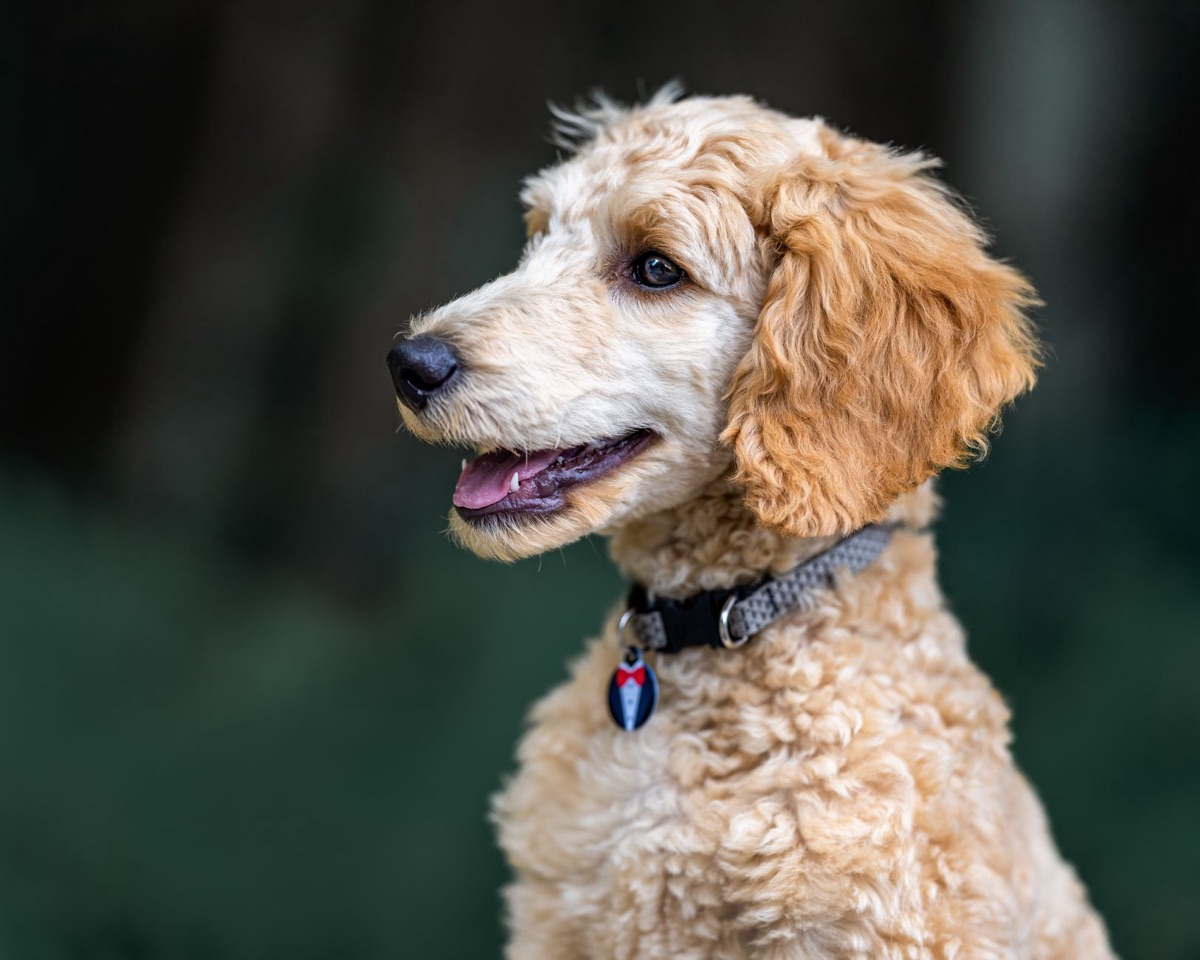
Single Coat (Poodle, Maltese, Bichon Frise): These dogs lack a thick undercoat. The focus is on preventing mats and tangles. Because their hair grows continuously, frequent brushing is required—usually daily or every two days.
Wire/Curly Coat (Terriers): These breeds often require texture maintenance to keep their "look" and frequent sanitary clips to prevent debris buildup.
Short/Smooth Coat (Beagle, Pug): These breeds have hair that sits close to the skin. The focus is on managing skin oils and weekly brushing to remove loose hair that accumulates.
Knowing which category your dog falls into determines whether you need a rake or a fine-tooth comb.
What are the essential grooming tools for each breed category?
A heavy metal comb clatters onto a wooden floor in a quiet living room as a frustrated owner realizes they cannot find the knots in their dog's long hair. The tool they chose was too coarse, and now the dog is too stressed to continue.
Choosing the right tool is the difference between a relaxing spa day and a grooming disaster.
The Deshedding Kit (For Double Coats): For breeds like Huskies or Labs, use undercoat rakes and specialized deslays (such as a Furminator-style tool) twice a month. These reach through the topcoat to pull out the loose undercoat before it ends up on your rug.
The Slicker & Metal Comb Duo (For Curly/Long Hair): For Poodles or Bichons, use a slicker brush to add volume and distribute oils, then follow up with a metal comb. The metal comb is essential to check for "hidden mats" near the skin that the slicker brush might miss.
The De-matting Tool vs. Scissors: Never use kitchen scissors to cut out a knot. Specialized de-matting tools are designed to gently break up tangles. Using manual scissors often leads to "clipper burn" or accidental skin nicks.
Rubber Brushes/Shedding Gloves: These are best for short-haired breeds like Beagles. They provide a gentle massage to the skin while lifting loose fur without the risk of scratching.
| Coat Type | Primary Tool | Secondary Tool | Frequency |
|---|---|---|---|
| Double Coat | Undercoat Rake | Deshedding Tool | 1-2x Weekly |
| Single/Curly | Slicker Brush | Metal Comb | Daily |
| Short/Smooth | Rubber Brush | Damp Cloth | Weekly |
But having the tools is only half the battle; you also need a schedule.
What is the ideal grooming cycle for different breeds?
A professional groomer in a busy Seattle suburb wipes down a workstation after a particularly difficult session with a heavily matted Doodle. The dog's owner looks at the calendar, wondering if they should have come in three weeks earlier.
The "ideal" cycle depends on how fast the hair grows and how much it tangles.
High-Maintenance Breeds (Poodles/Doodles): These dogs typically need professional grooming every 4–6 weeks. Without daily home brushing to prevent mats, the hair will tighten against the skin, becoming painful.
Moderate-Maintenance Breeds (Spaniels/Setters): These breeds often require professional grooming every 8 weeks. They need weekly deep brushing to manage the hair's texture.
Low-Maintenance Breeds (Labs/Beagles): These dogs might only need professional grooming every 3–4 months for nail trims or ear cleaning. However, they still require bi-weekly brushing to manage shedding.
The "No-Poo" (Non-shedding) Myth: It is important to understand that "non-shedding" does not mean "no-maintenance." These dogs still require regular hair trimming to prevent eye irritation and hygiene issues.
A dog that isn't groomed regularly will eventually face skin issues that cost far more at the vet than a grooming appointment costs at the salon.
But how do you handle the actual process at home?
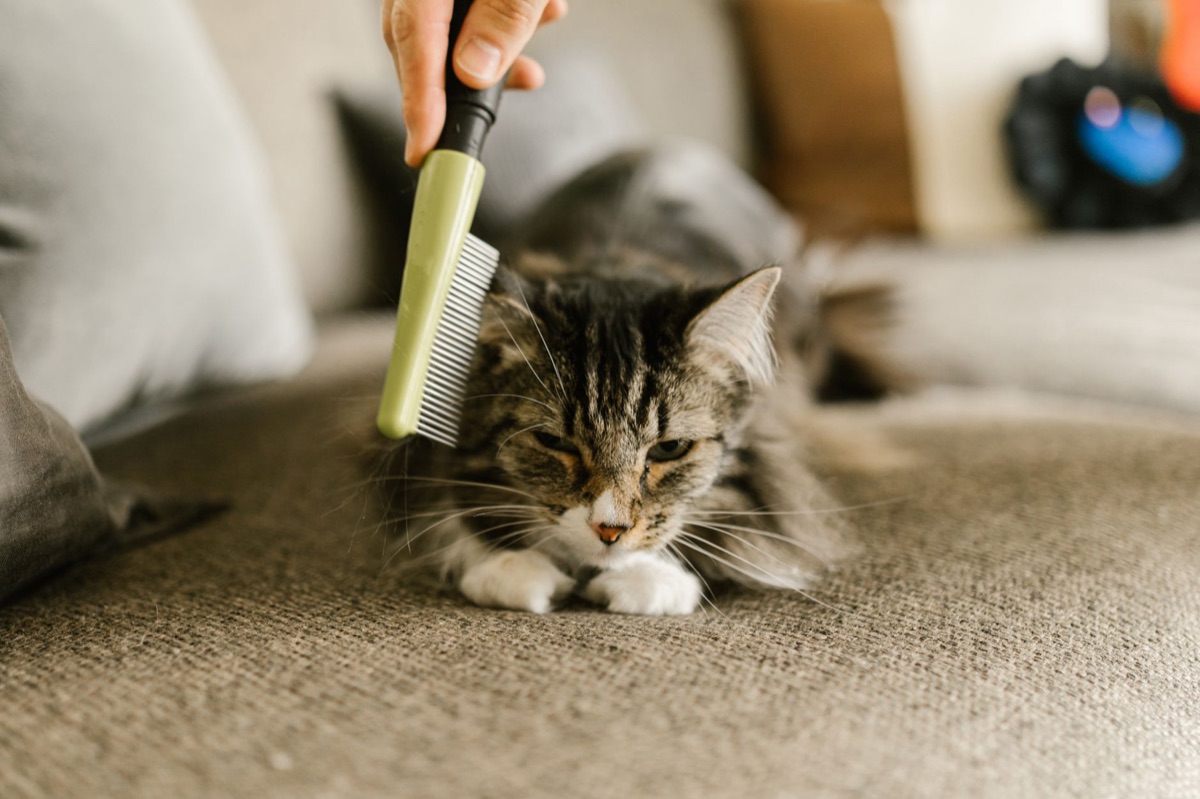
How do I perform effective grooming at home without causing stress?
A small terrier squirms in a living room in suburban Virginia, glancing nervously at a plastic brush. The owner reaches for a treat, knowing they must turn this moment into a win.
Grooming should be a bonding experience, not a battle of wills.
- Preparation: Gather all tools, brushes, and high-value treats before you approach the dog. This prevents "tool-avoidance" behavior caused by you constantly getting up and coming back.
- The "Top-Down" Approach: Start with less sensitive areas like the tail or hindquarters. Move toward the face and belly only after the dog is calm.
- Checking the Skin: As you brush, use the opportunity to inspect the skin. Look for redness, bumps, or parasites. The brush is your diagnostic tool.
- Positive Reinforcement: Provide immediate rewards. If the dog sits still for a brush stroke, they get a treat. This associates the tool with a positive outcome.
If a dog becomes aggressive or extremely fearful, stop. Forcing a grooming session can lead to long-term behavioral issues.
But even with the best technique, mistakes are easy to make.
What are the common mistakes to avoid during grooming?
The scent of lavender shampoo fills a bathroom, but the dog looks itchy and uncomfortable. The owner realizes they have been washing the dog far too often to make them smell "clean."
Avoiding these common pitfalls will save your dog's skin and your wallet.
Over-bathing: Washing too frequently strips natural oils, especially in double-coated breeds. This causes dry, itchy skin and can lead to dermatological issues.
Ignoring the Undercoat: This is a major danger. If you only brush the top layer of hair, the loose undercoat stays trapped against the skin, creating "pellet mats" that are nearly impossible to remove.
Improper Tool Pressure: When using deshedding tools, do not press hard. These tools are designed to catch hair, not to dig into the skin. Excessive pressure causes micro-abrasions.
Neglecting Ear/Nail hygiene: Grooming isn't just about hair. If you neglect ear cleaning and nail trimming during your grooming sessions, you miss vital health checks.
One study published in *PloS one* (2025) noted that over one-third (37.3%) of caregivers found living with a puppy harder than expected, often due to the challenges of managing physical needs and interactions. Proper grooming training helps mitigate these early-life challenges.


Comments 0