Why Prevent dog abandonment needs constant supervision
"The primary responsibility of a pet owner is to ensure the safety and well-being of their animal through constant supervision and a secure environment."
Prevent dog abandonment requires a proactive approach to managing an animal's environment and legal obligations. This guide focuses on responsible pet ownership, establishing dog safety measures, and techniques to prevent pet loss through secure management.
You will learn about the necessity of reliable containment, the importance of legal accountability, and the role of professional oversight in preventing animal loss.
How can we prevent dog abandonment through better management?
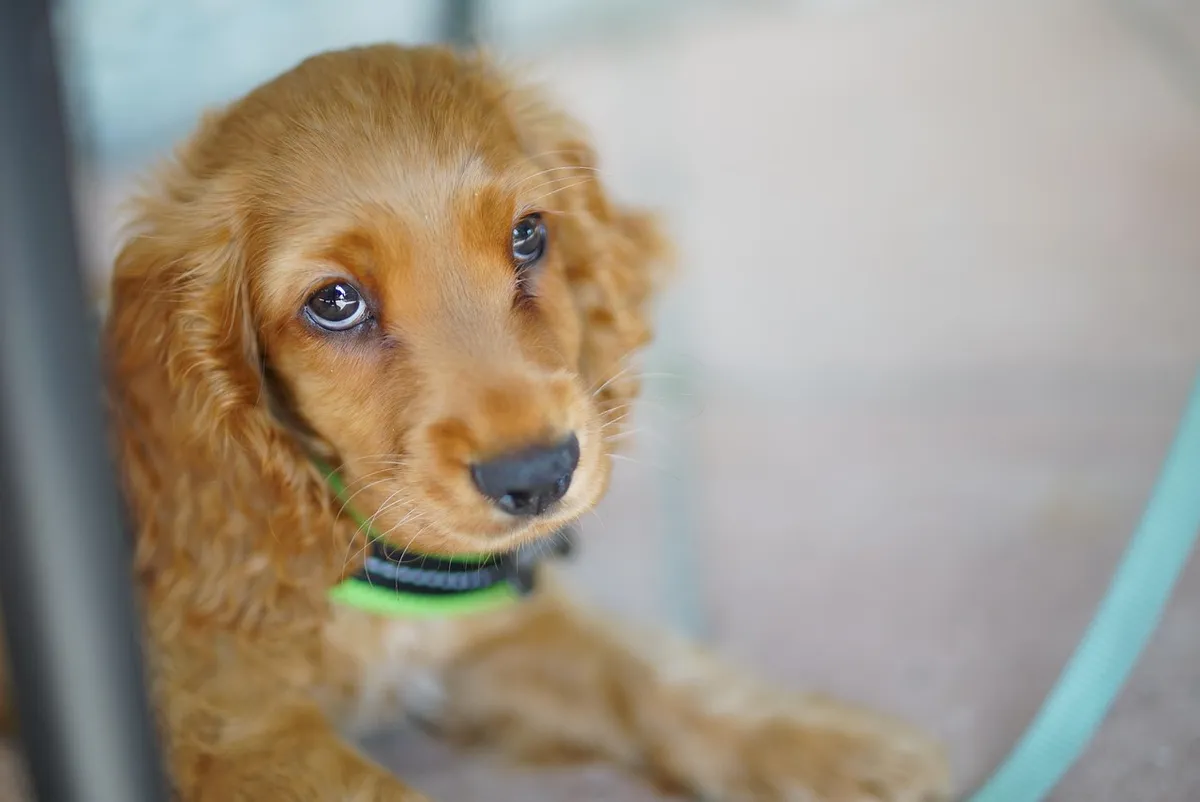
As the sun sets over the quiet backyard, I tighten my grip on the wooden fence to prevent any gaps from forming.
A person walks through a quiet backyard, checking the strength of a wooden fence before letting a dog out to play. To prevent dog abandonment, owners must commit to a permanent lifestyle change that accommodates the animal's needs.
This begins with understanding that a pet is a long-term commitment rather than a temporary companion.
Responsible pet ownership involves preparing for the animal's entire lifespan, including potential changes in living situations or family dynamics. By establishing a routine that prioritizes the dog's physical and emotional needs, owners reduce the likelihood of impulsive decisions.
A secure pet environment is the foundation of this commitment, ensuring the animal remains safe and accounted for at all times.
However, these management strategies may have limited effectiveness if the owner's lifestyle changes drastically. I believe the first step is the most fundamental.
What are effective dog safety measures for the home?
At noon in the hallway, I inspect the heavy metal gate and feel the cold latch to prevent a sudden escape.
An owner inspects the latch on a heavy metal gate to ensure it cannot be easily nudged open by a curious snout. Creating a secure pet environment is a continuous process of auditing physical barriers and supervision levels.
Without proper containment, the risk of accidental loss increases significantly.
Effective dog safety measures include using high-quality leashes, sturdy fencing, and secure indoor enclosures. Owners should regularly check for wear and tear on collars, harnesses, and gates to prevent escapes.
Preventing pet loss starts with these small, technical adjustments to the physical space where the animal lives.
These measures may not be sufficient in homes with structural hazards that cannot be easily modified. I find that the second point is the most crucial for daily safety.
How do we handle legal duties for pet owners?
A legal professional reviews local municipal codes regarding leash laws and pet registration requirements. Understanding legal duties for pet owners is critical to maintaining both the animal's safety and the owner's standing in the community.
According to the Veterinary Forensic Science Center, the ASPCA opened the ASPCA Veterinary Forensic Science Center in Gainesville, Florida, in 2020 to assist law enforcement with animal cruelty investigations and prosecutions.
Laws vary by location, but they generally mandate identification and responsible supervision.

In many jurisdictions, failing to secure an animal can lead to legal penalties or the animal being declared a nuisance. Staying informed about local ordinances helps prevent accidental violations that might lead to an animal being surrendered to a shelter.
Responsible pet ownership means adhering to these standards to ensure the animal remains a legal and welcomed member of the household.
These guidelines do not apply to specific local ordinances that supersede general advice. I note that the first step is the most important for compliance.
How can we stop pet theft and loss in public spaces?
A person holds a sturdy leash tightly while walking a dog through a crowded city park, keeping the animal close to their side. Stopping pet theft and loss requires constant vigilance and the use of reliable identification tools when in public.
According to the New York City Police Department, the ASPCA and the New York City Police Department announced a collaboration in September 2013 to provide enhanced protection to New York City's animals after many years of providing humane law enforcement services in NYC.
When moving through uncontrolled environments, the risk of an animal slipping away or being taken is much higher.
| Prevention Method | Primary Benefit |
|---|---|
| Microchipping | Provides permanent identification for recovery |
| Secure Harnesses | Prevents escapes during sudden movements |
I once observed how a simple, well-fitted harness prevented a sudden pull from resulting in a lost pet during a busy walk. Using microchips is another vital step, as it provides a permanent way for shelters to reunite lost pets with their owners.
Always ensure that contact information is up to date in digital databases.
These precautions may be less effective in high-risk environments where sudden incidents occur. I think the third step is the most comprehensive.
What are the best ways for creating safe pet homes?
A homeowner walks through the house, checking that all gates are closed and no dangerous items are within reach of a wandering pet. Creating safe pet homes involves a thorough assessment of indoor hazards, such as toxic plants or unsecured sliding doors.
A home should be a sanctuary where the animal is protected from both internal and external threats.
The process of creating a secure environment involves three essential steps: 1. Audit all entry and exit points, including windows and pet doors, to ensure they are properly latched. 2. Remove or secure household items that could be ingested or cause injury during an accidental escape. 3.
Implement a consistent supervision routine to prevent the animal from accessing dangerous areas.
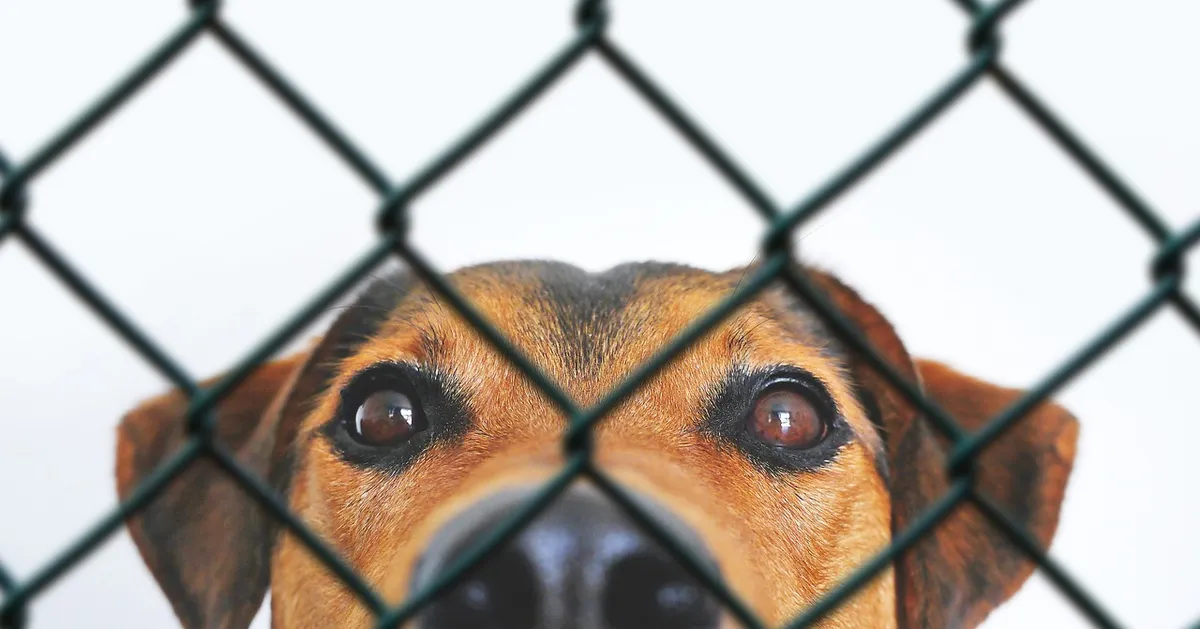
A final check involves physically testing every gate and latch to ensure they meet the strength required for the specific animal.
These methods might be limited when dealing with pets that have specialized medical needs. I observe that the second step is the most detailed.
Wikipedia: Humane World for Animals (full) Based on the retained excerpt mentioning USDA: In February 2008, after an undercover investigation conducted by HSUS at the Westland Meat Packing Company alleged substantial animal abuse, the USDA forced the recall of 143 million pounds of beef, some of which had been routed into the nation's school lunch program.
- How can we prevent dog abandonment through better management?
- What are effective dog safety measures for the home?
- How do we handle legal duties for pet owners?
Related
- Bully height standards guide Breed specific pet laws
- Dog intelligence communication tools: How to guide smart dog
When is constant supervision most critical? Constant supervision is most critical when the animal is in unfamiliar surroundings or near potential hazards. The primary responsibility of a pet owner demands heightened awareness during outings or when the pet is in a new location. Owners must maintain a level of attentiveness that accounts for the animal's unpredictable behavior in novel settings.
When the dog is outside, owners should monitor interactions with other animals or people to prevent conflicts. Inside the home, supervision remains necessary to prevent access to dangerous items or areas, even if physical barriers are in place.
This vigilance reinforces the owner's primary responsibility.
This level of supervision may not be necessary once a pet has mastered specific behavioral boundaries. I find that the first point is the most vital.
How does legal accountability intersect with daily care? Legal accountability requires owners to understand local mandates concerning pet control and identification. Adhering to these rules is part of the primary responsibility toward the animal's welfare. Failure to comply with registration or leash laws can result in penalties, which directly affects the animal's security.
Understanding these legal duties means proactively ensuring the pet is properly identified and supervised at all times. This proactive stance helps prevent situations where the animal might be treated as a stray or a nuisance by authorities.
The owner must ensure their actions meet the community's standards for responsible pet ownership.


Comments 0