New puppy first walk routine: Tips for 8 to 12 weeks
"The window for socialization is a fleeting moment that shapes a lifetime of temperament."
A successful new puppy first walk routine begins by understanding the developmental stages and the critical window for social exposure. This guide covers essential socialization timing, managing fear periods, and meeting the goal of diverse environmental encounters.
Key takeaways: * Focus on the socialization window between 4 and 14 weeks. * Monitor behavior during the 8 to 12-week fear period. * Aim for diverse human and environmental exposure early on.
How to start puppy walks during the socialization window?
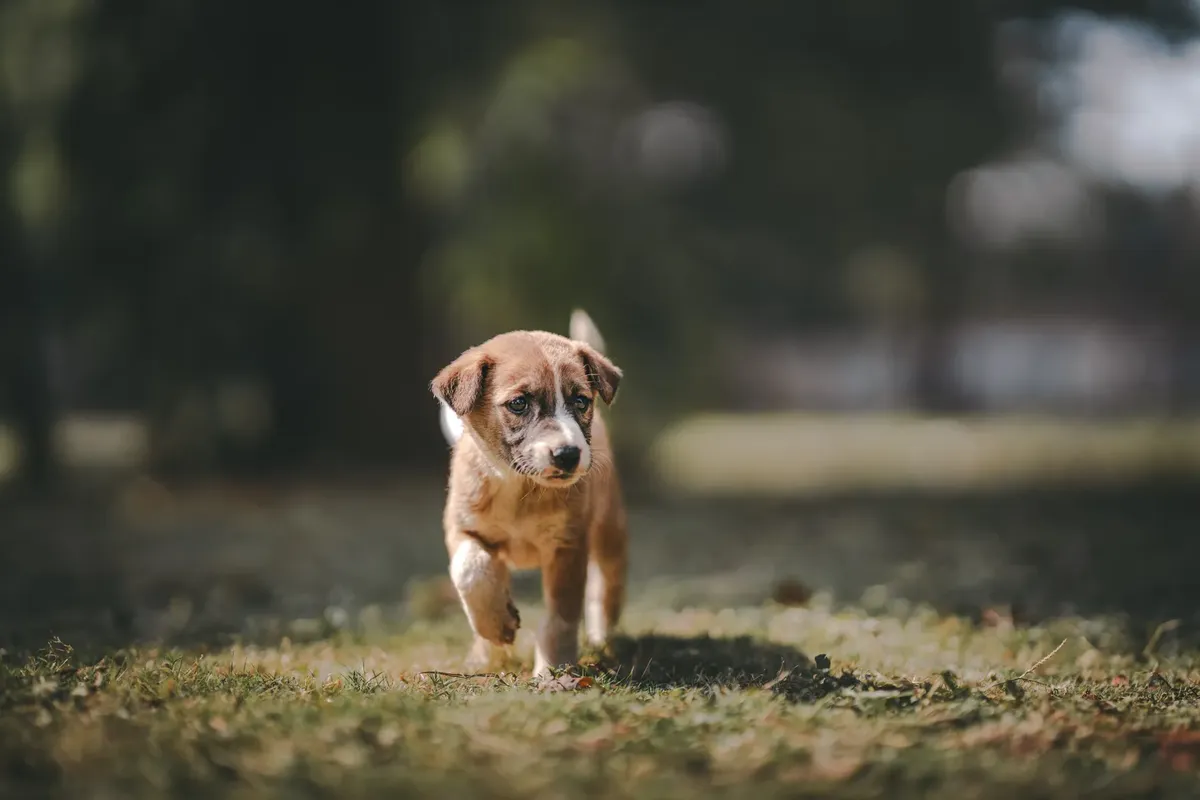
A hand reaches for a leash while a small, energetic animal waits by the front door. The socialization period in a puppy occurs between the ages of 4 weeks and up to 14 weeks of age. This timeframe is vital for establishing a baseline for future behavior and comfort in the world.
Building dog walk habits requires understanding that these weeks are the foundation for all future outdoor activities. Because the socialization period occurs between 4 and 14 weeks, early exposure is key.
This period allows the puppy to form lasting associations with the sights and sounds of the neighborhood.
Puppy walk training tips should focus on gentle, controlled introductions to the world. While the puppy is still young, the goal is to make every outdoor interaction a positive one.
- Begin with short leash walks in controlled, low-distraction areas.
- Introduce various textures like grass, pavement, or gravel underfoot.
- Keep sessions brief to prevent overstimulation.
Why is the 8 to 12-week period important for a first walk for new dog?
A puppy pauses mid-stride, ears twitching at a sudden sound from a passing car. Many puppies also experience a developmental fear period between approximately 8 and 12 weeks of age.
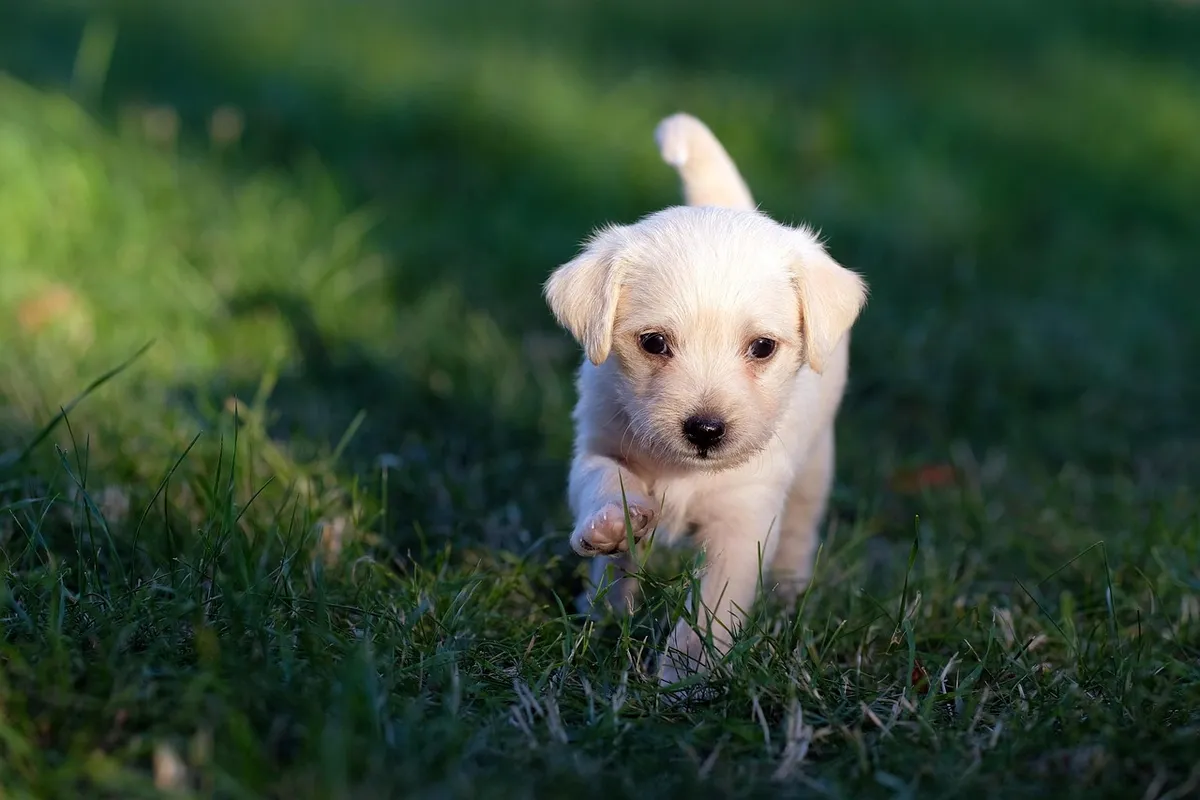
During this time, they may temporarily become more cautious or fearful of previously familiar people, objects, or environments.
When managing a first walk for new dog owners, it is important to recognize that sudden changes in confidence are normal. During this developmental fear period, the puppy might shy away from things they previously liked. This is a natural stage of growth that requires patience and gentle guidance.
Understanding these shifts helps prevent overstimulation. If a puppy becomes hesitant, the routine should adapt to ensure they feel safe while still experiencing the world.
In this sequence, the first step is the most critical for building foundational confidence.
How to handle socialization start with diverse environments?
The leash tension relaxes as the puppy trots happily across a patch of grass. The optimum period for socialization is between eight and twelve weeks.
Professional animal trainers and the American Kennel Club advise puppies should be introduced to "100 People by 12 Weeks" and have encountered a wide and varied selection of people and environments.
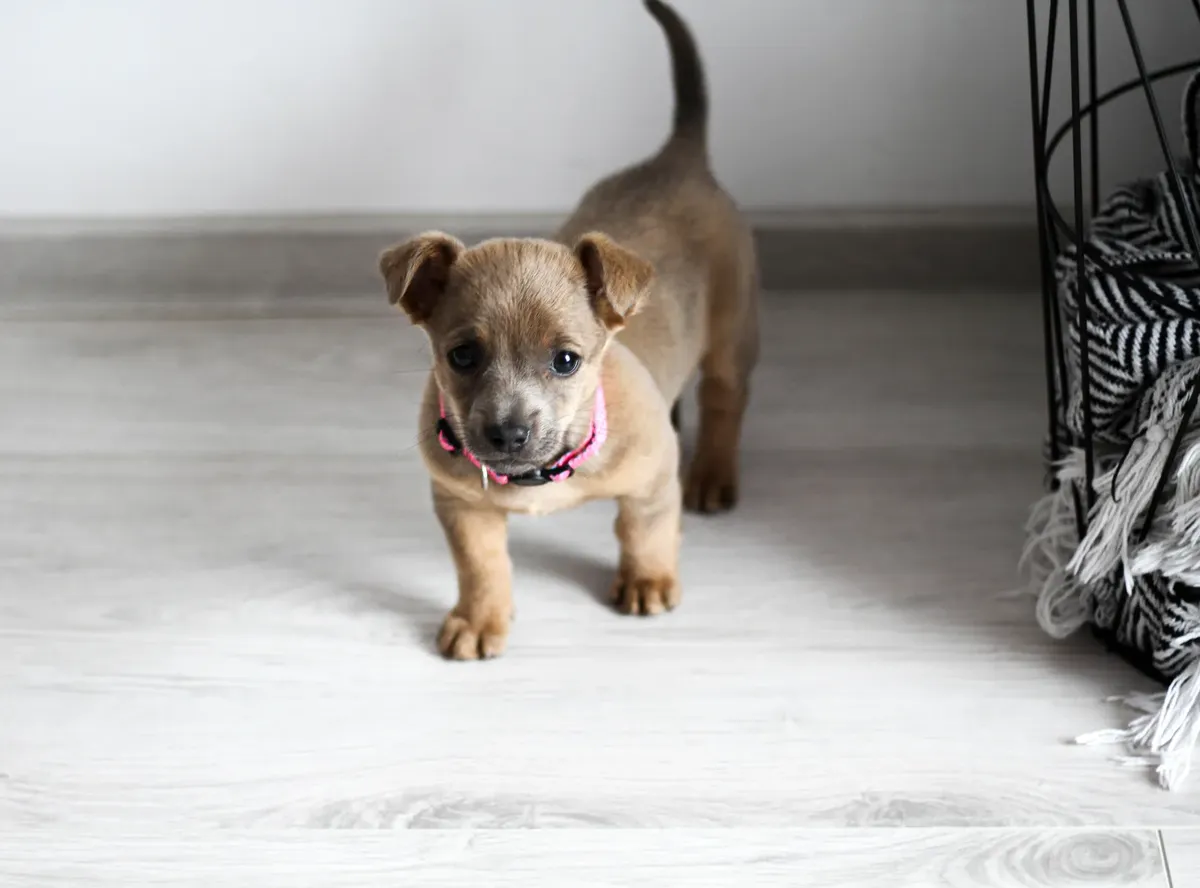
The best way to manage a socialization start is to prioritize variety. The goal is to introduce the puppy to many different types of people and settings to build confidence. Following the advice to meet many people by 12 weeks helps ensure the dog is well-adjusted.
| Goal | Target Age |
|---|---|
| Optimum Socialization | 8 to 12 weeks |
| General Socialization | 4 to 14 weeks |
I remember watching a small puppy navigate a busy sidewalk for the first time, realizing how much the environment affected its gait. Building dog walk habits means balancing these diverse encounters with the puppy's current comfort level.
What are the steps for a puppy exercise routine guide?
A hand holds a small treat, encouraging the puppy to step forward into a new shadow. To establish a healthy lifestyle, owners can follow these steps:
- Start with short, low-intensity sessions to prevent exhaustion. 2. Introduce various textures like grass, pavement, or gravel. 3. Practice leash manners in quiet areas before moving to busier streets.
A final check should ensure the puppy is not overstimulated or overly tired after each session. A puppy exercise routine guide should always prioritize the animal's mental and physical limits.
How to manage the puppy's growth and physical needs?
A weight scale sits in the corner of the room, used to monitor the growing animal. A puppy is a juvenile dog, generally one less than 12–18 months old. Because they are still growing, the physical aspects of their routine must change as they age.
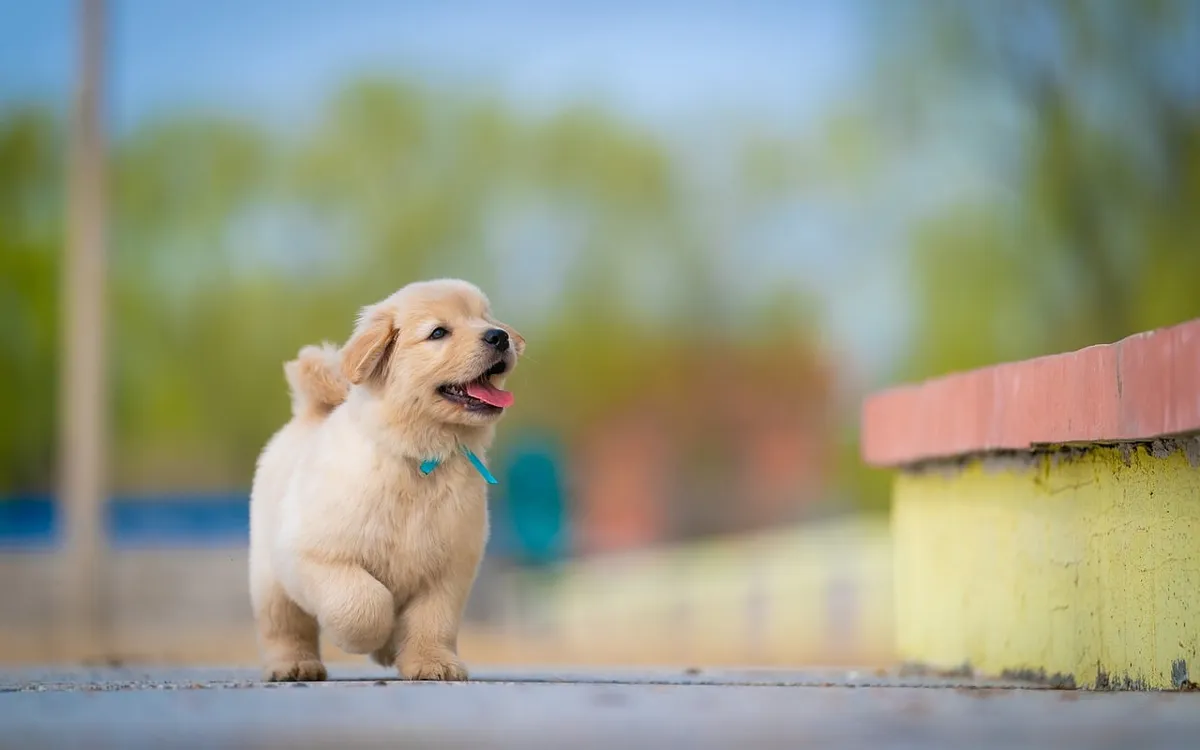
Puppies generally weigh 250–450 grams (8–16 oz) shortly after birth, depending on the breed. As they grow, their energy levels and physical needs will shift significantly. This makes the transition from tiny newborn to active juvenile a period of constant adjustment.
The routine must evolve alongside the puppy's size and strength. What works for a tiny newborn will not work for a growing juvenile.
New puppy first walk routine
The same subject is also called Puppy socialization start.
This part also covers Best first day walk plan.
Related
- Breed size guide: Special breed pet laws and standards
- Why is the right sequence for dog training so important?
How does the socialization window relate to the fear period? The socialization window provides the opportunity for positive experiences, while the fear period presents a challenge to navigate. During the socialization window, owners should actively seek diverse encounters, but the 8 to 12-week fear period requires a more cautious approach to those introductions. When the puppy exhibits fear during this time, the routine must adapt to maintain positive associations despite the developmental caution.
When managing the socialization window, recognizing the fear period's influence is crucial for success. The goal remains diverse environmental exposure, but the delivery of that exposure must be gentle during the 8 to 12-week timeframe.
This careful management prevents negative reinforcement during a naturally uncertain stage of development.
What precautions should be taken during early walks? Owners must ensure the puppy's comfort level dictates the pace of the walk, even when aiming for diverse environments. If the puppy shows signs of overstimulation, the session should conclude promptly, regardless of the planned exposure. A puppy exercise routine guide should always prioritize the animal's current state over a strict schedule.
Monitoring the puppy's behavior during the fear period is a necessary caution. If the puppy becomes hesitant, the introduction to new sights or sounds should be immediately reduced until confidence returns.
This attention to subtle behavioral cues supports the overall goal of successful socialization.


Comments 0