Breed size guide: Special breed pet laws and standards
"Understanding specific breed standards and legal implications is the first step toward responsible ownership."
Navigating the complexities of special breed pet laws requires a clear understanding of physical standards and public safety data. This guide covers size variations, safety statistics, and the responsibilities of managing large-breed dogs.
Key takeaways: * Height standards vary significantly between "pocket" and "XL" types. * Size classifications are measured at the withers. * Specific large-breed types have been linked to significant public safety incidents.
How do size standards define different types?
At dawn in the dusty kennel, I pull the measuring tape tight against the dog's shoulder to confirm it meets the specific breed standard.
A person stands in a kennel, measuring a dog's height from the ground to the shoulder to ensure it meets breed standards. Determining the correct type is essential for accurate registration and management.
The American Bully is categorized into different types based on adult height at the withers. For the standard type, male dogs must be 17 to 20 inches (43 to 51 cm), while females must be 16 to 19 inches (41 to 48 cm).
Understanding these measurements helps owners manage expectations regarding growth and space requirements.
The "pocket" type represents a smaller variant of the breed. In this category, full-grown males measure 14 to 17 inches (36 to 43 cm), and females range from 13 to 16 inches (33 to 41 cm) at the withers. Smaller sizes often change the way owners approach leash control and physical boundaries.
What characterizes the XL type? Special breed pet laws
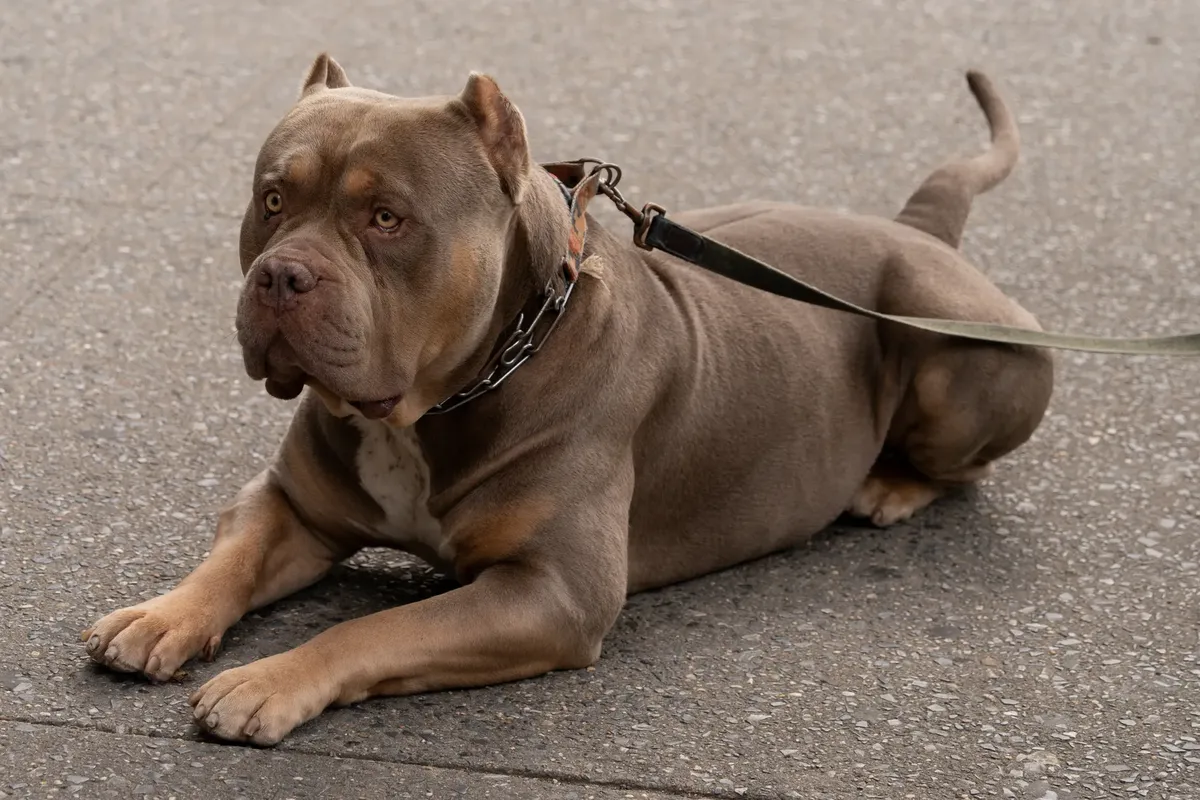
Standing in the backyard at noon, I feel the heavy tug on the leash as I eye the massive XL breed.
An owner looks at a massive dog, noting how its height exceeds standard expectations. The scale of such a dog requires different physical considerations for containment and exercise.
An "XL" type is determined by its adult height. For these large dogs, males reach 21 to 23 inches (53 to 58 cm), and females stand between 19 to 22 inches (48 to 56 cm) at the withers. Managing such large animals involves higher levels of physical strength and oversight.
| Type | Male Height (inches) | Female Height (inches) |
|---|---|---|
| 14 to 17 | 13 to 16 | |
| XL | 21 to 23 | 19 to 22 |
I observed how much a difference in height changed the handling requirements when comparing the pocket and XL types.
Why are safety statistics important for owners?
A researcher reviews a report on public safety incidents involving specific dog breeds. The data highlights the intersection of breed size and community risk.
Public safety records provide context for the risks associated with certain large breeds. In the UK, XL Bully dogs were responsible for more than 50% (10 of the 19) dog-related human deaths caused by dogs in the period between 2021 and 2023.
These statistics underscore the importance of adhering to local regulations and responsible management.
Dog breed regulations often stem from these types of documented incidents. Owners must stay informed about how their specific pet's size and strength relate to local legal requirements.
How to manage different breed sizes?
A trainer prepares a leash and harness, checking the durability of the equipment before a walk. Proper gear is vital when dealing with varying breed-specific rules.
Managing different sizes requires a strategic approach to physical control and environment. Follow these steps to maintain safety:
- Identify the specific type and height of your dog to select appropriate strength-rated gear. 2. Adjust leash and harness tension based on the dog's weight and height at the withers. 3. Verify local leash laws and containment requirements for your specific breed type.
Always perform a final check on all physical barriers and leashes before beginning any outdoor activity.
What are the limitations of these standards?
A person compares a dog's height to a ruler, noting that while the measurements provide a guide, every animal is unique.
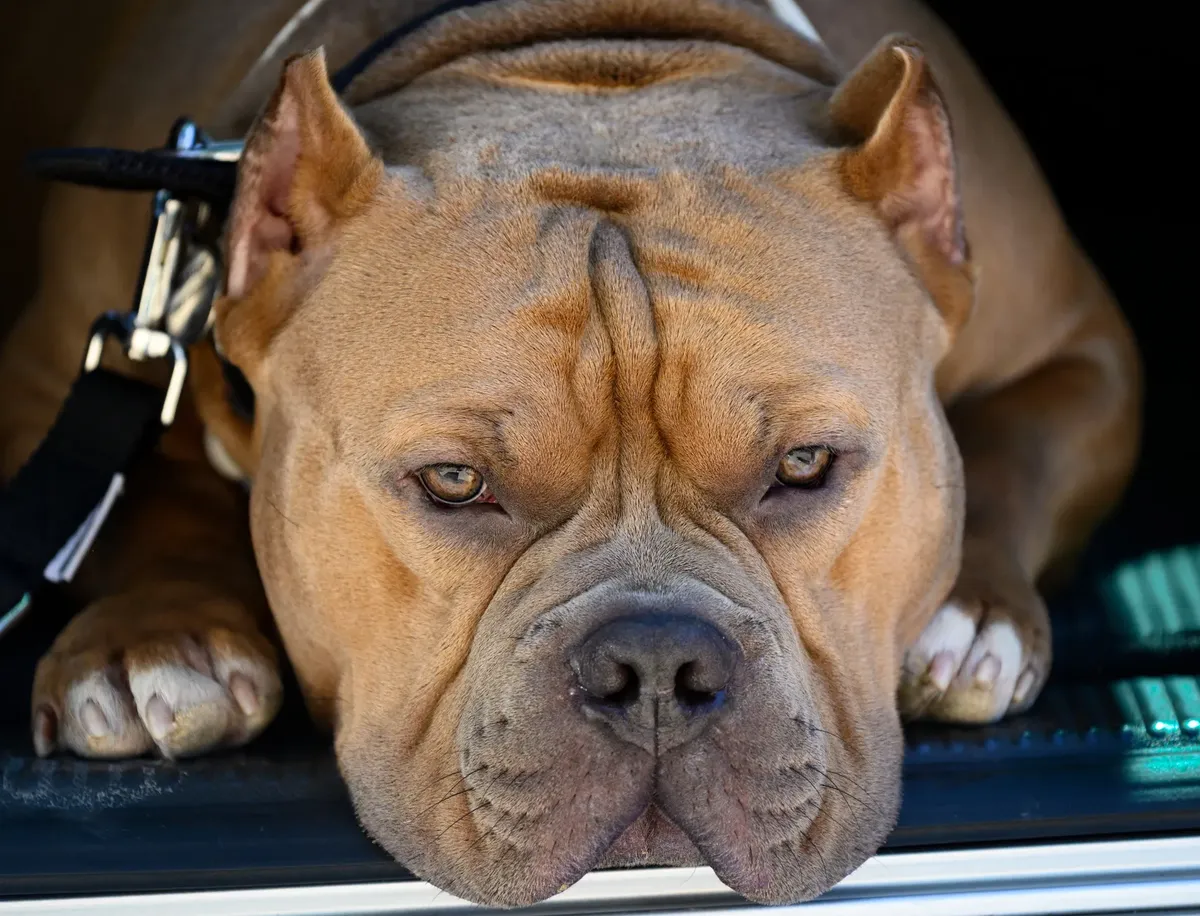
While these height ranges provide a framework, they do not account for the weight or individual temperament of a dog. A limitation of these height-based classifications is that they do not provide a complete picture of a dog's physical strength or behavioral needs.
The same subject is also called Breed specific rules.
The same subject is also called Safe pet ownership laws.
The same subject is also called Responsible pet care laws.
This part also covers Legal duties for pet owners.
This part also covers Training for dangerous breeds.
Related
- Why is the right sequence for dog training so important?
- Dog language training science: Tips for clear communication
How does understanding specific breed standards influence legal compliance? 1. Adhering to specific breed standards helps owners anticipate the physical characteristics that may trigger certain local regulations. 2. Knowing the size classifications allows owners to correctly interpret local leash laws and containment requirements. 3. Responsible ownership involves recognizing how the dog's measured height relates to community safety guidelines.
Understanding specific breed standards is crucial because these standards inform public safety data. The documented incidents involving certain large breeds necessitate that owners remain informed about local legal requirements.
This awareness ensures that the management practices align with community expectations regarding dog size and strength.
What cautions accompany the comparison of size types? 1. A caution exists that height measurements alone do not fully describe a dog's behavior or physical capability. 2. Owners must compare the physical standards with the dog's individual temperament to make complete management decisions. 3. The comparison between pocket and XL types shows a distinct difference in required handling strength.
The comparison of size types reveals that while measurements provide a framework, they lack detail regarding an animal's temperament. Owners should exercise caution when relying solely on height ranges to determine all necessary care protocols.
This caution applies when assessing the needs of any dog, regardless of its specific breed standard.
When navigating the complexities of special breed pet laws, understanding specific breed standards is paramount. The guidelines cover size variations, safety statistics, and the responsibilities of managing large-breed dogs effectively.
This comprehensive understanding supports responsible ownership practices.







Comments 0