Dog safety legal duties: Why gear importance is best tips
"Safety is not merely a set of rules, but a culture of preparedness that protects both the animal and the community."
Responsible pet ownership involves understanding legal duties, managing breed-specific requirements, and ensuring proper safety gear is maintained to prevent accidents. This guide covers essential safety protocols, the importance of gear, and how to manage ownership responsibilities. 1. Understand legal requirements for dog walks and breed-specific rules. 2. Prioritize dog safety gear importance through proper leashes and muzzles. 3. Prepare for emergencies and manage long-term ownership responsibilities.
What are the legal requirements for dog walks?
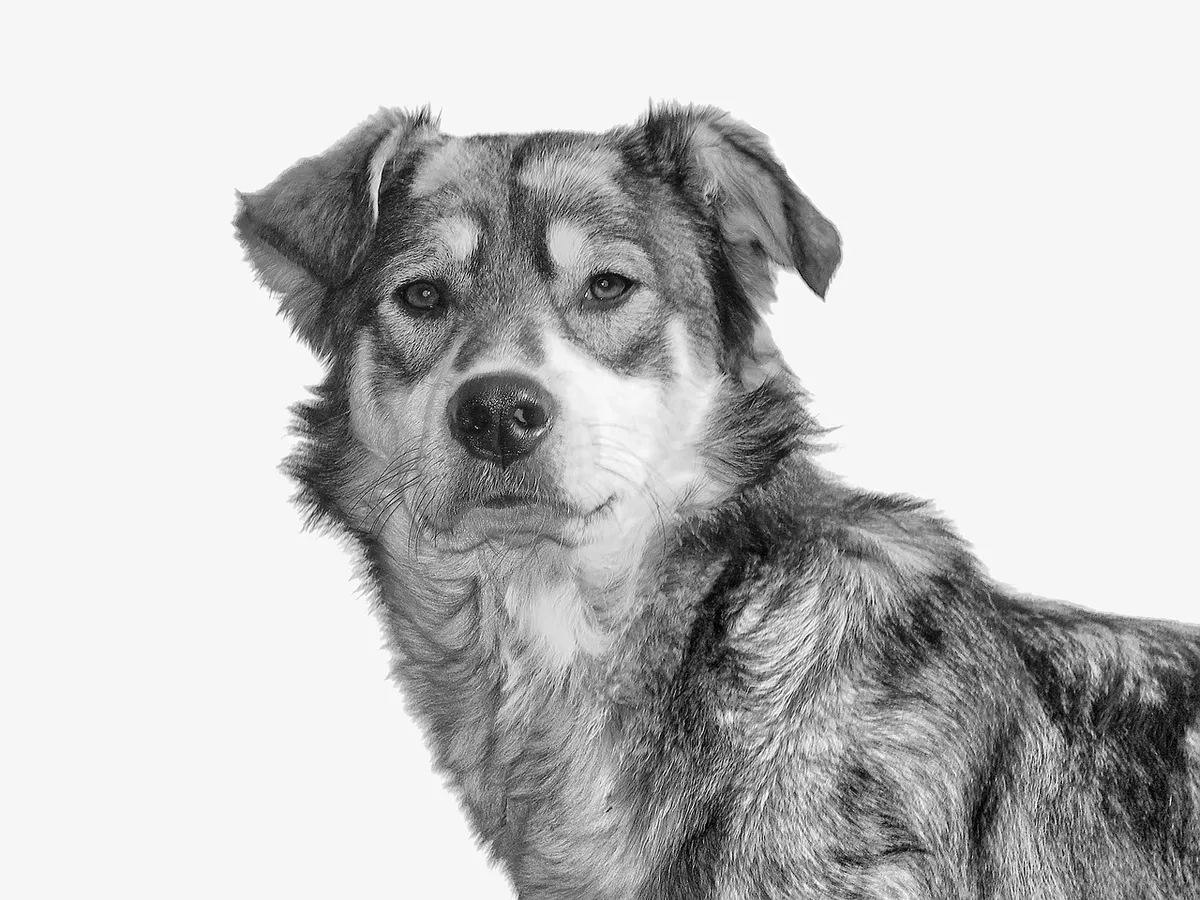
At dawn in the quiet park, I tighten my grip on the leash to ensure absolute safety while scanning the trail ahead.
A person walks through a local park, holding a sturdy leash while keeping a watchful eye on their pet's surroundings. Understanding the legal requirements for dog walks is the first step in preventing community conflicts and ensuring public safety.
Local ordinances often dictate how close a dog must be to its owner and whether certain breeds require specific restraints. While specific laws vary by municipality, the goal is to maintain control and prevent unpredictable interactions in public spaces.
Failure to follow these rules can lead to fines or liability in the event of an incident.
- Check local leash laws and permit requirements. 2. Ensure your dog is properly licensed and microchipped. 3. Carry proof of vaccinations at all times.
How do you manage breed specific dog rules? Dog safety legal duties
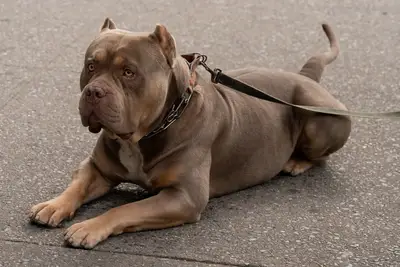
In the middle of the crowded plaza, I pull the heavy harness tight against my chest to maintain safety while walking my powerful dog.
A handler reaches for a heavy-duty harness while preparing to walk a powerful breed through a crowded downtown plaza. Managing breed specific dog rules involves recognizing that certain animals may require additional precautions, such as muzzles or specialized equipment, to satisfy local mandates.

Some jurisdictions implement stricter regulations for specific breeds to mitigate risks to the public. Owners must stay informed about local statutes to ensure they are compliant with leash laws and muzzle requirements.
Adhering to these rules demonstrates a commitment to responsible pet ownership and community safety.
In this sequence, the second step is the most critical.
Why is dog safety gear importance so critical?
A dog owner inspects a worn collar and replaces it with a reinforced version before heading out for an evening stroll. Recognizing dog safety gear importance means selecting equipment that is durable enough for the specific pet's strength and temperament.
The right gear prevents escapes and provides the handler with necessary control during sudden movements. Using high-quality leashes, harnesses, and collars is essential for preventing injuries to both the pet and the human.
Investing in reliable equipment is a fundamental aspect of maintaining a safe walking environment.
How do you implement a safe walking etiquette guide?
A walker pauses at a crosswalk, waiting for a group of pedestrians to pass before continuing the route. Following a safe walking etiquette guide helps prevent tension between pet owners and non-owners in shared public spaces.
Common etiquette includes keeping a respectful distance from other dogs and people, especially in narrow passages. Owners should always yield the right of way and ensure their pet does not interfere with others' personal space.

These social cues help foster a more harmonious environment for everyone using the trails or sidewalks.
What are the best practices for responsible pet ownership laws?
An owner checks their travel documents and pet carrier to ensure everything is ready for an upcoming trip. Adhering to responsible pet ownership laws involves more than just daily walks; it includes managing health, vaccinations, and legal registrations.
According to the Belgian Federal Agency, nowhere in the law does it say that you can't eat your cat, dog, rabbit, fish or whatever.
A 1994 Canadian study found that the most common reasons for not owning a pet were lack of ability to care for the pet when traveling (34.6%), lack of time (28.6%), and lack of suitable housing (28.3%), with dislike of pets being less common (19.6%).
This data highlights that stability in housing and travel availability are key factors in successful ownership.
To maintain a responsible household, follow these steps:
- Verify all local licensing and registration requirements are met. 2. Ensure the pet has a secure and suitable living environment. 3. Develop a plan for pet care during travel or emergencies.
A final check of the leash and the pet's harness ensures the walk can proceed without immediate risk.
How can you prepare for emergencies?
A person grabs a pre-packed emergency kit containing pet food and water while looking toward the window during a storm. Preparing for sudden changes is a vital part of the safety culture.
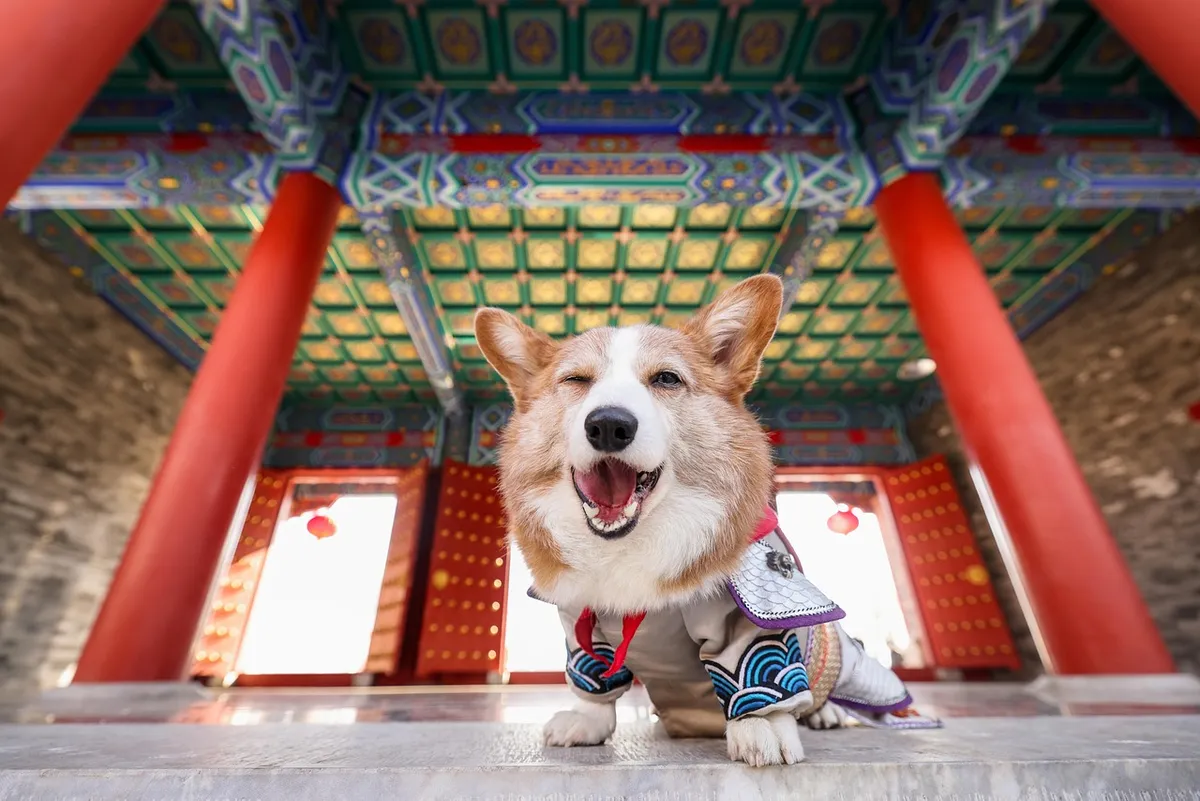
According to the Centers for Disease Control and Prevention (CDC), being prepared for pet safety in emergencies is essential for protecting animals during natural disasters or sudden crises. Having a clear plan and an emergency kit ready can make the difference between safety and chaos.
| Aspect | Focus Area |
|---|---|
| Routine Safety | Leash control and harness fit |
| Emergency Safety | Preparedness and evacuation plans |
I always check the strength of the leash before every walk to ensure it can handle sudden pulls.
A limitation of these guidelines is that local laws vary significantly, so owners must verify specific municipal codes to ensure full compliance.
The subject here is Dog safety legal duties.
This part also covers Choosing right dog safety gear.
This part also covers Community dog walking rules.
Related
- Dog behavior correction: Fixing dog bad behavior tips
- Dog language sound button training: Why use these tools
When should I reassess my pet's safety needs? Reassessing safety needs becomes necessary when the pet exhibits behavioral changes or when the owner's living situation alters. Changes in the animal's temperament might necessitate a review of the required restraints or gear to maintain community safety. Owners should also review their preparedness plans if they relocate or if local ordinances change regarding pet ownership.
How does preparedness relate to overall Safety? Preparedness directly supports the broader concept of Safety by ensuring that contingencies are addressed before they become crises. Having an emergency kit ready, for instance, transitions the focus from reactive panic to proactive management during a sudden event. This planning mitigates potential harm to both the animal and the surrounding community.
Maintaining a culture of Safety requires consistent vigilance, not just adherence to initial rules. The proactive steps taken, such as inspecting gear before every walk, demonstrate this ongoing commitment.
This continuous effort ensures that the protective measures remain effective against evolving risks.



Comments 0