Preventing dog theft tips: How to secure your companion dog
"The security of a beloved pet requires constant vigilance and an understanding of how theft rings operate in certain regions."
Preventing dog theft requires proactive monitoring of surroundings and awareness of criminal patterns. This guide covers historical trends in pet theft, specific regional risks, and essential safety strategies for owners.
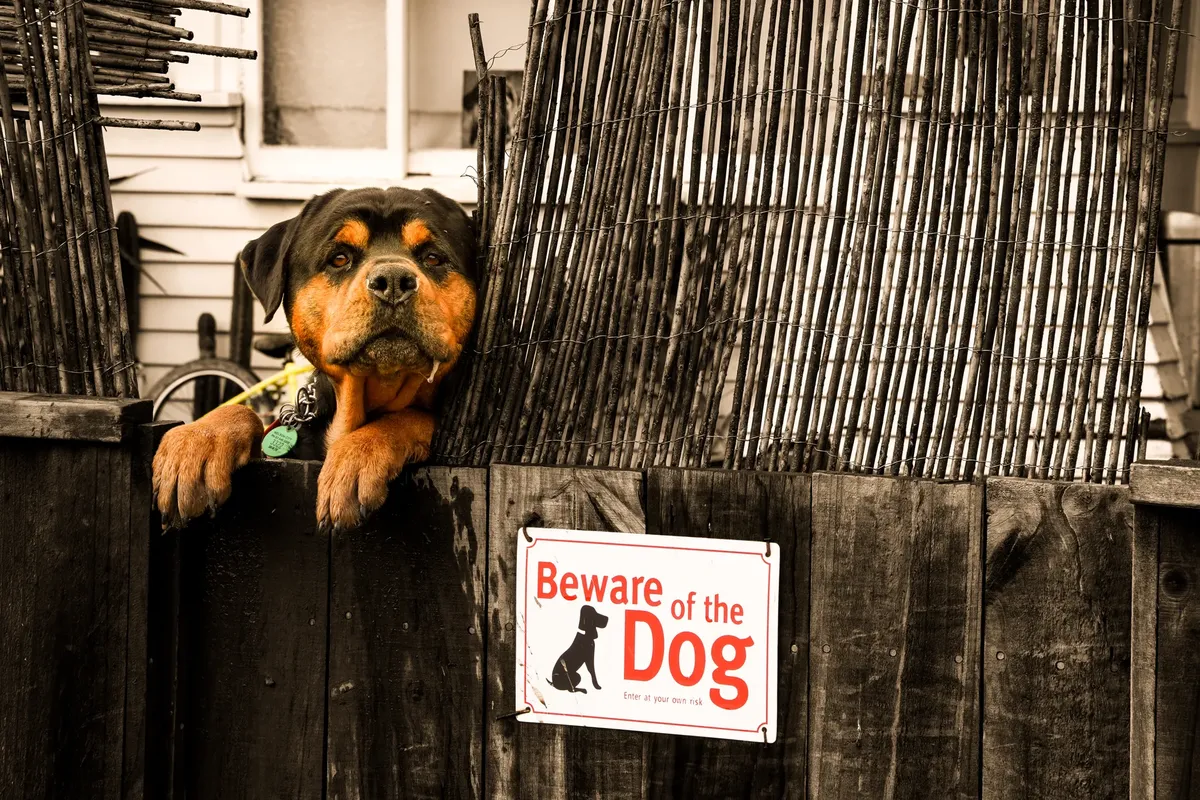
Key takeaways include recognizing organized theft rings, understanding statistical increases in pet crime, and implementing practical security measures.
How can we recognize patterns in dog theft?
At dusk in the empty park, I squinted through the dim light, scanning the tree line while preventing any sudden movements from catching my eye.
A person walks through a crowded park, suddenly noticing a group of individuals watching a pet closely. Understanding these patterns is the first step in a successful dog theft prevention guide.
According to the American Humane Society, evidence was presented regarding organized dog theft rings operating across Delaware, Pennsylvania, New Jersey, and New York. These rings often involve organized groups working together to steal animals for profit.
In one reported instance, a witness stated that boys were being paid $2 for each dog they delivered to a dealer. This type of organized activity highlights why owners must be cautious in areas where such rings are active.
Why did pet theft rates change in the United States? Preventing dog theft tips
An owner looks at a news report on a tablet, seeing a sudden spike in local pet crime statistics. Understanding these shifts helps in developing effective pet safety strategies.
The American Kennel Club began to track pet thefts in the United States in 2007 to better understand the scope of the issue. In 2009 alone, the organization found that a 30% increase in this type of crime had been seen.
This sudden rise in criminal activity underscores the importance of staying alert during walks and outdoor activities. Recognizing that theft can fluctuate and increase rapidly allows owners to remain prepared.
How to secure your companion dog in public spaces?
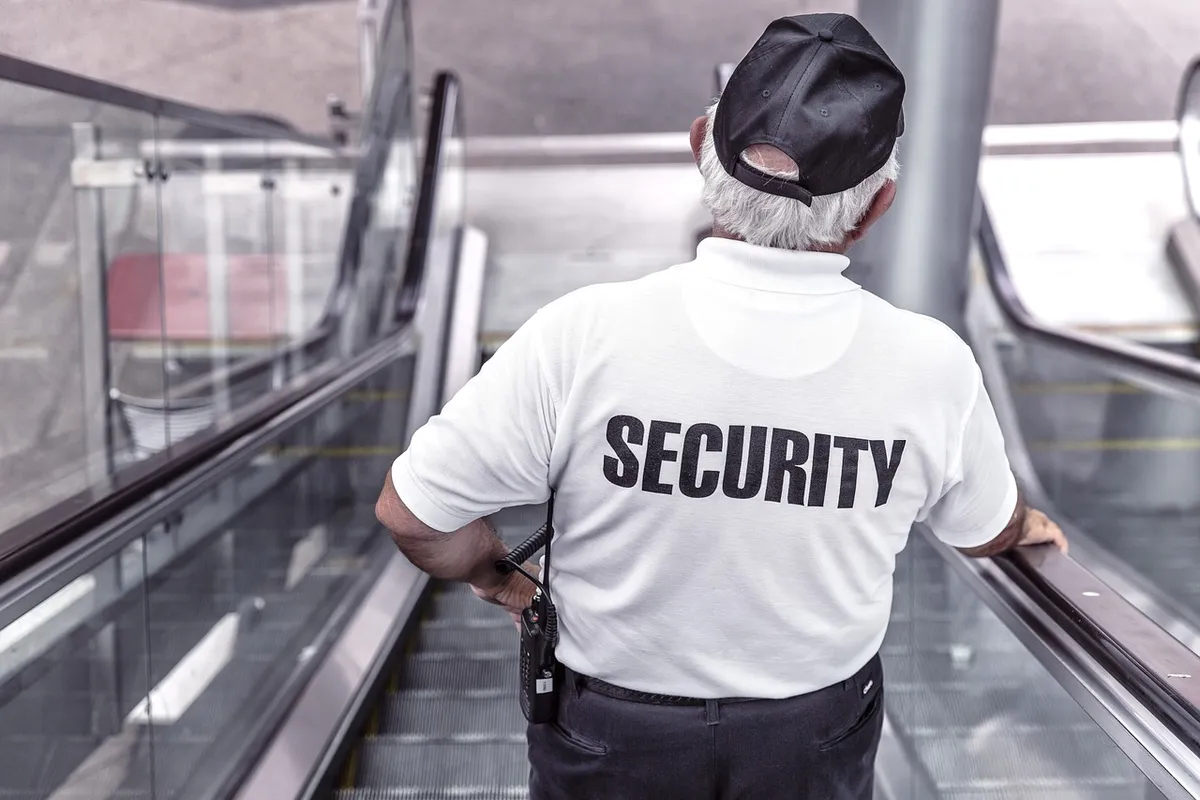
A handler holds a sturdy leash, scanning the perimeter of a quiet neighborhood street. Securing your companion dog involves managing the environment and the animal's visibility.
- Use high-quality, secure leashes and harnesses that are difficult to slip out of during a sudden grab. 2. Avoid leaving pets unattended in vehicles or in open yards where they are easily accessible to passersby. 3. Keep pet identification tags updated and consider microchipping to aid in recovery if a theft occurs.
The goal is to minimize the window of opportunity for a thief to act. I remember checking the strength of a leash twice before stepping into a busy park to ensure nothing could go wrong. Always perform a final check of all gear before leaving the house.
What are the common mistakes in pet safety?
A person realizes they left a gate unlatched, feeling a sudden surge of anxiety about their pet's safety. Avoiding these mistakes is vital for a secure dog theft prevention guide.
One common mistake is assuming that a familiar neighborhood is entirely safe from organized rings. Another error is failing to realize how quickly a situation can escalate, much like the 30% increase seen in 2009. Always remain aware of your surroundings, even in quiet areas.
| Risk Factor | Historical Context |
|---|---|
| Organized Rings | Activity noted in DE, PA, NJ, and NY |
| Statistical Spikes | 30% increase recorded in 2009 |
How to stop dog snatching through better preparation?
A handler stands at a crossroads, deciding which path is safest for the afternoon stroll. Learning how to stop dog snatching requires a combination of physical security and situational awareness.

To effectively guard dog from theft, owners should maintain a consistent routine that avoids predictable patterns. If you always walk at the exact same time and place, you may inadvertently alert criminals to your schedule.
Additionally, training your dog to respond to emergency commands can help if they are suddenly grabbed.
- How can we recognize patterns in dog theft?
- Why did pet theft rates change in the United States?
- How to secure your companion dog in public spaces?
The subject here is Preventing dog theft tips.
This part also covers Past cases dog theft prevention.
This part also covers Best practices dog safety.
Related
- Dog mental health training: Tips for a healthy lifestyle
- Dog safety legal duties: Why gear importance is best tips
What conditions increase the risk of pet theft? 1. Operating in areas where organized theft rings have been documented is a primary risk condition. 2. The presence of statistical spikes in pet crime suggests a heightened risk period. 3. Failing to secure the environment around the pet increases the vulnerability to theft.
Understanding these conditions allows owners to better assess the risk to their beloved pet. The documented activity in specific regions points to concentrated danger zones. Owners must recognize when the general environment presents a higher threat level.
How does situational awareness relate to pet security? Situational awareness is crucial for maintaining the security of a beloved pet. Recognizing a group watching a pet closely in a public space is an example of applying this awareness. This vigilance counters the organized nature of the theft rings.
Maintaining awareness extends beyond just watching for suspicious individuals. It involves knowing that theft rates can fluctuate, as shown by the 30% increase documented in 2009. This knowledge prompts owners to adopt preventative measures proactively.
What precautions should owners take regarding pet identification? Keeping pet identification tags updated and considering microchipping serves as a crucial safeguard for the security of a beloved pet. These measures facilitate recovery efforts should an animal become a victim of theft. A readily accessible identification system aids authorities in locating the animal quickly after a disappearance.
Owners must remember that these identification steps complement physical security measures. While a strong leash prevents immediate snatching, tags and microchips provide a pathway back to the owner if the animal escapes or is taken.
This layered approach strengthens the overall security posture against criminal activity.
The diligence in maintaining these identification records reflects a proactive stance against the risks associated with organized theft rings. This preparation is vital when operating in areas where such criminal patterns have been observed.







Comments 0