Puppy Socialization Guide: First day dog walk routine tips
A leash feels heavy in a trembling hand as a new puppy stares at the vast, unpredictable world outside the front door. Starting a first day dog walk routine requires patience, short durations, and a focus on sensory exploration rather than distance.
To establish a successful routine, focus on short, frequent outings that build confidence through positive reinforcement. This guide covers the essential steps for a new puppy socialization guide, covering everything from gear to environmental exposure.
How to begin a first day dog walk routine?

A hand reaches for a sturdy harness while the puppy sniffs the edge of a doorway. The first outing should take place in a controlled, safe environment like a quiet driveway or a fenced backyard to minimize sudden stressors.
A successful first day dog walk routine involves letting the animal explore the immediate surroundings at their own pace without the pressure of long distances. Instead of walking for miles, focus on letting the puppy sniff objects and adjust to the sensation of the leash.
This period is vital for building a foundation of trust between the owner and the pet.
What are the essential steps for a puppy socialization guide?
A hand adjusts a clip on a leash while a young dog cautiously steps onto the grass. Following a structured approach helps prevent anxiety during later developmental stages.
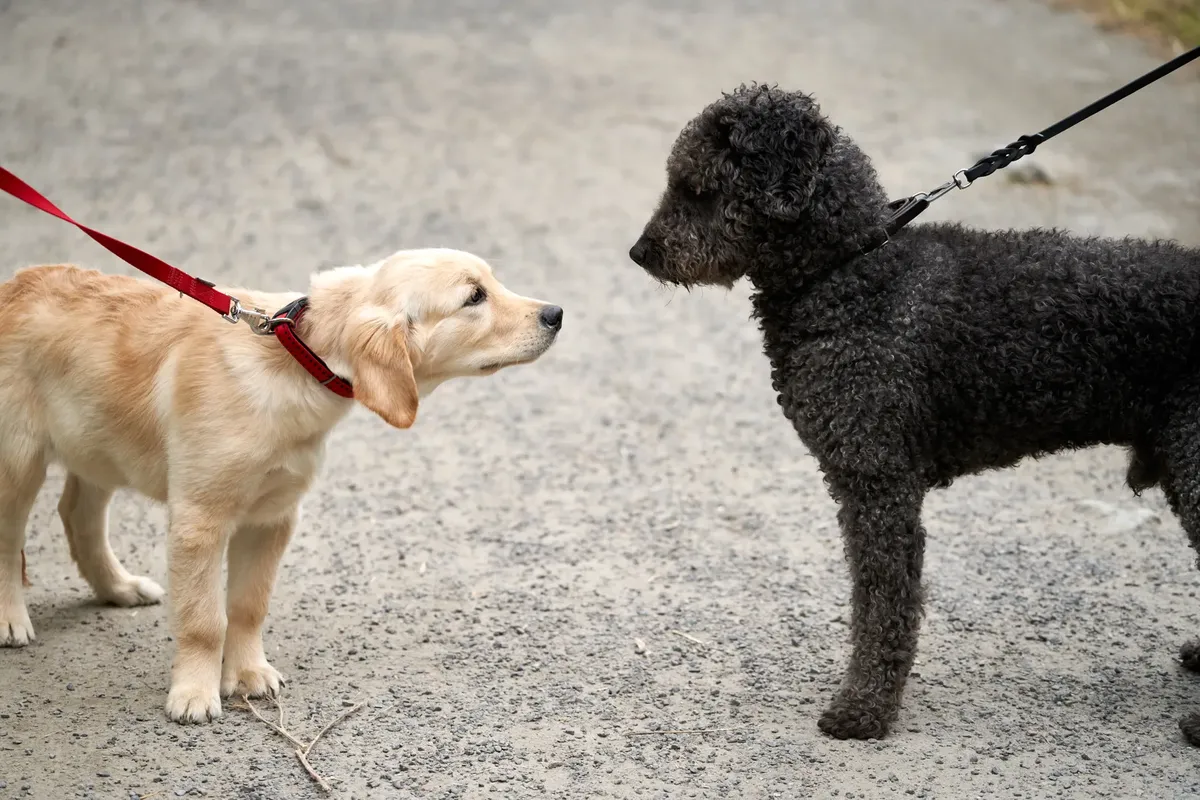
- Introduce the gear in a safe space by letting the puppy wear a harness or collar indoors first to get used to the feeling. 2. Step outside for very short durations, lasting only five to ten minutes, to prevent sensory overload. 3. Use high-value treats to reward calm behavior when the puppy encounters new sounds or textures.
To complete the process, always end the session on a positive note before the puppy becomes tired or overwhelmed. This ensures they associate the outdoors with pleasant experiences.
How to manage a new dog first walk?
A person pauses to let a dog investigate a rustling leaf while the sun hangs low in the sky. Managing expectations is the most important factor when transitioning from indoor life to outdoor exploration.
A new dog first walk should not be about exercise, but about mental engagement and environmental acclication. Because puppies have limited stamina, keep these sessions brief to avoid exhaustion-induced irritability.
If the dog shows signs of fear, such as cowering or refusing to move, decrease the intensity by staying in a more familiar area.
What are some early dog walking tips for success?
A leash tension is checked while a dog looks up expect toward a handler. Success depends on consistency and observing the subtle body language of the animal. According to KOSIS, verified official statistics (KOSIS) include tables regarding population, general society, crime, and safety.
Early dog walking tips include maintaining a loose lead to prevent the habit of pulling from the very beginning. It is helpful to keep a kit with water and treats nearby to manage the transition smoothly.
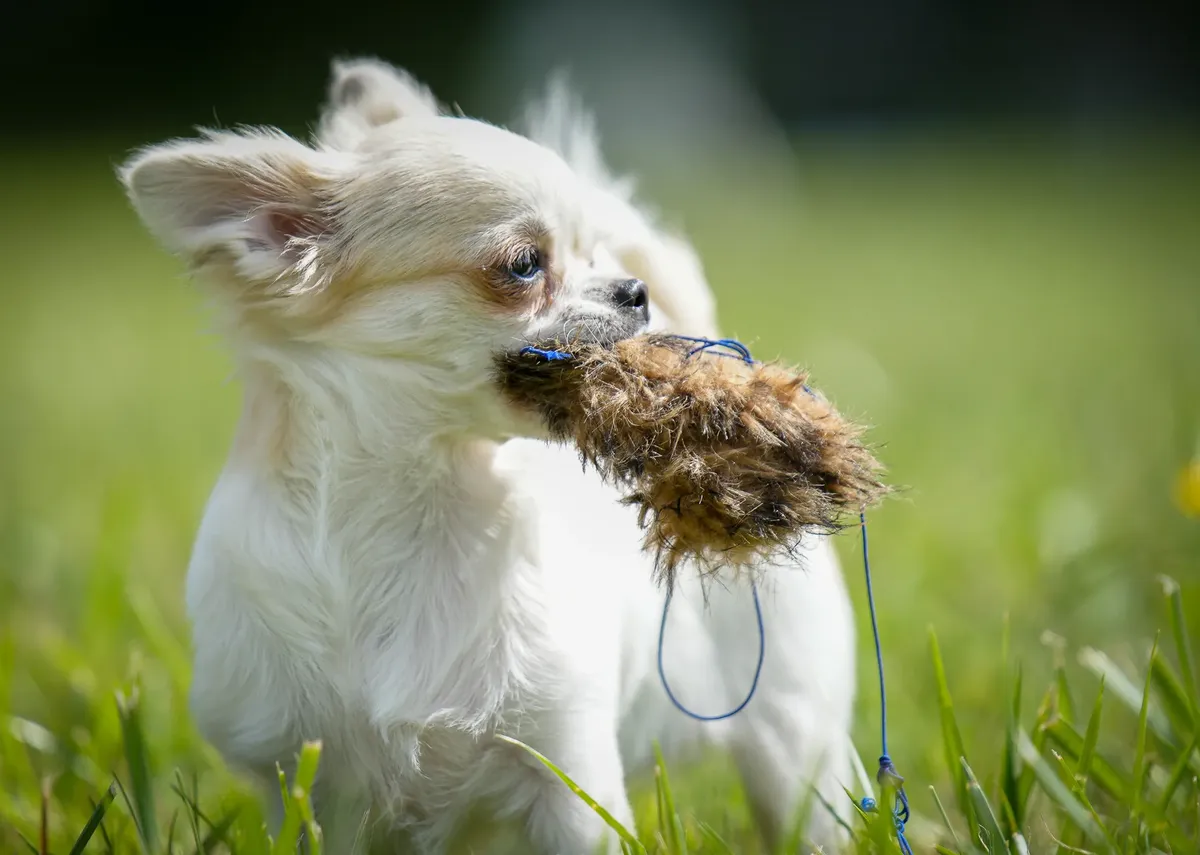
Using these early dog walking tips ensures that the puppy learns to look to the owner for guidance when things become loud or distracting.
How can I use a socialization timing guide?
A timer sits on a table near a pile of treats as a puppy explores a patch of shade. Understanding the window of opportunity is critical for long-term behavioral health.
A socialization timing guide emphasizes that the period between the puppy's early weeks and several months of age is the most critical window for learning. During this time, exposing the dog to various sights, sounds, and people helps prevent fear-based aggression later in life.
While you cannot prepare for every possible scenario, consistent positive exposure during this window builds a resilient temperament.
| Phase | Focus | Primary Goal |
|---|---|---|
| Initial Setup | Gear Acclimation | Comfort with harness/leash |
| Outdoor Entry | Environmental Exposure | Sensory exploration |
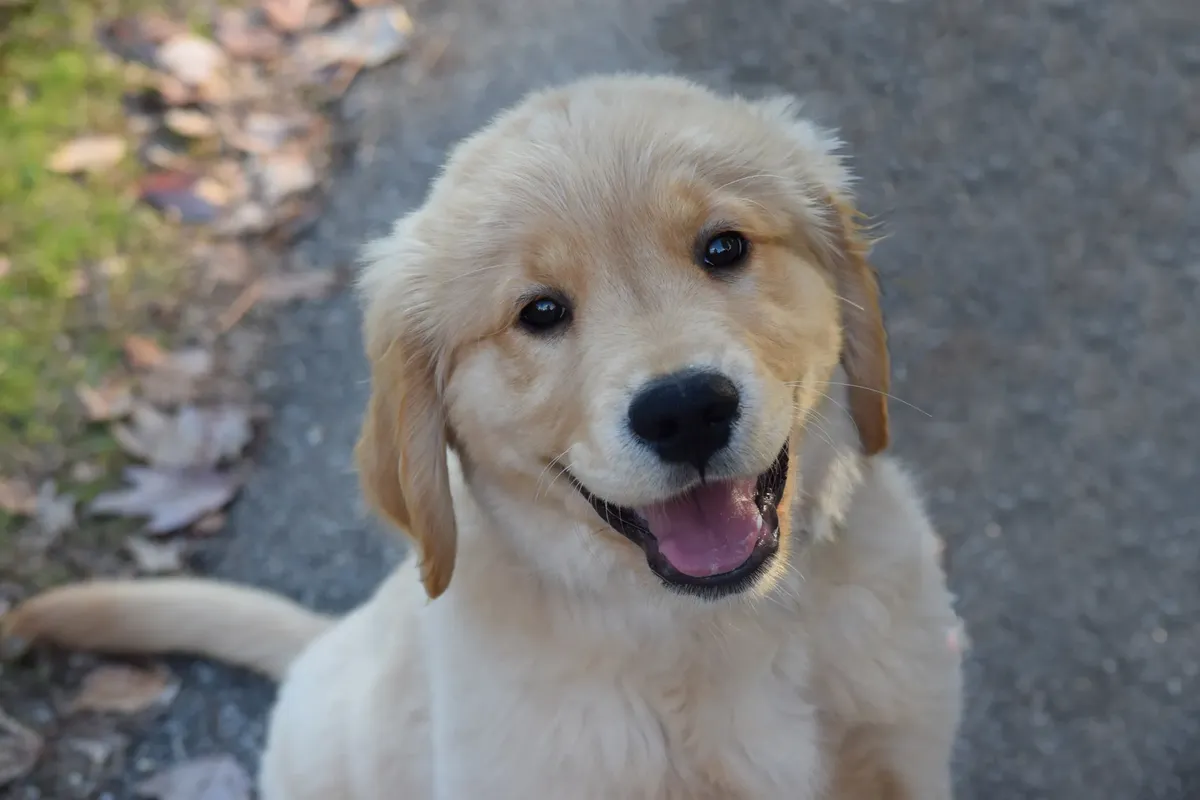
I remember how much the texture of the grass surprised my first puppy during our very first walk. This comparison shows that physical comfort is just as important as mental readiness.
- How to begin a first day dog walk routine?
- What are the essential steps for a puppy socialization guide?
- How to manage a new dog first walk?
This part also covers Best first walk for new puppy.
This part also covers How to start dog walks.
This part also covers Puppy socialization schedule.
Best first walk for new puppy
Related
- Dog First walk after adoption: Tips for success
- When to introduce new dogs during dog exercise needs?
How to prepare for the leash and sensory changes?
A leash feels different in a puppy's mouth or against their body than it does in a human hand. To prepare, you should first introduce the gear in a safe, indoor space to ensure the puppy becomes comfortable with the sensation before stepping outside.
If the puppy becomes overwhelmed by the environment, you must decrease the intensity by staying in a familiar area. This comparison between a quiet driveway and a busy street helps manage the transition from indoor life to outdoor exploration.
What should you watch for during the walk?
Watch for signs of fear, such as cowering or refusing to move, which indicates the need to decrease intensity. Because puppies have limited stamina, you must also monitor for exhaustion-induced irritability to ensure the session remains positive.
- Check the puppy's body language to see if they are adjusting to the leash. 2. Observe if the puppy is too tired to maintain focus. 3. Ensure the puppy is not becoming overwhelmed by sensory overload.
What are the conditions for successful early exposure? 1. The initial setup requires gear acclimation indoors so the leash feels familiar before outdoor introduction. 2. Outdoor entry demands very short durations to manage sensory exploration without causing overload. 3. Positive reinforcement, utilizing high-value treats, must accompany encounters with new stimuli.
This process compares the controlled environment of a backyard to the unpredictability of the wider world, emphasizing gradual acclimatization. A leash that feels heavy in a trembling hand signals a need for immediate reduction in exposure intensity.
If the puppy exhibits signs of distress, such as cowering, the handler must decrease the intensity by returning to a more familiar space. This cautious approach ensures the puppy associates the outdoors with positive experiences rather than stress.
How does consistency impact the routine? Consistency in the routine builds a foundation of trust between the owner and the pet. Maintaining a loose lead prevents the habit of pulling from the very beginning of the walk. Observing the subtle body language of the animal helps the owner gauge the puppy's comfort level with the leash.
Using these early dog walking tips helps the puppy learn to look to the owner for guidance when distractions become loud. The comparison between a quiet driveway and a busy street illustrates the need for controlled progression during the initial walks.




Comments 0