Puppy first walk routine: Tips for new dog owners
A quiet morning light filters through the living room window as a new puppy nervously sniffs the edge of a leash. The journey of a lifetime begins with a single step outside the front door.
A successful puppy first walk routine focuses on short, low-stress durations to prevent sensory overload and build confidence. By managing expectations and using controlled environments, owners can establish a positive foundation for life-long walking habits.
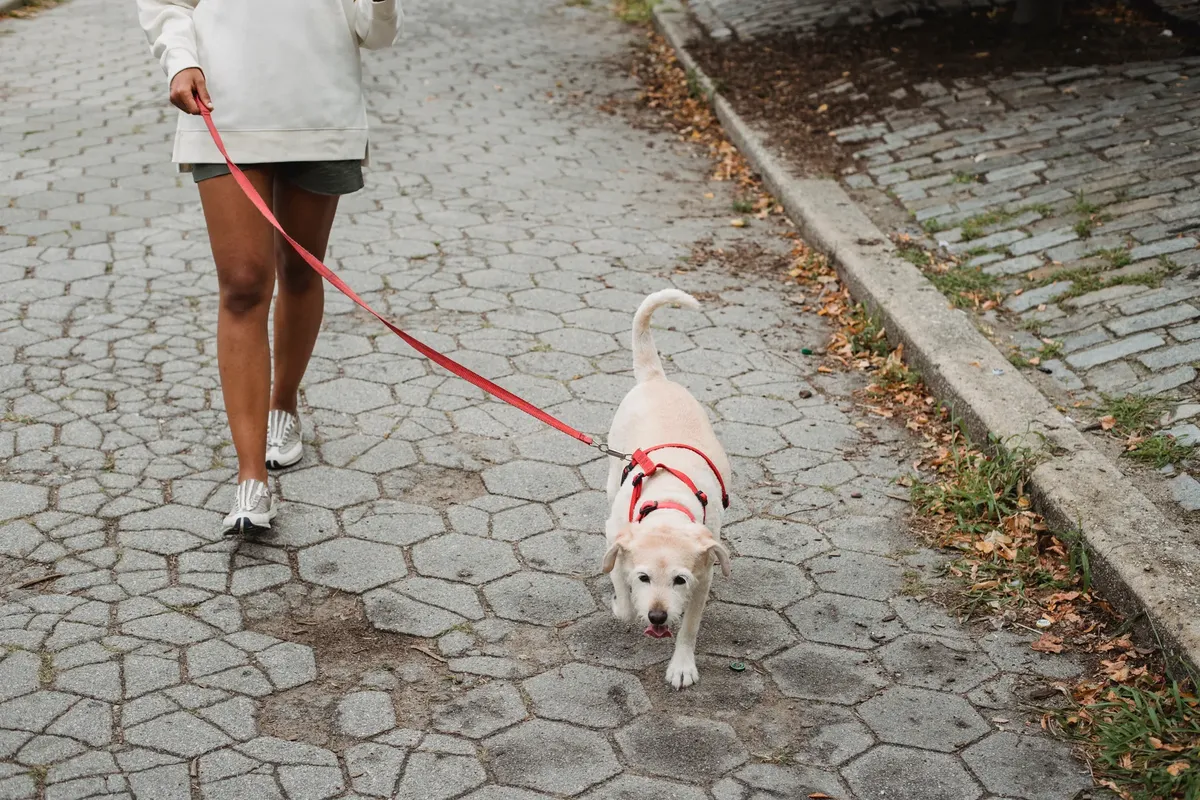
Key takeaways: * Prioritize short durations to prevent exhaustion. * Use familiar, quiet surroundings for the initial outing. * Focus on positive reinforcement to build confidence.
How to plan a puppy first walk routine?
At dawn, I grab the harness in the quiet hallway while the puppy sniffed the leather with curiosity.
The sun hits the driveway as a hand reaches for a sturdy harness, checking the fit one last time. Planning the first outing requires careful thought about timing and environment to ensure the dog feels secure.
A puppy first walk routine should start with very brief intervals in a controlled setting. Instead of long treks, aim for five to ten minutes of exploration to keep the animal from becoming overwhelmed.
This approach allows the dog to process new scents and sounds without the stress of physical exhaustion or sudden loud noises.
A short walk for new dog owners often happens right in the driveway or a quiet hallway first. Moving from the indoor environment to the immediate outdoor boundary helps the dog bridge the gap between safety and the unknown.
- Select a secure harness and a lightweight leash.
- Choose a low-traffic area for the initial outing.
- Set a specific time of day to establish a rhythm.
How can I build a consistent puppy walking habit? The leash clicks into place, and the sound echoes against the quiet morning air. Establishing a routine requires repetition and a predictable schedule to help the dog understand what to expect.
A puppy walk plan guide suggests walking at the same times each day to create a sense of stability. When a dog knows when movement is coming, anxiety levels tend to decrease. Consistency in the route also helps the dog become familiar with the specific smells and sights of the neighborhood.
Effective habit-building involves keeping the pace gentle and the duration predictable. By following the same sequence of events, you provide a mental roadmap for the animal.
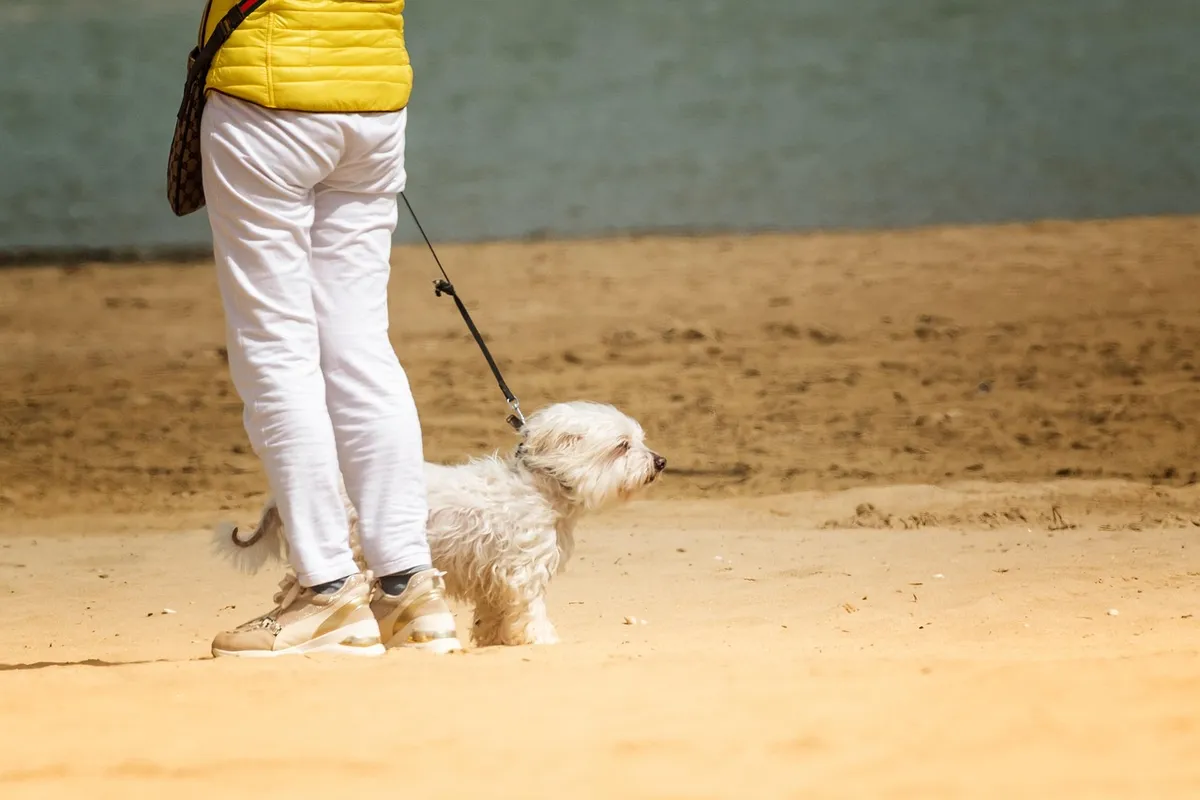
In this sequence, the second step is the most critical for habit formation.
How do I manage my dog's stress on their first outing? A sudden car horn blares in the distance, causing the small dog to freeze mid-step. Managing the sensory input of the outside world is the most critical component of the first outing.
Managing first day dog stress requires constant vigilance regarding the environment. If the dog shows signs of fear, such as trembling or pulling back, it is vital to end the session immediately.
The goal of the first day is not distance, but the successful completion of a calm interaction with the outdoors.
If the dog becomes overwhelmed, returning to the house or a quiet corner provides the necessary reset. Avoid forcing the dog to approach anything that causes hesitation.
Safe first walk tips for pups: Essential steps
A hand reaches into a pocket to grab a small, soft treat, ready for the moment the dog looks up. Following a structured sequence ensures that the first experience remains a positive memory.
To execute a successful first outing, follow these three steps:
- Gear Check: Ensure the harness and leash are properly fitted and secure before stepping outside. 2. Perimeter Exploration: Allow the dog to sniff the immediate area around the house to build confidence in the new environment. standing near the door or on a patch of grass provides a safe starting point. 3. Positive Reinforcement: Offer small treats or verbal praise when the dog moves forward or remains calm during a new sensation.
After these steps, perform a final check to ensure the dog is not showing signs of extreme fatigue or distress.
I remember checking the tension on a brand-new leash during a first walk, making sure every clip was secure before we even stepped onto the sidewalk.
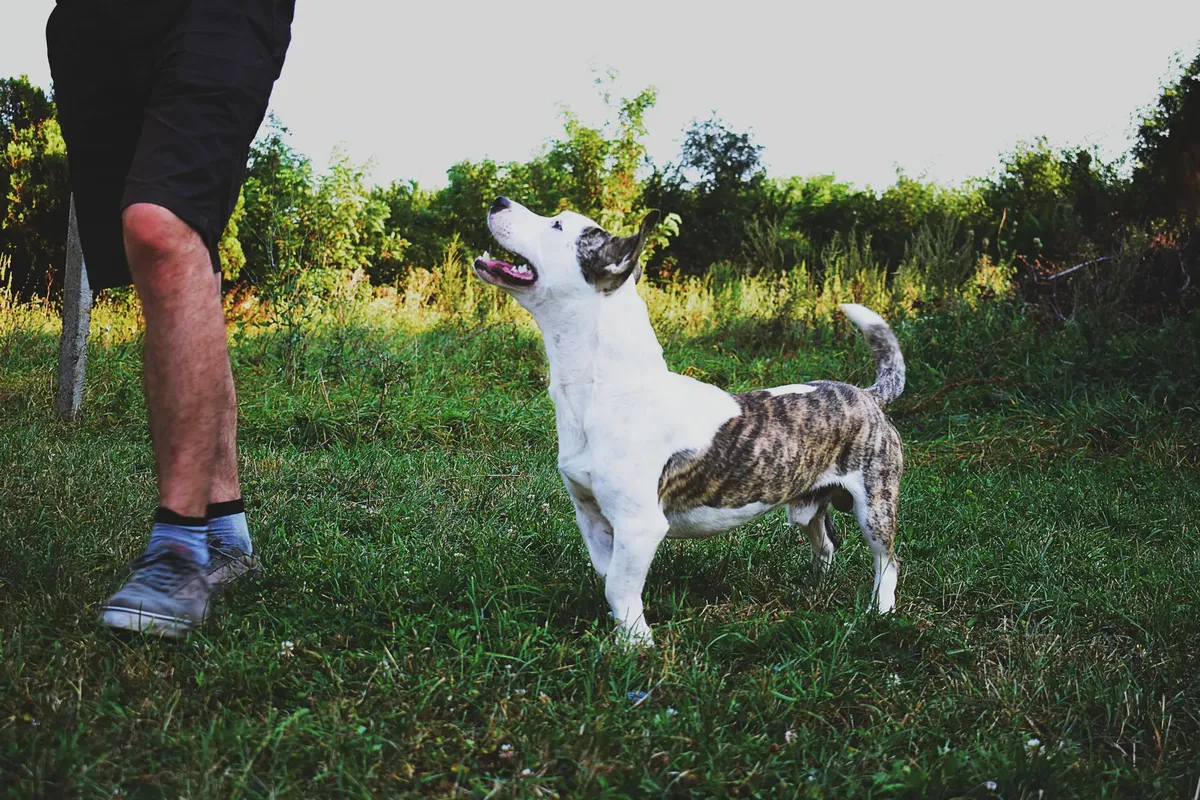
A limitation of this routine is that it may not address specific behavioral issues if the dog has a naturally guarded personality.
Comparison of first walk approaches
The difference between a chaotic outing and a structured one becomes clear when comparing the two methods.
| Feature | Brief Exploration | Extended Trek |
|---|---|---|
| Primary Goal | Confidence building | Physical exercise |
| Risk Level | Low stress | High sensory overload |
The same subject is also called First day dog outing.
The same subject is also called New dog first steps.
This part also covers Building a puppy walk habit.
Related
- Puppy Socialization Guide: First day dog walk routine tips
- Dog First walk after adoption: Tips for success
What makes a quiet morning ideal for initial walks? The quiet of a morning provides a less intense sensory backdrop for the puppy's first outdoor experiences. This calm setting minimizes the chance of sudden, jarring noises that could trigger anxiety during the initial exposure. A quiet morning allows the puppy to focus on the novel scents without the added pressure of surrounding activity.
This gentle atmosphere supports the goal of establishing a positive association with the outdoors from the very beginning. When the environment is subdued, the puppy is more likely to engage with the new sights and smells in a curious manner rather than a fearful one.
Owners should leverage this peaceful time to reinforce good behavior.
If the puppy is showing signs of apprehension, the quiet of the morning can be used to facilitate a slow re-entry into comfort. Returning to a quiet spot allows the puppy to regulate its excitement levels before attempting further exploration.
This careful pacing is crucial for building lasting trust.
When should the routine be adjusted?
Owners must adjust the routine if the puppy exhibits signs of distress during the walk. If the dog starts trembling or pulls away from the leash, the session must conclude immediately, regardless of how short the time has been.
The primary objective during these early stages is successful calm interaction, not completing a set distance.
Should the puppy seem overly stimulated, returning to the house or a designated quiet corner offers a necessary period of recovery. Never compel the dog to approach any stimulus that causes it hesitation. This caution protects the dog from developing negative associations with the outside world.
Consistency in the schedule, even when adjusting duration, helps maintain the sense of stability the puppy needs. The predictable nature of the routine, even if brief, aids in reducing overall anxiety levels over time.



Comments 0