Puppy socialization training guide: How to build confidence
"Positive reinforcement training has become non-negotiable in 2025 – and it’s more science-driven than ever."
Effective puppy socialization training relies on science-backed methods that prioritize positive reinforcement and consistent engagement.
This guide covers essential principles for balanced pet education, including how to correct dog behavior through modern techniques and the importance of early dog socialization.
How do we apply effective puppy socialization training?
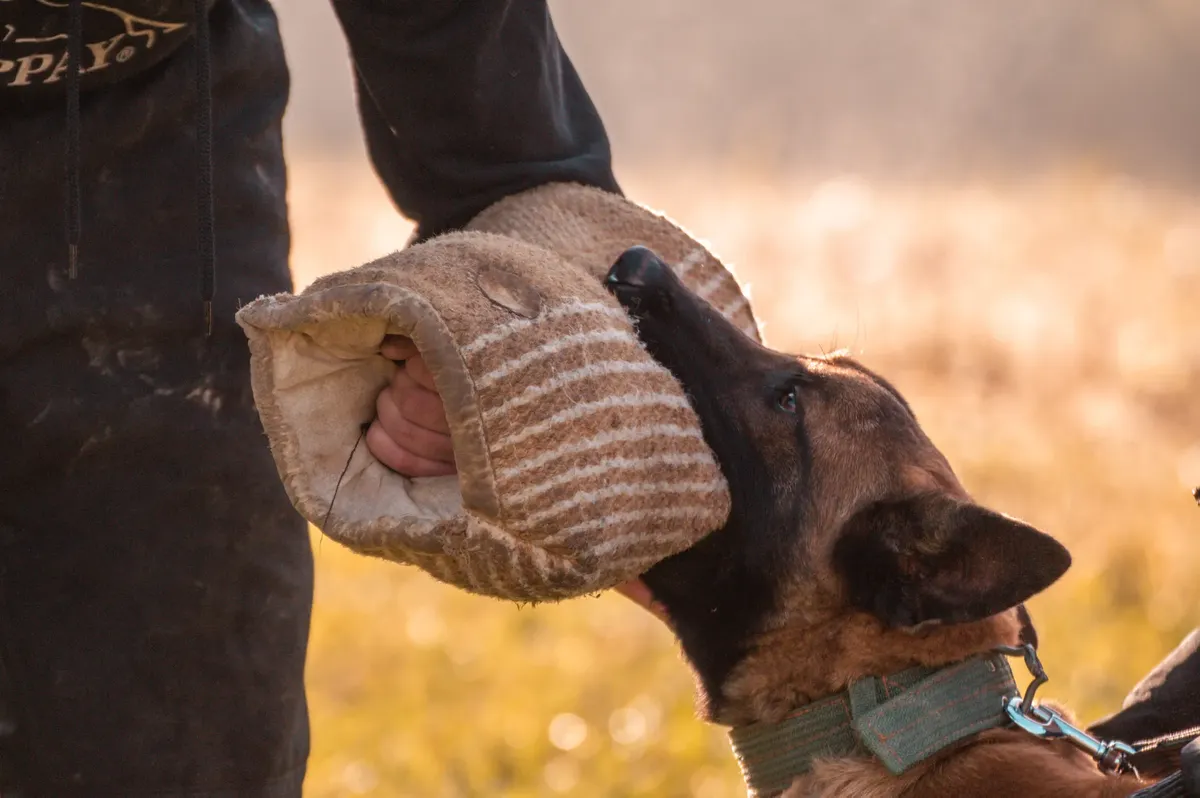
Walking through a crowded park, a handler holds a leash loosely while a young dog sits calmly amidst the noise. Successful socialization requires exposing a puppy to various stimuli in a controlled, positive manner to build confidence.
Modern training methods now report up to a 75 percent increase in long term behavior improvement when using personalized, tech-enabled coaching compared to traditional obedience classes.
This shift toward individualized attention helps ensure that the puppy's specific temperament is addressed during the learning process.
I remember watching a puppy navigate a busy sidewalk, realizing how much the environment shaped its initial reactions. Building these foundational skills requires patience and a commitment to consistent, gentle guidance.
- Introduce your puppy to diverse environments and sounds in controlled settings.
- Use high-value treats to create positive associations with new experiences.
- Keep all interactions brief to prevent overstimulation.
What are the best dog behavior correction tips?

A trainer stands in a quiet living room, using hand signals to redirect a jumping dog. Correcting behavior effectively means replacing unwanted actions with desired ones through clear communication and positive reinforcement.
Rather than using outdated methods, owners focus on rewarding the behaviors they want to see repeated, which builds a stronger bond between the pet and the human.
It is important to avoid methods that were once common but are now viewed differently.
In this sequence, the second step is the most critical.
How can we achieve balanced pet education?
A student sits on a rug, working through a series of commands with a focused retriever. Achieving balance in pet education involves merging structure with affection, ensuring the dog understands boundaries while feeling secure.
The goal of balanced pet education is to create a dog that is both obedient and emotionally stable. This balance is often achieved through a combination of clear commands and social engagement that prevents anxiety or aggression.
| Method Type | Primary Focus |
|---|---|
| Traditional Obedience | Basic command structure |
| Personalized Coaching | Individualized behavioral improvement |
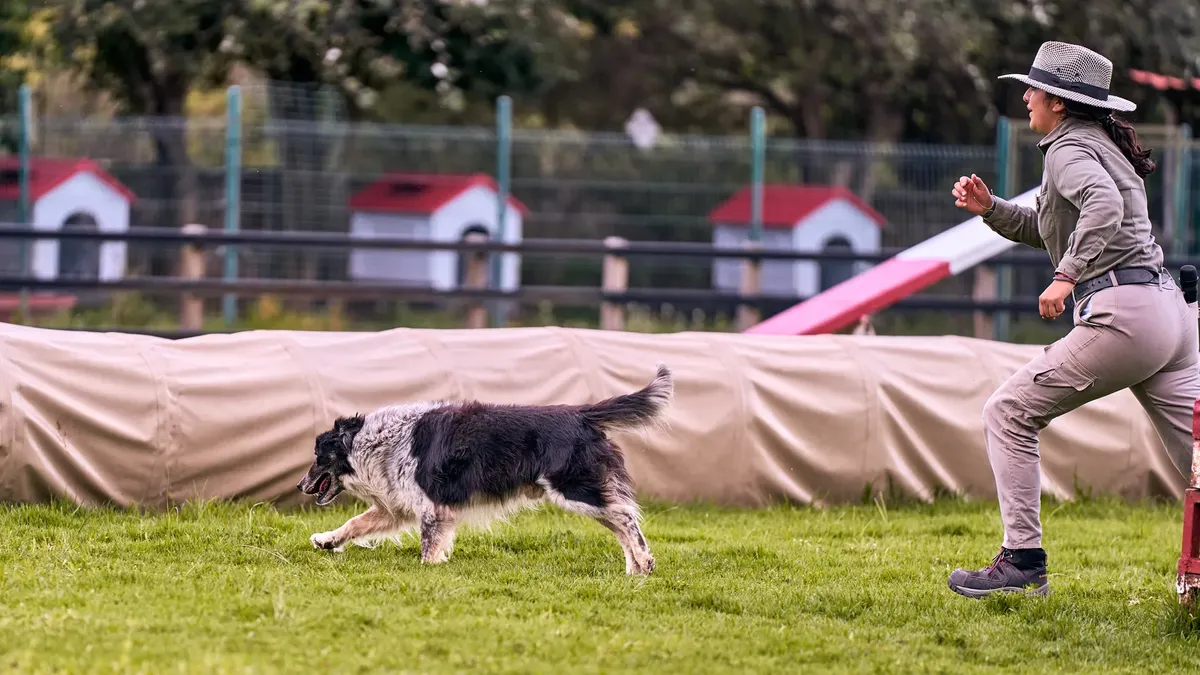
I once practiced these commands in a quiet backyard, noticing how much more responsive the dog became with subtle, positive cues.
What are the key puppy training principles?
A hand holds a small treat, presenting it to a pup waiting patiently during a training session. Puppy training principles should always prioritize the animal's mental well-being and physical safety to prevent long-term behavioral issues.
The core of puppy training principles involves repetition, timing, and consistency. By using positive reinforcement, owners can shape a puppy's behavior without causing fear or stress, which is essential for a healthy development.
- Establish a consistent routine for feeding and exercise to provide structure. 2. Use small, high-value rewards to reinforce successful repetitions of a command. 3. Gradually increase the complexity of tasks as the puppy masters basic commands.
Always check that the environment is safe and the puppy is not overstimulated before starting a session.
Why is early dog socialization important?
A puppy explores a grassy field, sniffing a new object while staying close to its owner. Early dog socialization is the process of introducing a puppy to the world in a way that prevents fear-based responses later in life.
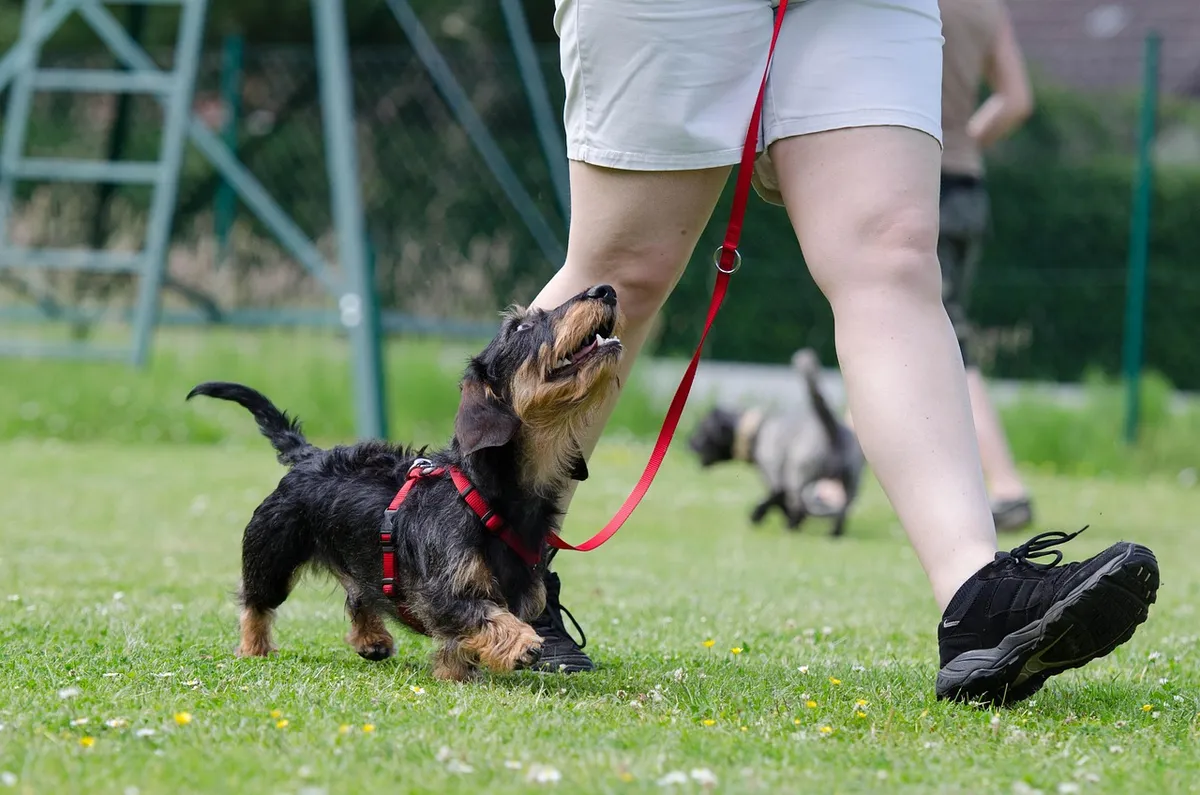
Early dog socialization guides owners through the critical window where a puppy is most receptive to new experiences. This period is vital for teaching the dog how to interpret sounds, sights, and the presence of other animals.
A limitation of socialization is that it must be done carefully to avoid overstimulation, which can lead to fear-based behaviors if the puppy is forced into overwhelming situations.
The same subject is also called Socialization for dogs.
This part also covers Best puppy training methods.
Best puppy training methods
Related
- Why Prevent dog abandonment needs constant supervision
- Bully height standards guide Breed specific pet laws
How does positive reinforcement support behavioral change? Positive reinforcement training strengthens desired behaviors by immediately following them with a rewarding stimulus. This technique helps the dog associate specific actions with a positive outcome, encouraging repetition. The consistent application of positive reinforcement shapes the puppy's response to various environmental cues.
This approach allows owners to guide the dog's development without resorting to punitive measures. When owners reward appropriate actions, they are actively teaching the dog what is expected in different situations. This method builds a foundation of trust alongside the behavioral modification.
What are the conditions for successful training implementation? Successful training requires that the environment remains safe throughout every session. Furthermore, the handler must maintain a consistent routine for both feeding and exercise to provide necessary structure. Overstimulation of the puppy must be avoided during any training engagement to prevent adverse reactions.
Personalized coaching offers a comparison to traditional methods by tailoring the training to the individual pet's temperament. This individualized attention ensures that the specific needs of the dog are met during the learning process.
The commitment to gentle guidance is a necessary condition for building foundational skills.
Wikipedia: Dog Whisperer with Cesar Millan Based on the retained excerpt mentioning Association (AHA) requested that the National: Also in 2006, the American Humane Association (AHA) requested that the National Geographic Channel stop airing the program, saying that training tactics shown on Dog Whisperer were inhumane, outdated and improper.






Comments 0